Thank you for being a part of our projects!
2024 Strengthening connections and returning materials to rural communities
Indigenous languages deserve the same deep listening and careful attention as any language on Earth and yet their speakers are often ignored – that’s why we have spent the past twenty-five years paying careful attention to the speech of children, youth, adults and elders in South Bolivia and its close neighbor in Southern Peru. Following the lead of our Andean partners in cities and countryside, we’ve been guided by the principles they teach us, including ayni (reciprocal labor) and pachakuti (cyclical redistribution of power). Our projects fill critical gaps in the areas of language documentation and study, sponsored scholarship, materials development and opportunities for reciprocal learning. We hope that as you explore our website you’ll find time for a look at each of our menu options and detect the common thread: returning power and agency to those who experience pressure against the ways they speak, identify, relate and interact in this pacha (space-time) we share.
A key activity of our team this summer was to return to remote highlands communities where we’ve conducted interviews before. We brought speakers’ own words back to them in the form of printed riddles and reflections for home and school use. Here are videos of formal and spontaneous expressions of gratitude by children:
For more information about our activities this summer, please refer to our field blog.
2022 CoLang Institute
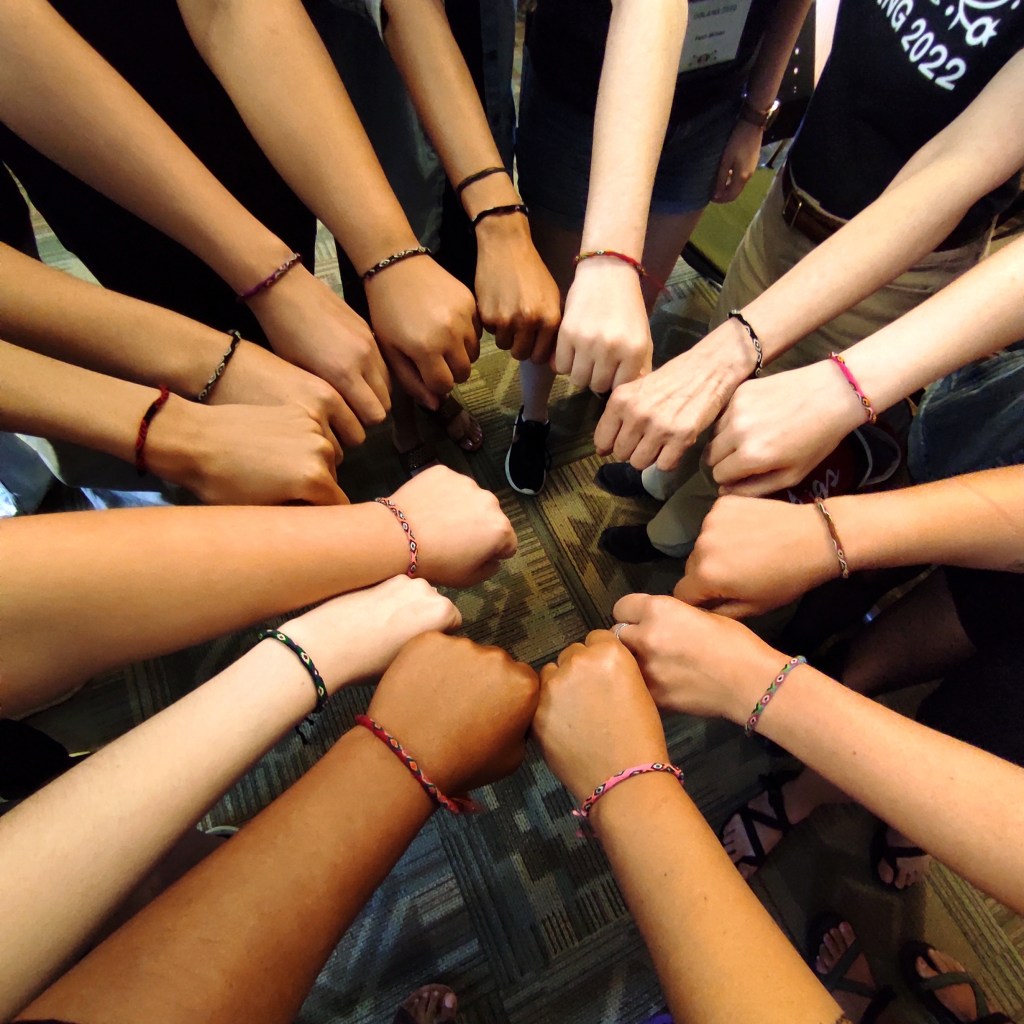
Dr. Susan Kalt and Yachay Simi sponsored scholars Gaby Vargas Melgarejo and Carlos Flores Quispe led a seminar on South Bolivian Quechua at the Collaborative Language Research Institute, (CoLang 2022)
2021 Rural partnerships (click for more info)

2023 Read Carlos Flores Quispe’s new article about his family’s weaving practice!
2021
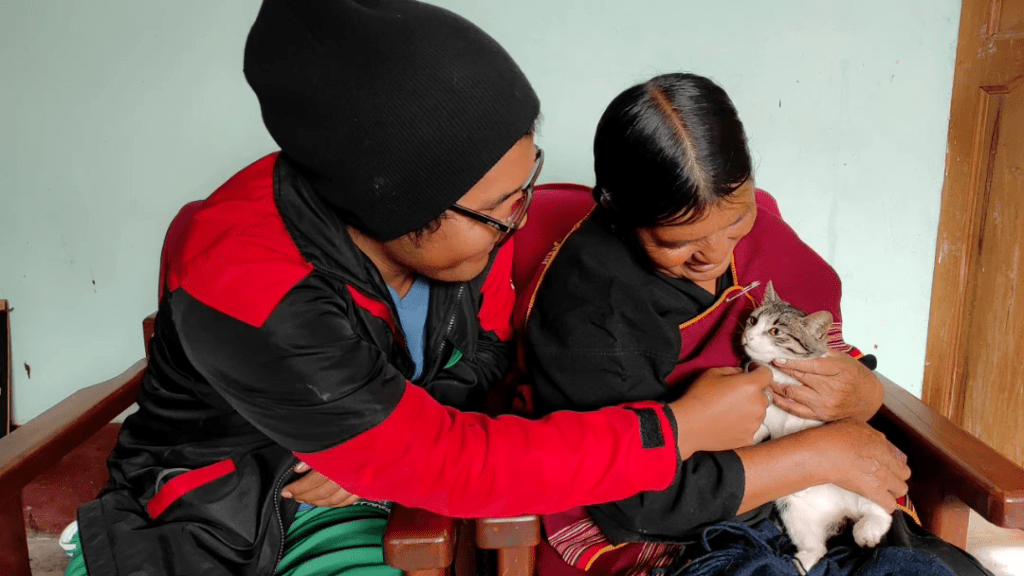
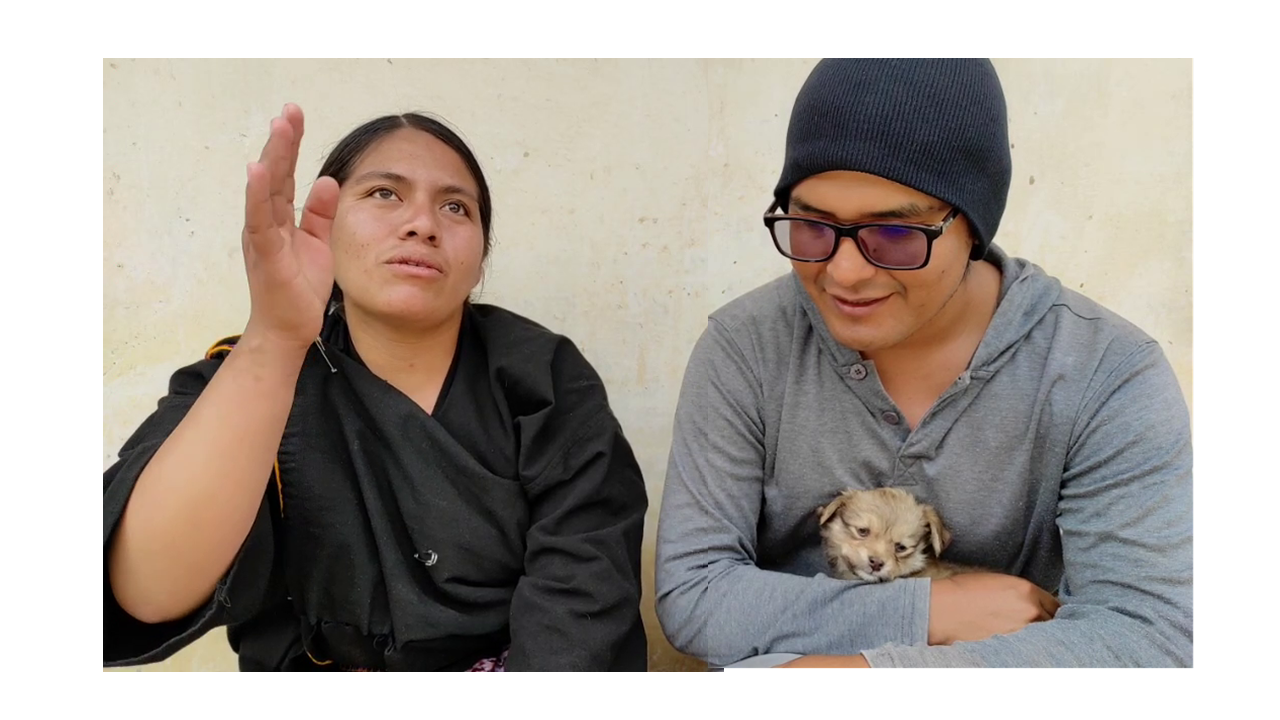
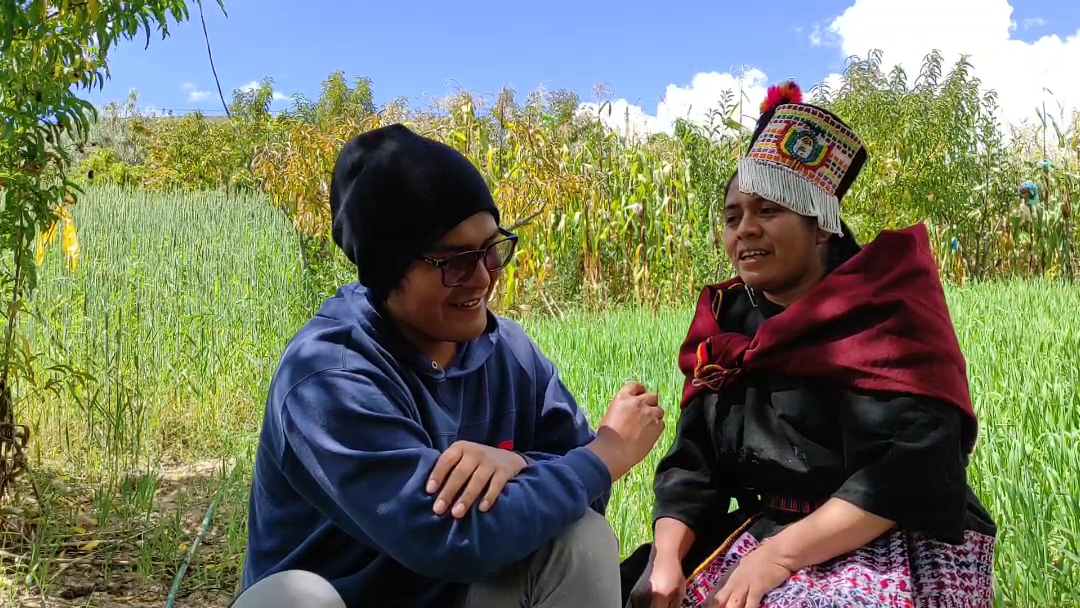
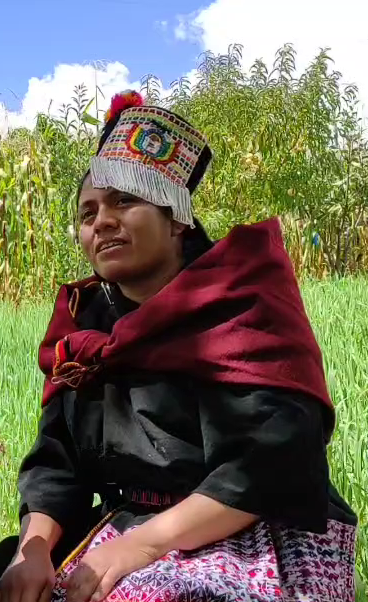
We’re collecting new animal stories in rural Chuquisaca!
2019 – 2020
Our project team worked intensively to verify transcriptions and translations and create glosses of the corpora gathered in 2016 and 2018. Competent leadership in this effort came from Jon Geary, who has been studying Linguistics at the University of Arizona since graduating from Boston College. Expert work on the glosses came from Quechua speaker Gaby Vargas Melgarejo, who defended her Master’s Thesis in Sociolinguistics at the ProEIB Andes, Universidad Mayor de San Simon in Cochabamba, Bolivia, and from Carlos Flores Quispe, from Candelaria, Bolivia, a talented and accomplished first language speaker of the variety we have been documenting there. Media editing was provided by phonetician Stephanie Antetomaso, who has been studying both Bolivian and Ecuadorian Quechua/kichwa at the Ohio State University.
It’s such an honor to do this work together and to learn from each other.
In the Fall, Peruvian linguist Liliana Sanchez and I hosted a US tour with three Quechua language activists and educators from Peru and Bolivia. They gave panel presentations at the International Year of the Indigenous Languages conference in Fort Wayne Indiana, at Boston University, Roxbury Community College and Rutgers University.
MARCH 2019 – Interviews go live at AILLA!
I’m thrilled to announce that the adult interviews from our Quechua storytelling collection have gone live at the AILLA (Archive of the Indigenous Languages of Latin America) and can be streamed from anywhere in the world. Best of all, these videos will be preserved for future generations, unlike those posted on social media. They are published with information on how they were created, and under a Creative Commons license, they remain the intellectual property of the interviewees and not just those who recorded them and participated in transcription/translation. Here they are…
Please note that in the case of children, community members agreed that all interviews should remain protected from public view until they turn 18.
2018 NEWSFLASH – Return to Tarabuco!
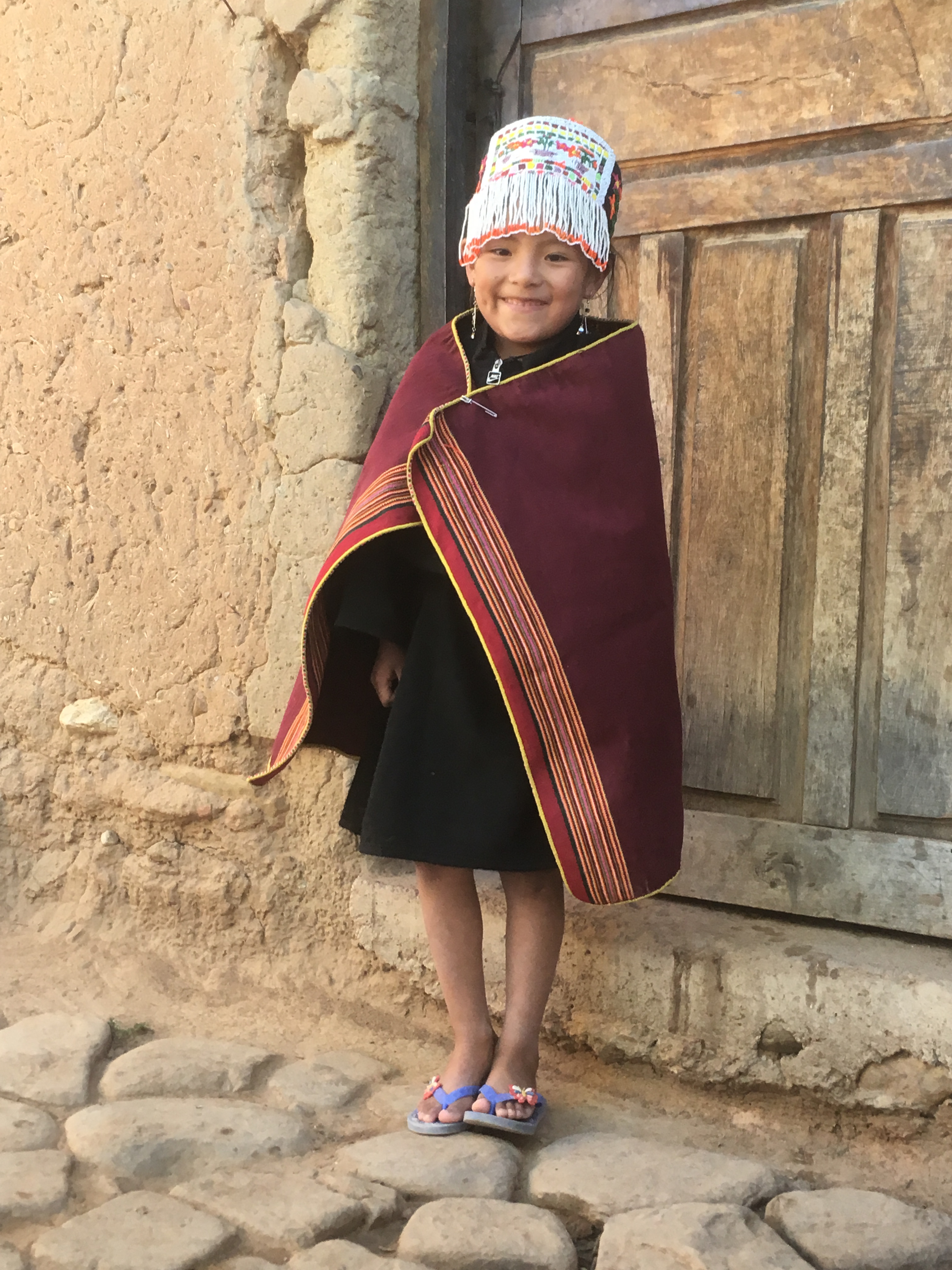
Tahirih Sharaf Challhua Limachi poses in traditional dress before participating in a storytelling interview to record the speech of children from rural Chuquisaca, Bolivia. Chuquisaca is known for some of the finest and most well-preserved weaving techniques in the former Inca empire. Imagine our surprise to discover that Tahirih’s first two names mean “pure honor” in Persian – a language you might not expect to hear in a remote South American farming community. Over half of this Quechua speaking community has embraced the Bahá’í faith, and several people explained that they were attracted to its teachings celebrating unity in diversity, supporting the mother tongue and native culture. Tahirih and her mother gave us permission to post this photo on our website and at the Archive of the Indigenous Languages of Latin America, where we will start adding over sixty new storytelling videos later this year.
Even as we were excited to meet children who speak Quechua at home, we were dismayed to discover that more and more of their parents are opting to speak Spanish to them rather than Quechua. Many families have already migrated to towns and cities where they hope for access to a better education (and to desperately needed water.) Our hope for a better future goes with these families, but we regret the difficult choice they’re forced to make, sacrificing the language that forms a part of their identity. As more and more families make this choice, the language itself will be harder to recover. “UNESCO’s Language Vitality and Endangerment framework … establishes six degrees of vitality/endangerment based on nine factors. Of these factors, the most salient is that of intergenerational transmission.”
This is one reason we find it so important to record people of all ages as they speak Quechua today. We’re truly creating a time capsule for tomorrow, in addition to giving Quechua speech a place in today’s international research on child language.
2016 NEWSFLASH – Pachi, añaychakuykim! (thanks)
Residents of communities around Tarabuco, Bolivia, tell stories in their native language to assist with the creation of a grammar and curriculum materials in their language.
 Yachay Simi (Wise Language)
Looking forward to following you !
Thanks Sue love
Hi Susan,
The film I mentioned is “El Abrazo de la Serpiente, The Embrace of the Serpent”. Rottentomatoes.com gives it 99%. It will be coming out on DVD on amazon 6/6/16, but it’s expensive. It may be better to wait until it comes around in art houses again. Best, Bruce
Pachi, a….Gracias por la invitación a seguirte y con deseos de escucharte cuando estés de regreso! Muchísimos abrazos y cuídate, Tania
MALTIOSH NAN SUE . . . . Muy Hermoso Trabajo, Full of Love . . . .
Querida Rosalba: Thank You: Tlazocamati (tlah-so-cah-mah-tee)!