Monthly Archives: March 2026

Book Launch: Jatun Yampara

It’s time for an update, and where to start? How about the launch of our first trilingual book to be published by a university press in Bolivia. The event takes place in all three languages.
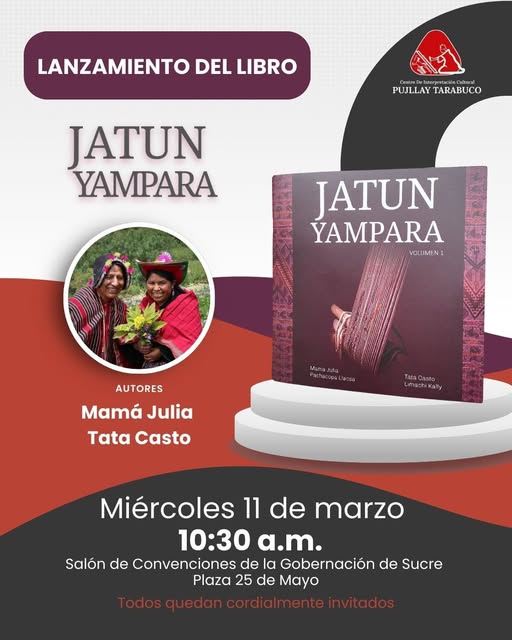
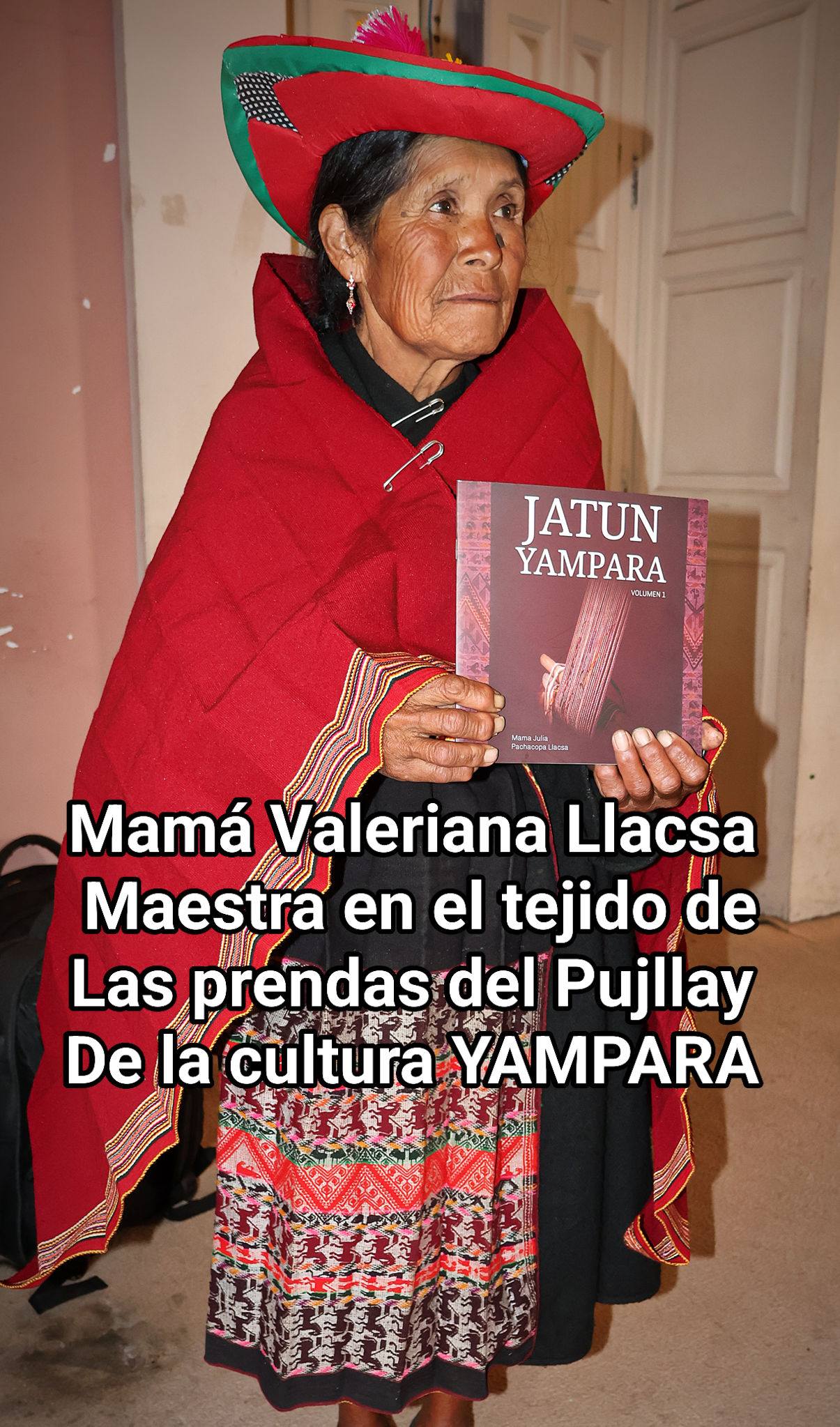
Imagine a couple from the Yampara ethnic group who arrive at the former presidential palace in Sucre, Bolivia. They’ve arranged to hold a press conference here, to take place in the morning so that some family members can be back home in time to graze the sheep. They’ve persuaded even their shyest elders to attend, because today they’re announcing the publication of their first book, written in Quechua, Spanish and English, and it is dedicated to their parents.
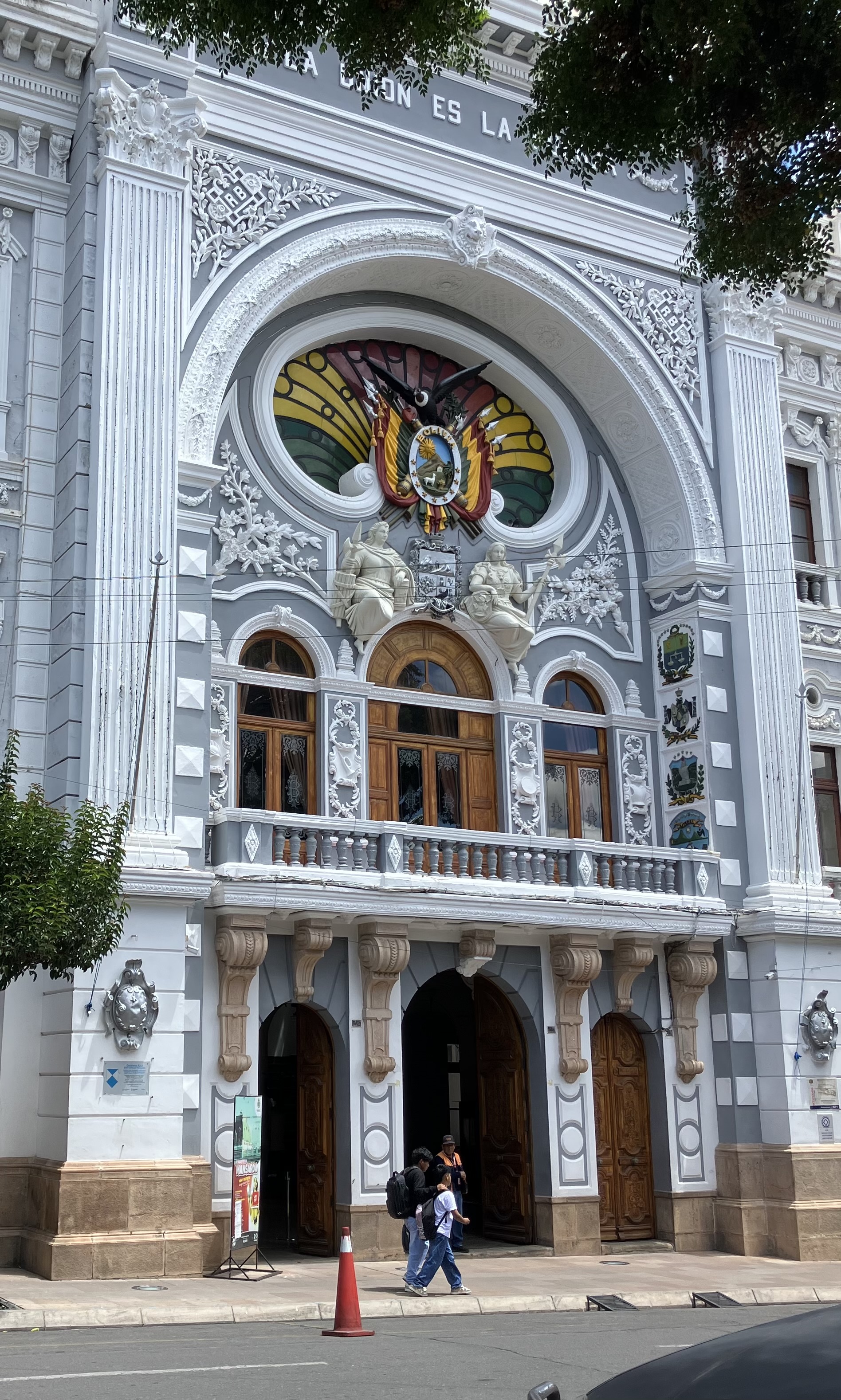
Casa de la Gobernación, Sucre, Bolivia

The palace is intimidating, but not to these intrepid authors.

Wearing their finest homespun clothing (a punishable offense when they were children in gradeschool) Tata Casto and Mama Julia walk with their elders and adult children over the dizzying tilework and up the grand staircase.
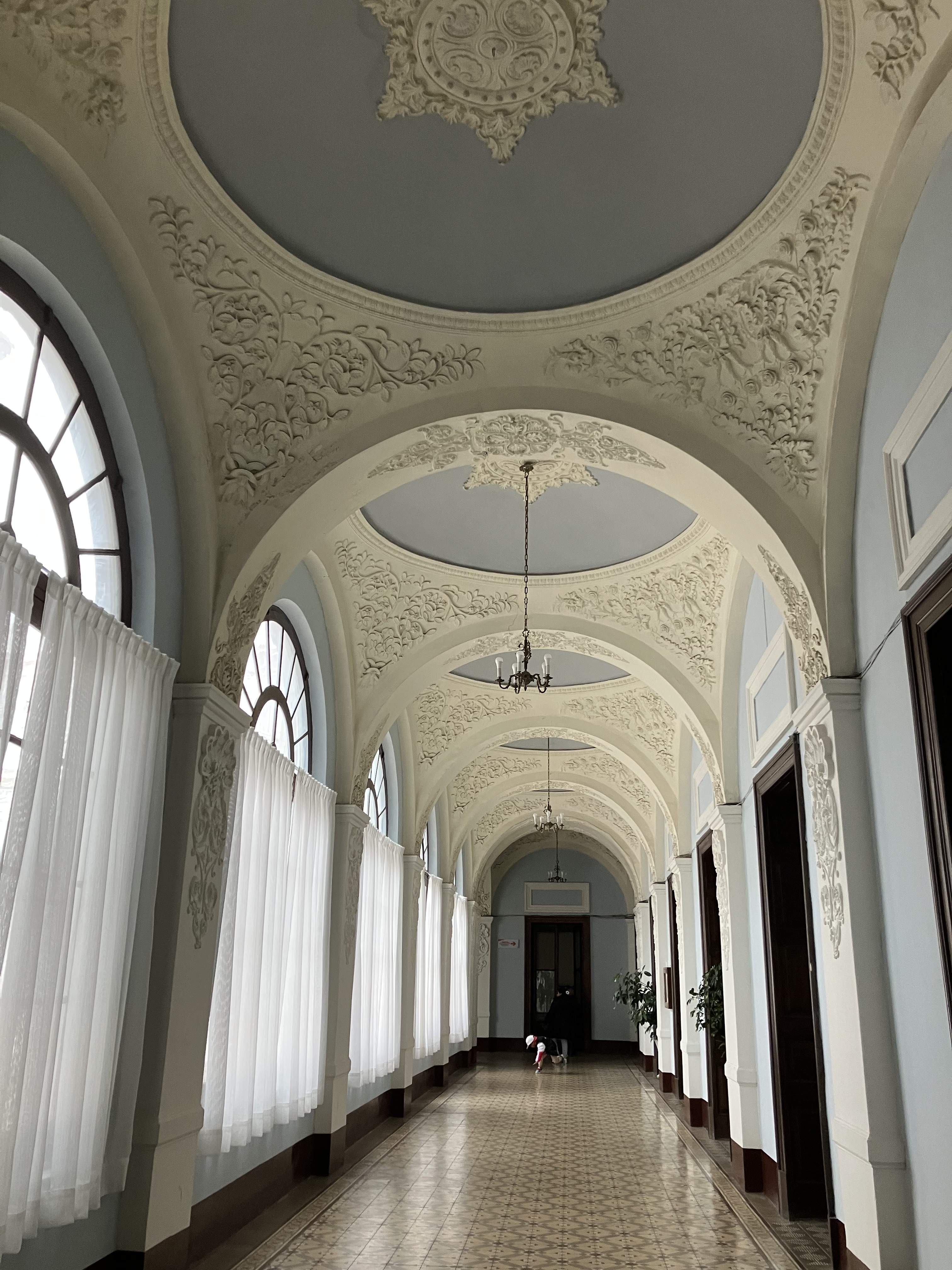
The largest salon is opened for them and a staff member spreads a tablecloth at the front of the room, which they immediately cover over with their traditional Yampara weavings.
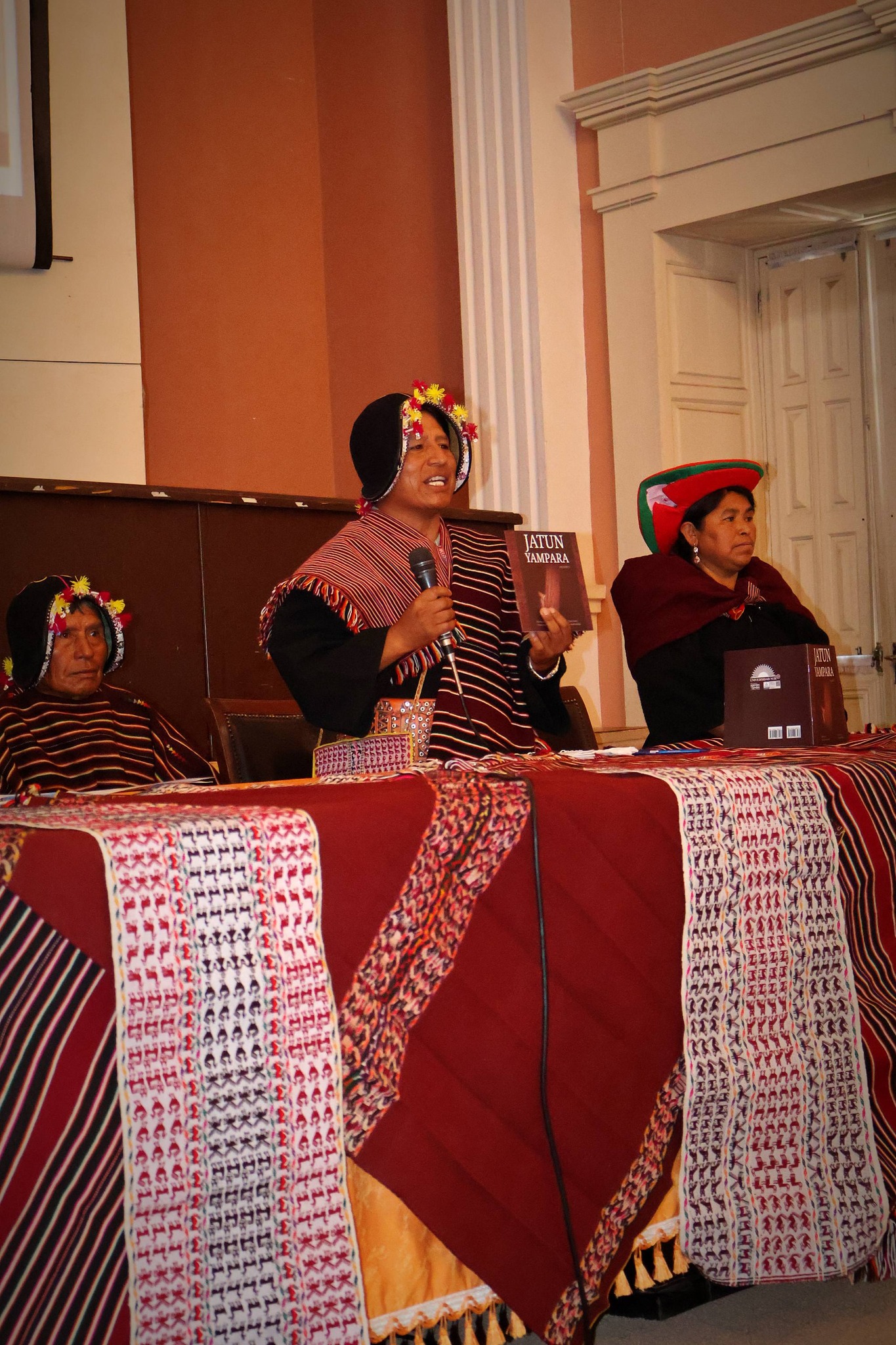
After all, this first book of theirs celebrates the ways that their parents taught them life lessons through their weavings, especially the q’inqu or zigzag with its traditional rainbow illumination down the center.

The room fills with members of the press, the State’s Commissioner of Culture, and with faculty and students from the local Universidad San Francisco Xavier.
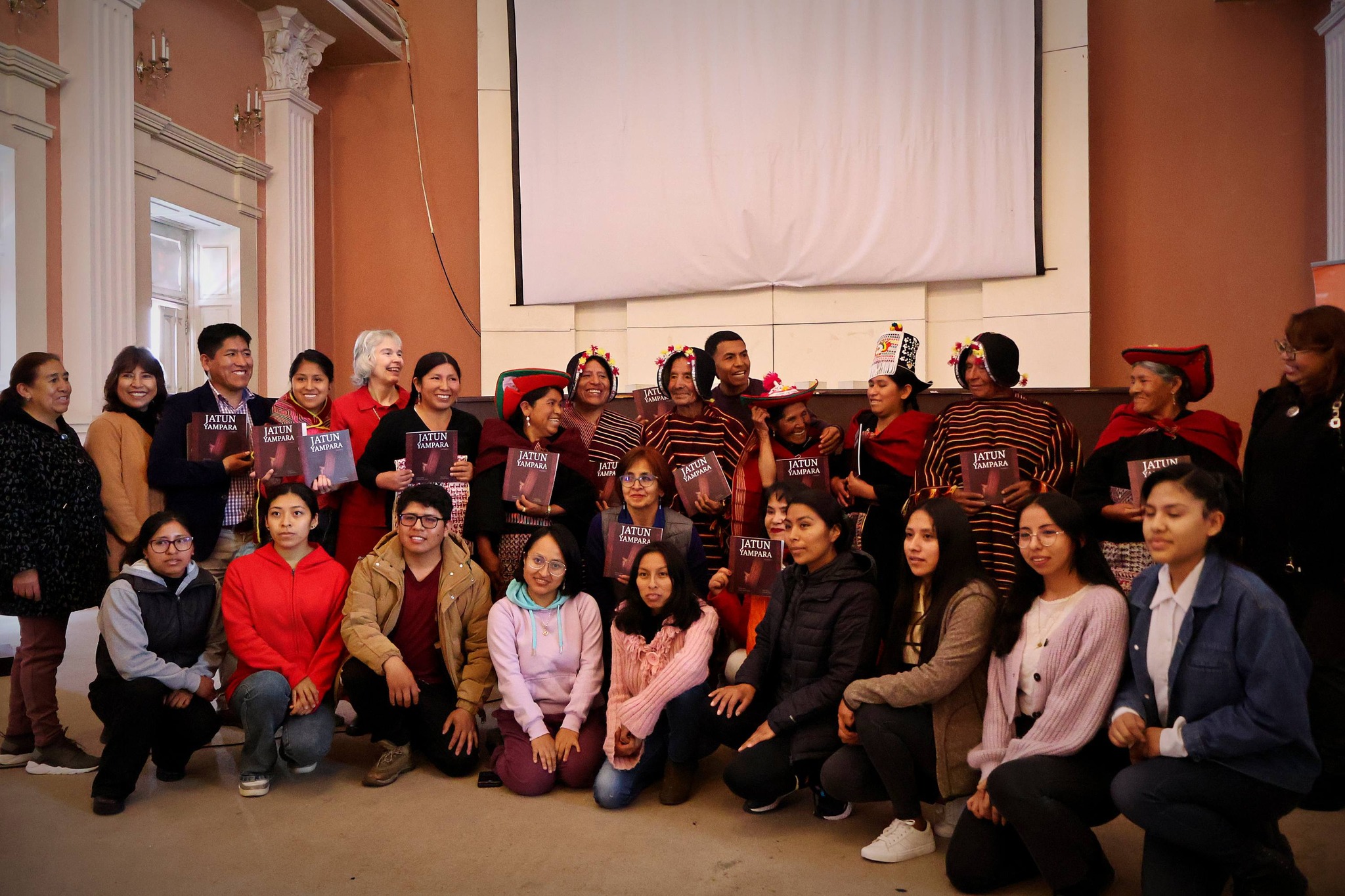
Tata Casto speaks with conviction and emotion: “In this book we relate just a little of what our parents have taught us. It’s about our own family life, our own community life, our life as persons in the natural world. It’s about how my father taught me important lessons while plowing this land and how my wife received an education through weaving with her mother. We haven’t conducted research in books, or on the internet – we have researched our own lives.”
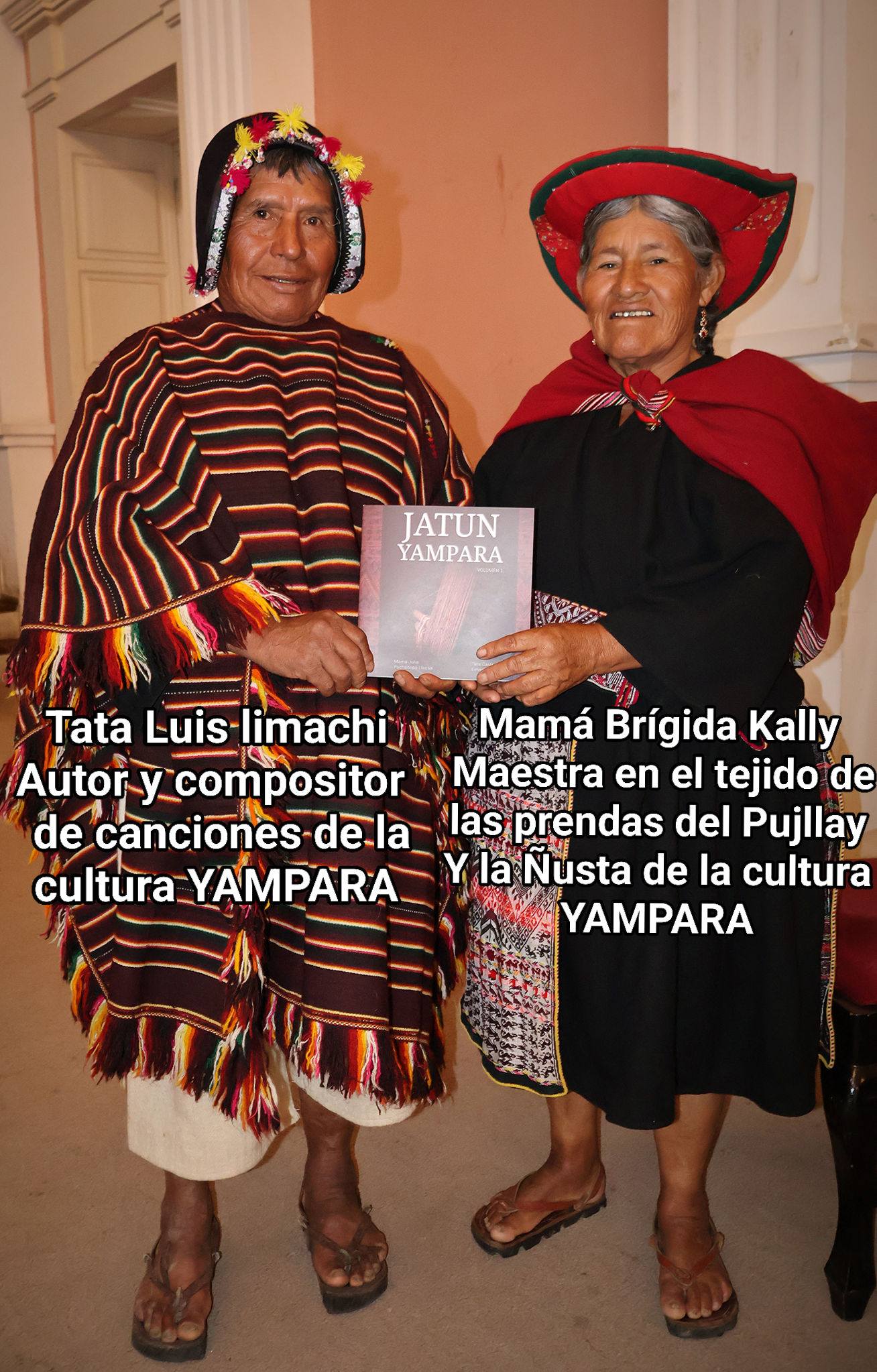
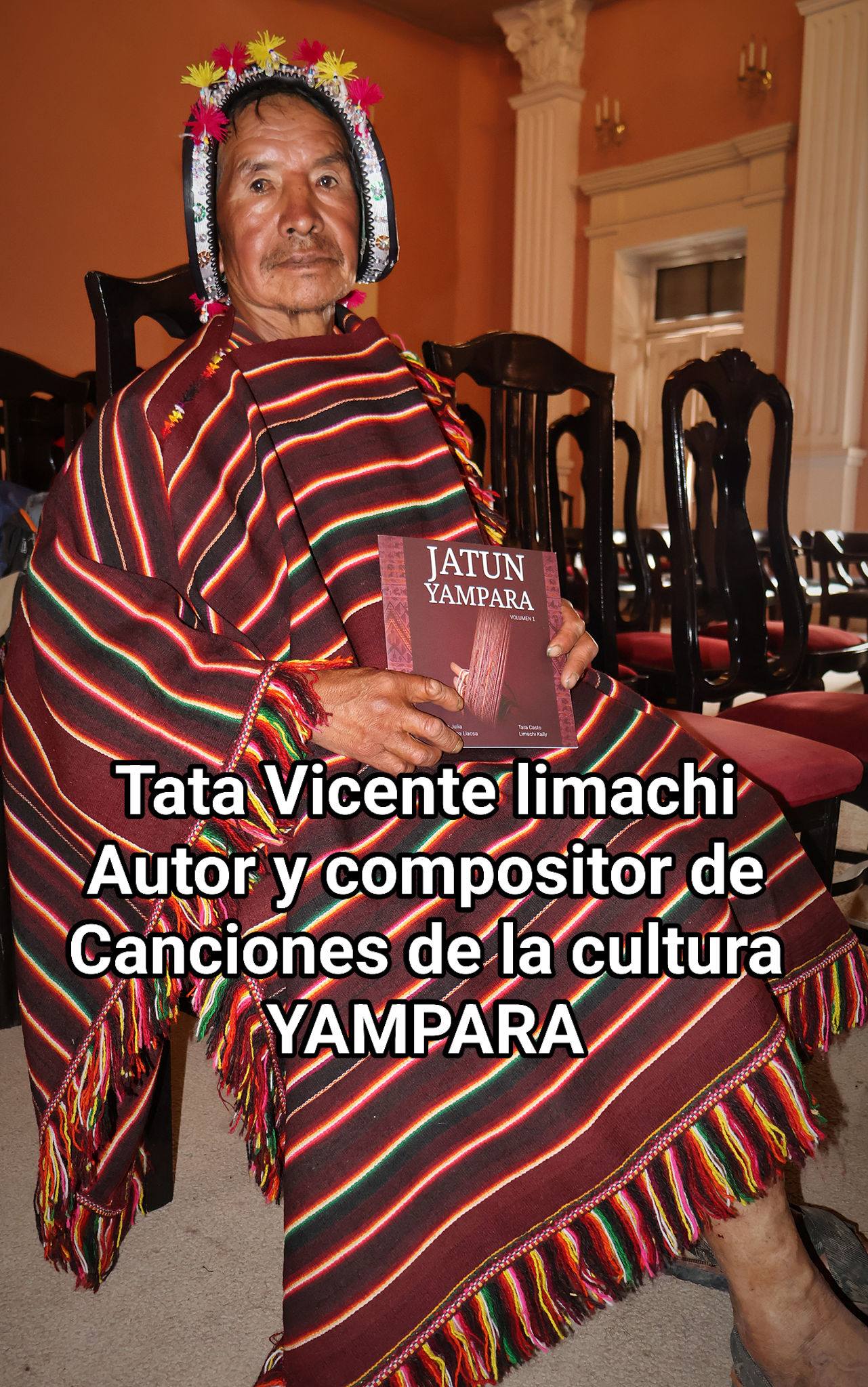
Tata Casto’s parents
Mama Julia’s parents

The manuscript, photography, design, editing and layout of this book was produced entirely through volunteer labor. Yachay Simi donors made it possible for the book’s graphic designer to travel from Peru to the launch to get to know the authors and their family in person. I’m proud to have coordinated an international, interdisciplinary team in tandem with Tata Casto and Mama Julia. Getting team members together in one space was a major achievement that will make future collaborations much easier. We’re already working on volume 2!
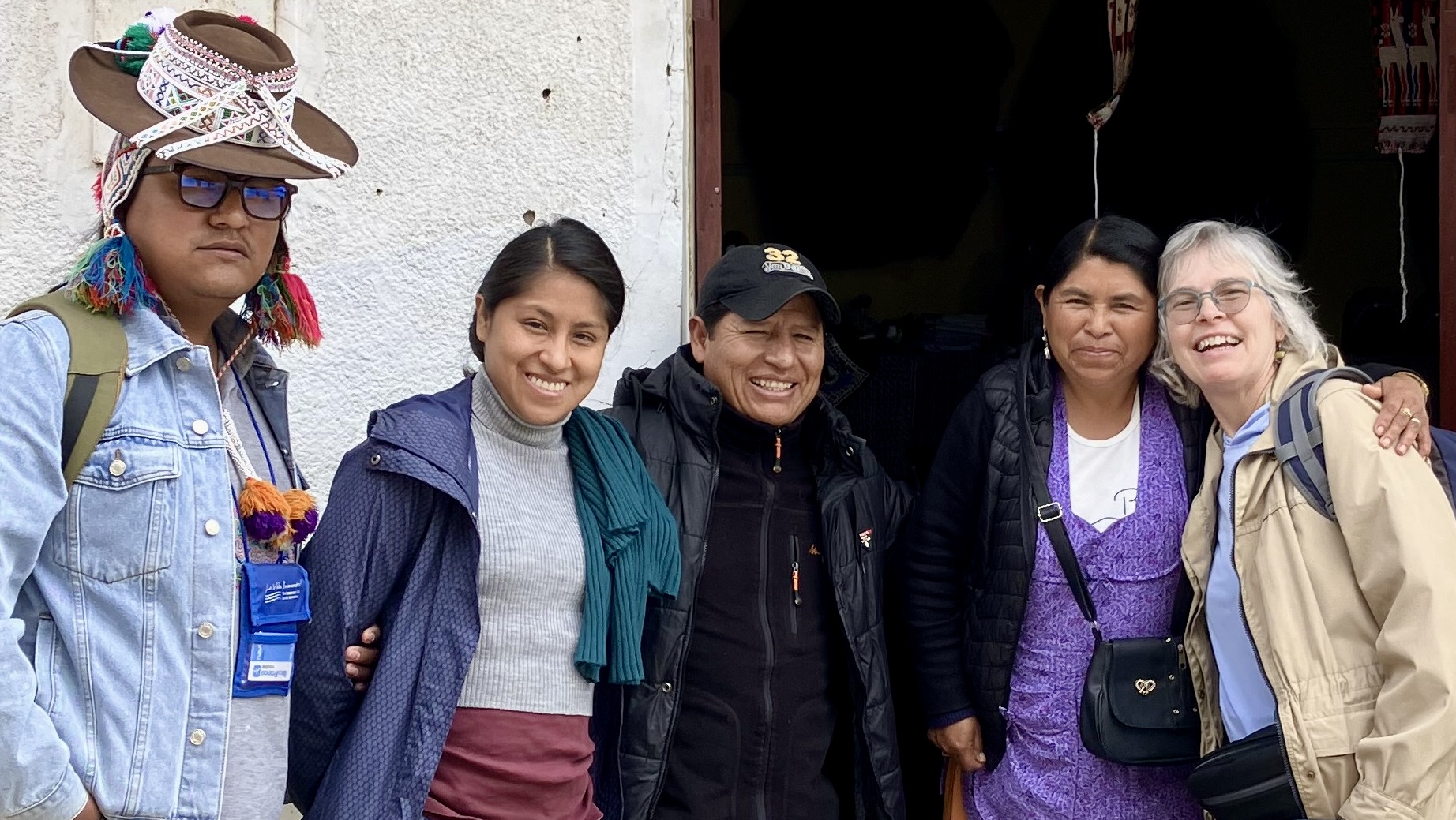
Team members meet in person before the book launch, Tarabuco, Bolivia

If you’d like to attend or host a talk about our work with Andean communities, please get in touch! Virtual readings and opportunities to purchase the book in person are also an option. All proceeds on the first twenty copies sold in the US will support needy children at the public school in Ayllu Puka Puka, while remaining proceeds will reimburse the authors. Contact me at yachaysimi@gmail.com

Thank you – gracias – PACHI!
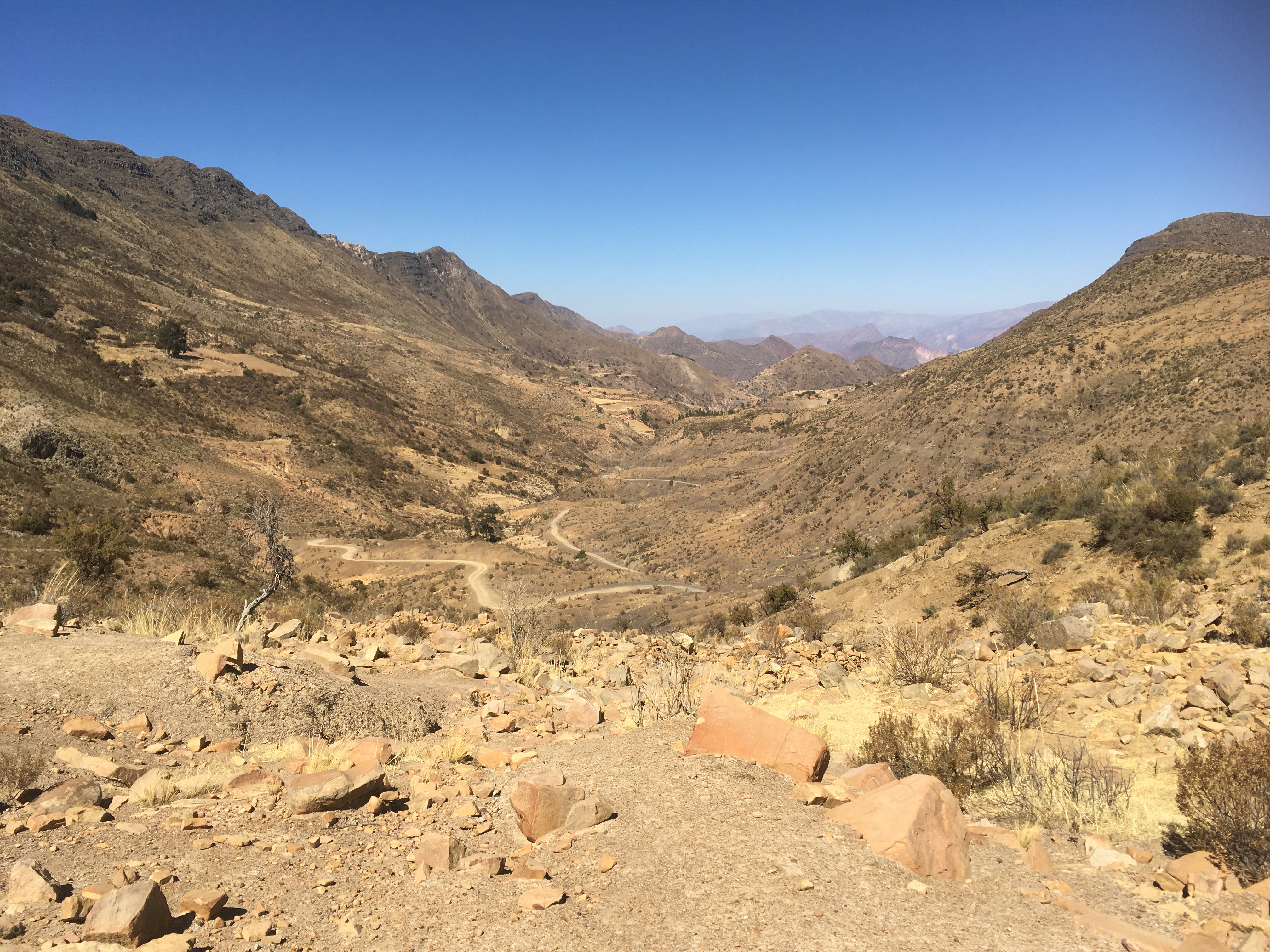
Pulling up roots from the heart

As I prepare to return to a world and worldview different from the one I currently call home, I find myself thinking about time itself. I’m reminded of the giant voice of Mercedes Sosa, singing a song by Warpe poet Armando Tejada Gómez: Hombre en eltiempo (roughly, Human Across Time)

Here are the words she sings with her beautiful Andean accent, and my translation:

Delante hay un camino, por él me voy – Ahead of me there’s a road, I’ll take it
Con la sombra adelante y atrás el sol – My shadow ahead; behind me, the sun.
Ando pisando el rastro del infinito – I wander, dragging my feet on the trail of the infinite
Polvo que pisa el polvo, la tierra soy – Dust dragging on dust, I am earth.

Hombre de todas partes, el hombre soy – Human from every place, I am human
Memoria americana de la canción – American memory of song
Y vaya donde vaya soy tierra que anda – and wherever I go, I am dirt that walks
Con la raíz afuera del corazón  – with roots pulled up from the heart.

Take a listen before I translate the rest! Click here

Here’s the rest of the song.

Anduve con la sangre todos los siglos – I walked in blood for all centuries
Hay sangre mía en toda la eternidad – My blood extends throughout eternity
Soy el tiempo que vuelve en cada niño – I am time that returns in every child
Y, desde la ternura, vuelve a cantar  And in tender years, comes back to sing.

Digo que me negaron el pan y el agua – I tell you they denied me bread and water
Digo que  un misterio de luna y sal – I tell you I know a mystery of moon and salt
Me conocen los ríos porque en el barro – The rivers know me because in the mud
He sido un alfarero de Libertad – I have been a potter of liberty

Cuando la vida vuelva, vendrá conmigo – When life returns, a continental uprising 
Un tumulto de pueblo continental – Of people will come with me
Espérame en la fuerza de lo que crece – Wait for me in the strength of what is growing
De la tierra hacia el aire, del aire al pan – From earth to sky, from sky to bread.

———

Another song was ringing in my head before I left on this journey – a sobering and brave one that acknowledges the effects of time, age, reason and fear on us all. That one, called Años (Years), was written by Cuban poet Pablo Milanés and is also interpreted beautifully by Mercedes Sosa.

But to undertake a journey from Massachusetts to Chuquisaca and back, I need the energy of the first song, and so I’ll take both with me.

Here’s the second song, “Años” (Years) with my rough translation, and a live track sung by Mercedes Sosa upon her return to Argentina from exile.

El tiempo pasa  Time goes by
Nos vamos poniendo viejos – We get old
El amor no lo reflejo como ayer – I don’t reflect love like I did yesterday

En cada conversación – In every conversation
Cada beso, cada abrazo – Every kiss, every embrace
Se impone siempre un pedazo – A bit of reason always creeps in.
De razón…

It takes courage at any age to recognize the effects of time on our passions. And yet many of us know how to rekindle passion and move forward with all that we’ve got in us today.

For Mercedes Sosa’s 1982 rendition, click here

Song credits:

Hombre en el tiempo from the album Hasta la Victoria, Philips label, Argentina. Lyrics by Armando Tejada Gómez, interpreted by Mercedes Sosa.

Años” from the album Mercedes Sosa en Argentina. Recorded live at the Teatro Opera in 1982, released in 2024 on the Philips label Argentina.