Author Archives: suekalt

On the hot seat

At the Universidad Mayor de San Francisco Xavier, Sucre, Bolivia

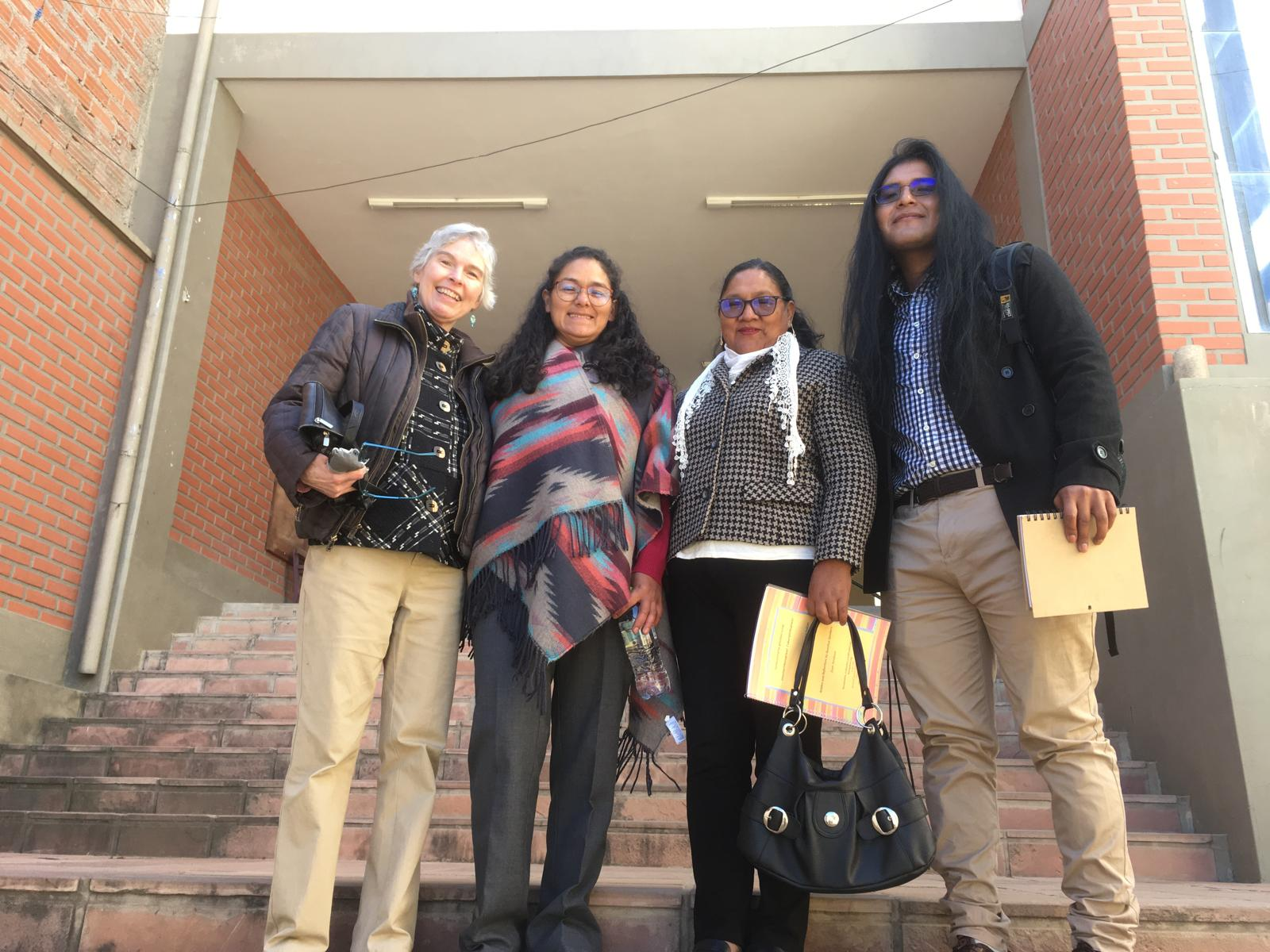
The Universidad Mayor de San Francisco Xavier, founded in 1624, is the nearest public university to residents of the small communities surrounding Tarabuco municipality. It is also Carlos Flores Quispe’s alma mater; he grew up in a farming and weaving community a few hours away. Carlos, María del Carmen Bolívar and I gave an invited talk at the University for students and faculty of the Language department on July 24.

Initially we feared we would have a small audience since it was the first day back from winter break. But the auditorium quickly filled up and there was standing room only. More than one hundred thirty students and a dozen professors of Quechua, English and French were in attendance.

Our presentation was based on the rural Andean experience of the cycle of cultivation and the fact that we are profoundly nurtured by what we cultivate – a relationship that is at once demanding and rewarding. We urged the audience to continue to care for their own indigenous languages, and we shared the various ways our diverse team has been doing so.

Students wanted to know in what ways learning or re-learning their ancestors’ Quechua language could possibly benefit them. Indifference and outright discrimination are the order of the day; everywhere we go, we hear of parents who opt for their children to speak only Spanish, and teachers who feel that teaching in and about the ancestral indigenous language is an unfair burden.

The three of us spoke from different perspectives about the advantages of knowing the language, rooted in ancient and current lifeways. Our responses must have been convincing, since professors reported that a number of students signed up to study Quechua after the talk.

Some of the elder Quechua experts objected to the way we had spelled certain transcriptions. Ah, the eternal debate over writing systems! It continually generates more heat than light. People get angry when they feel that a particular choice of spelling is an insult to their local dialect or to the integrity of their culture. They seemed satisfied, though, when we pointed out that all of our interview videos have been published online via a non-commercial indigenous language archive, and that anyone is free to produce a new transcription or analysis in the writing system of their choice.

Gratifying surprise

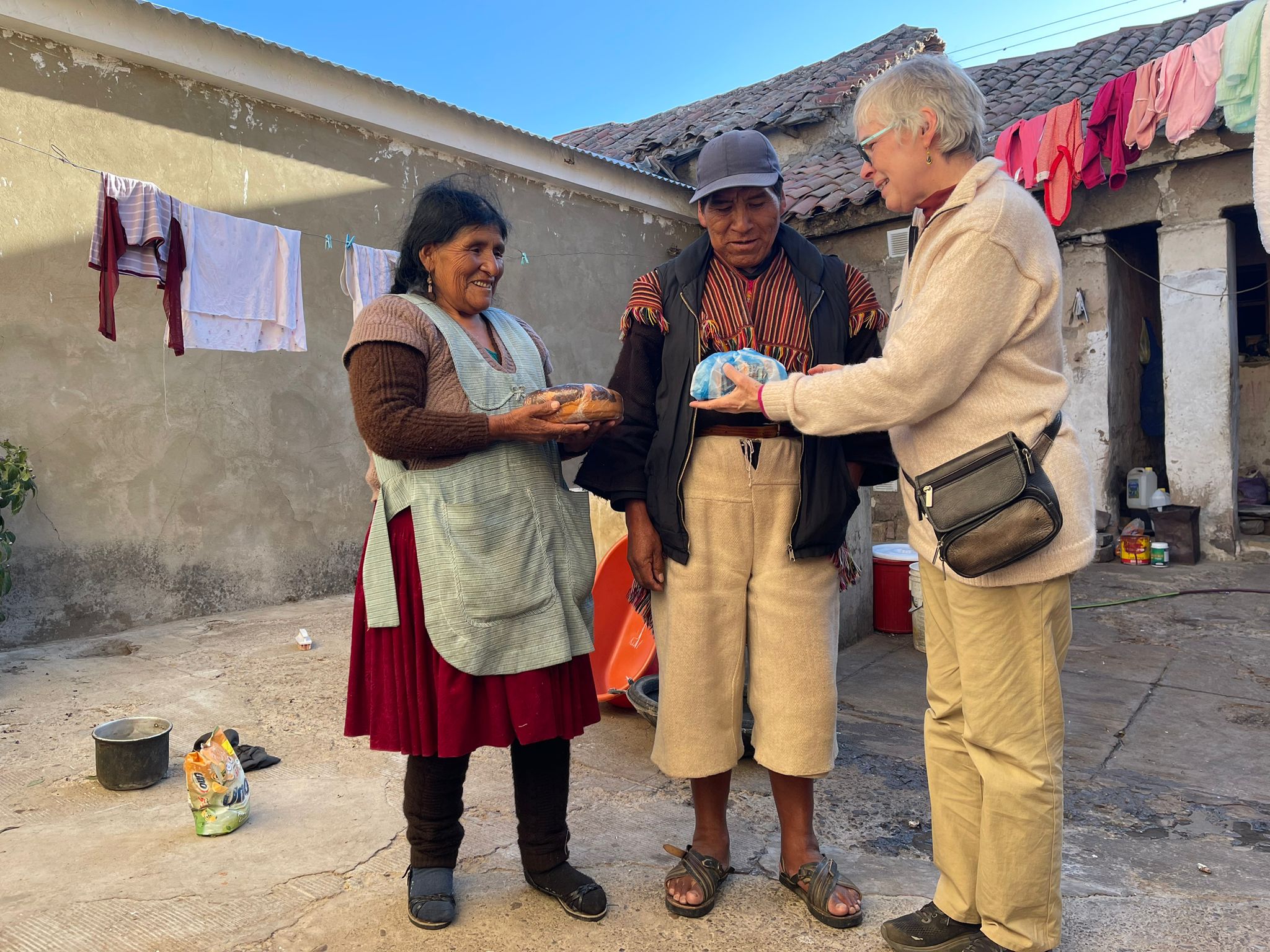
Mama Faustina, Tata Lorenzo Ilafaya accept our visit and agree to host a meeting
Meeting in Tarabuco with leaders from Jatun Churicana, hosted by Lorenzo’s family and assisted by Tata Casto Limachi from Nación Yampara

Once we got to the Tarabuco municipality in Bolivia, we tried to scheduled a single big meeting with leaders and school council members from three different communities. It was scheduled for Sunday – market day – on which most people bring their wares to a small town. We were advised that at the end of a Sunday we should be able to gather the majority of people in one place.

As it turned out, though, we ended up needing to meet with quite a few of the leaders and authorities in their own homes or community spaces – people’s lives were just too busy, community rivalries intense and we were a bit too unfamiliar to warrant a big meeting. Would you give up your Sunday afternoon plans for someone from out of town who had last visited you six, eight or even fifteen years ago?

Once together, there was only one leader who gave us the proverbial cold shoulder, coming to meet with us on the road below his house but declining to walk forward and extend a greeting. Still, we did walk all the way up to his house and his wife offered each of us a bowl of steaming grains and legumes for breakfast. One of his daughters looked eagerly at the booklet we brought; she and her brothers as well as their father were among the people we had recorded in 2016 and 18. She inquired about attending our talk at the university the following week.

Former interviewee finds her name in our booklet

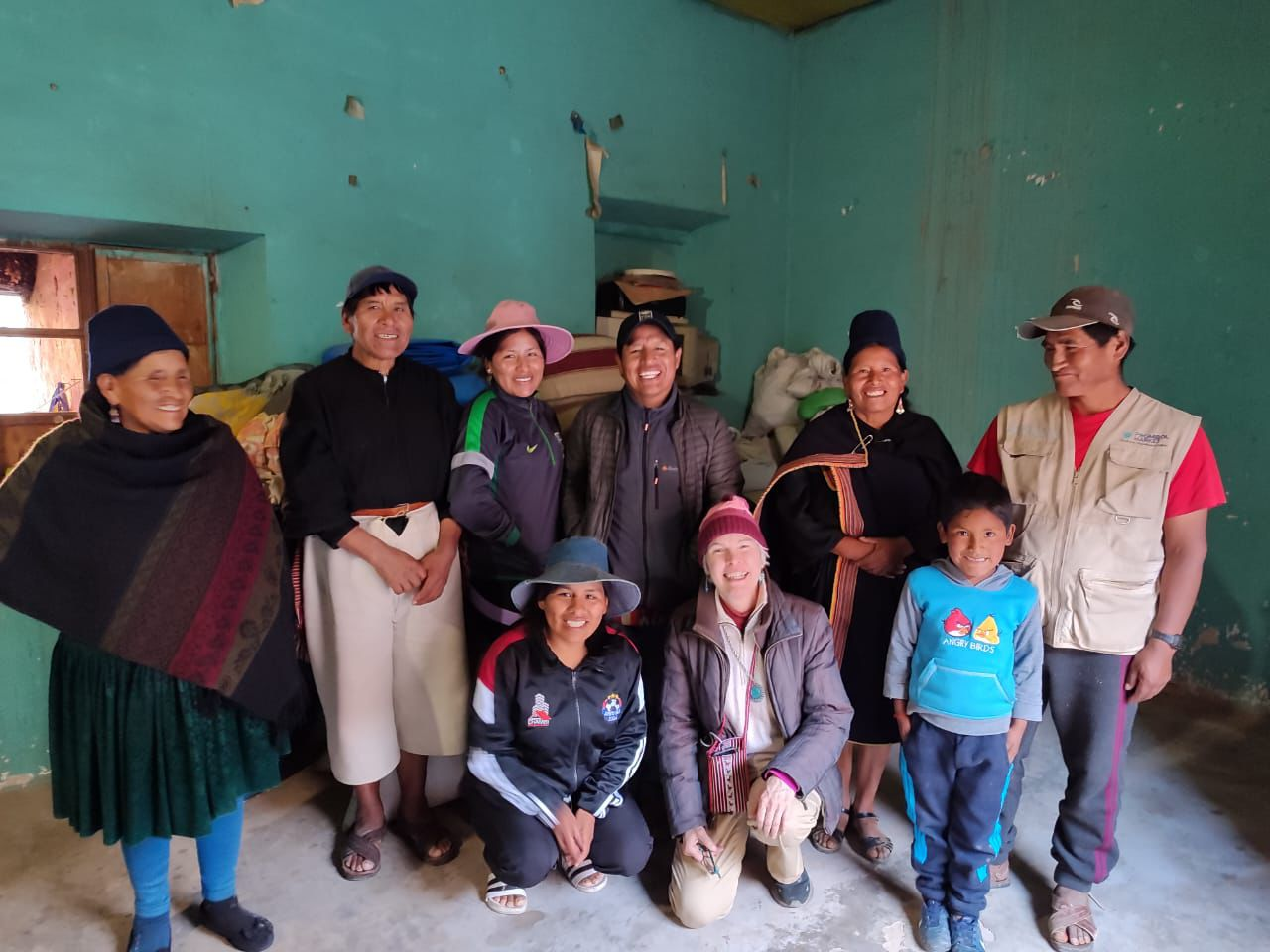
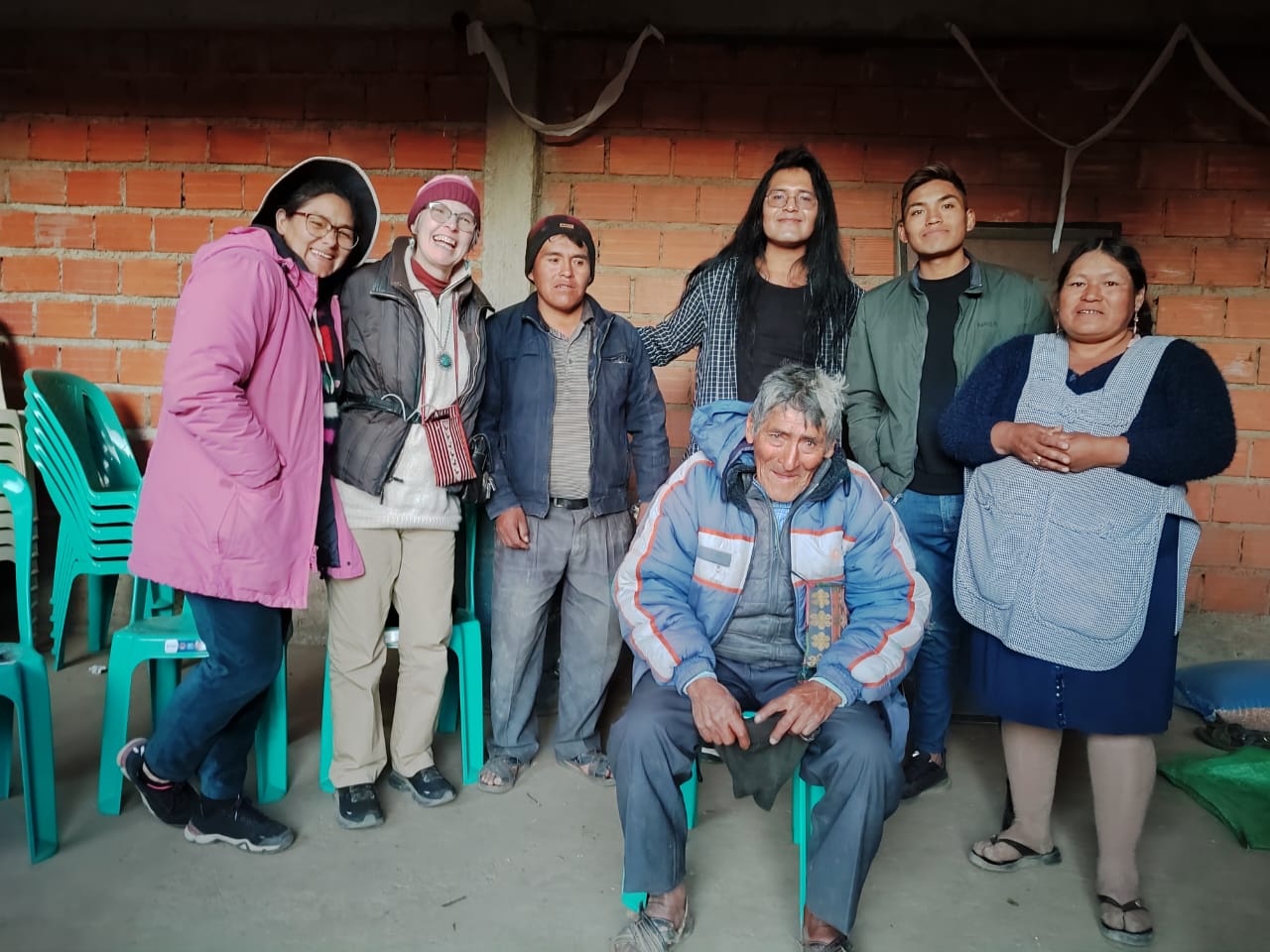
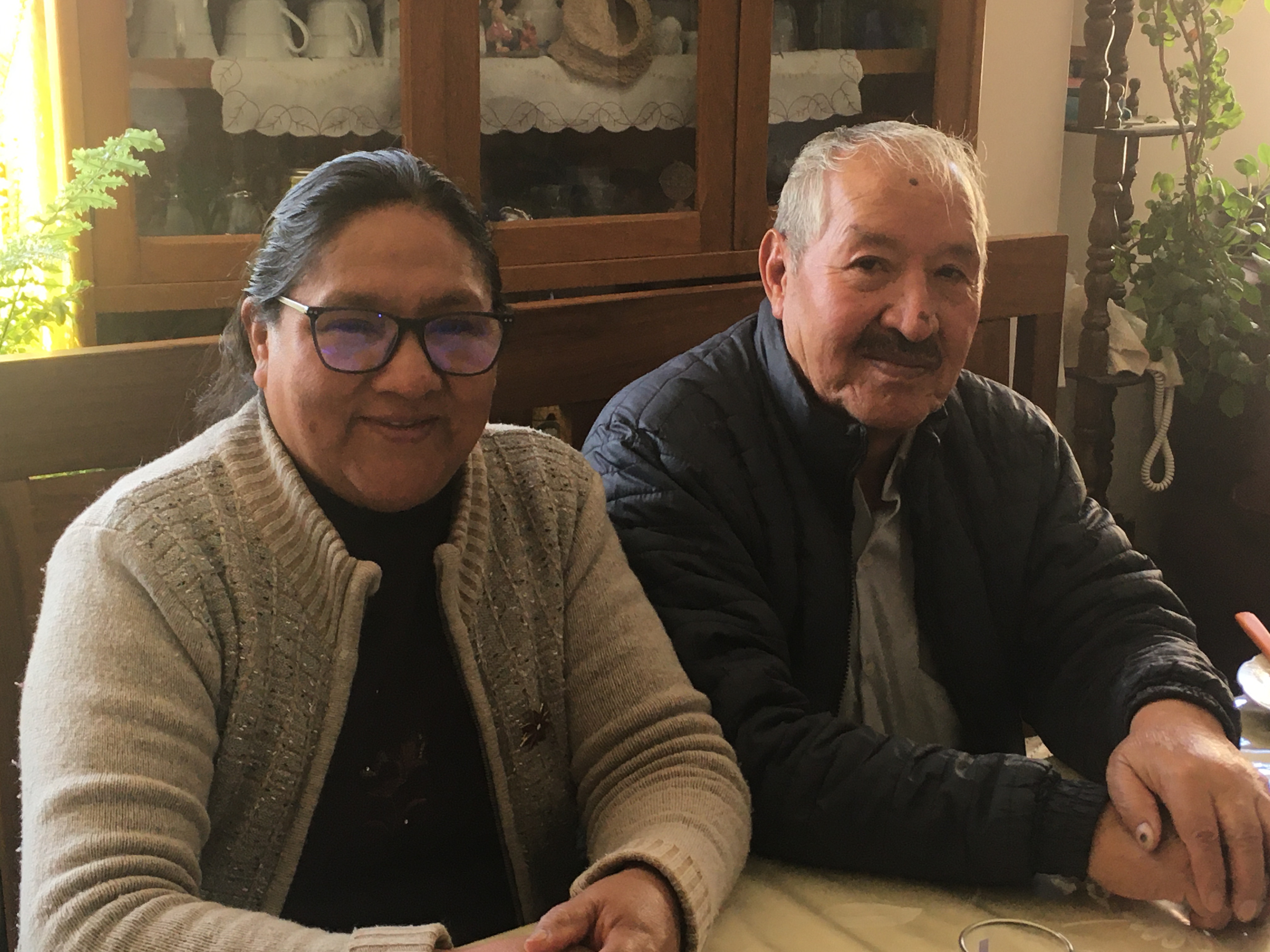
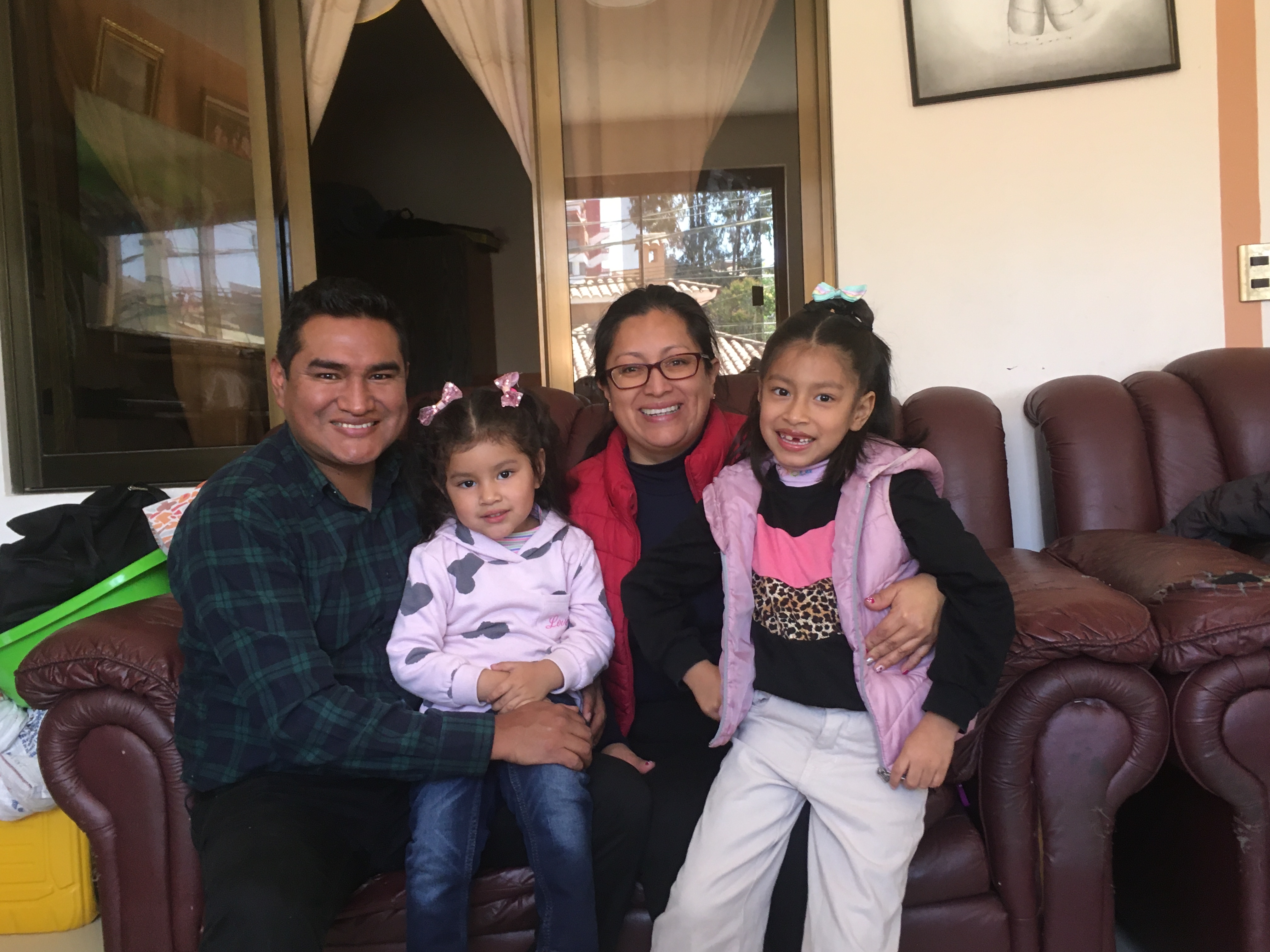
The most gratifying visit was to the home of a community leader whose interview I remembered for the long, humorous and philosophical monologue he had produced in response to one of our story books. In July we visited his house in twice, and it wasn’t till the second time that I realized that the older gentleman toasting grains over an open fire in his yard was his father and one of my other favorite interviewees! In fact we had selected excerpts from both of their interviews for the trilingual booklet. The visit had even more surprises; I realized we had also interviewed his wife without knowing they were all related.

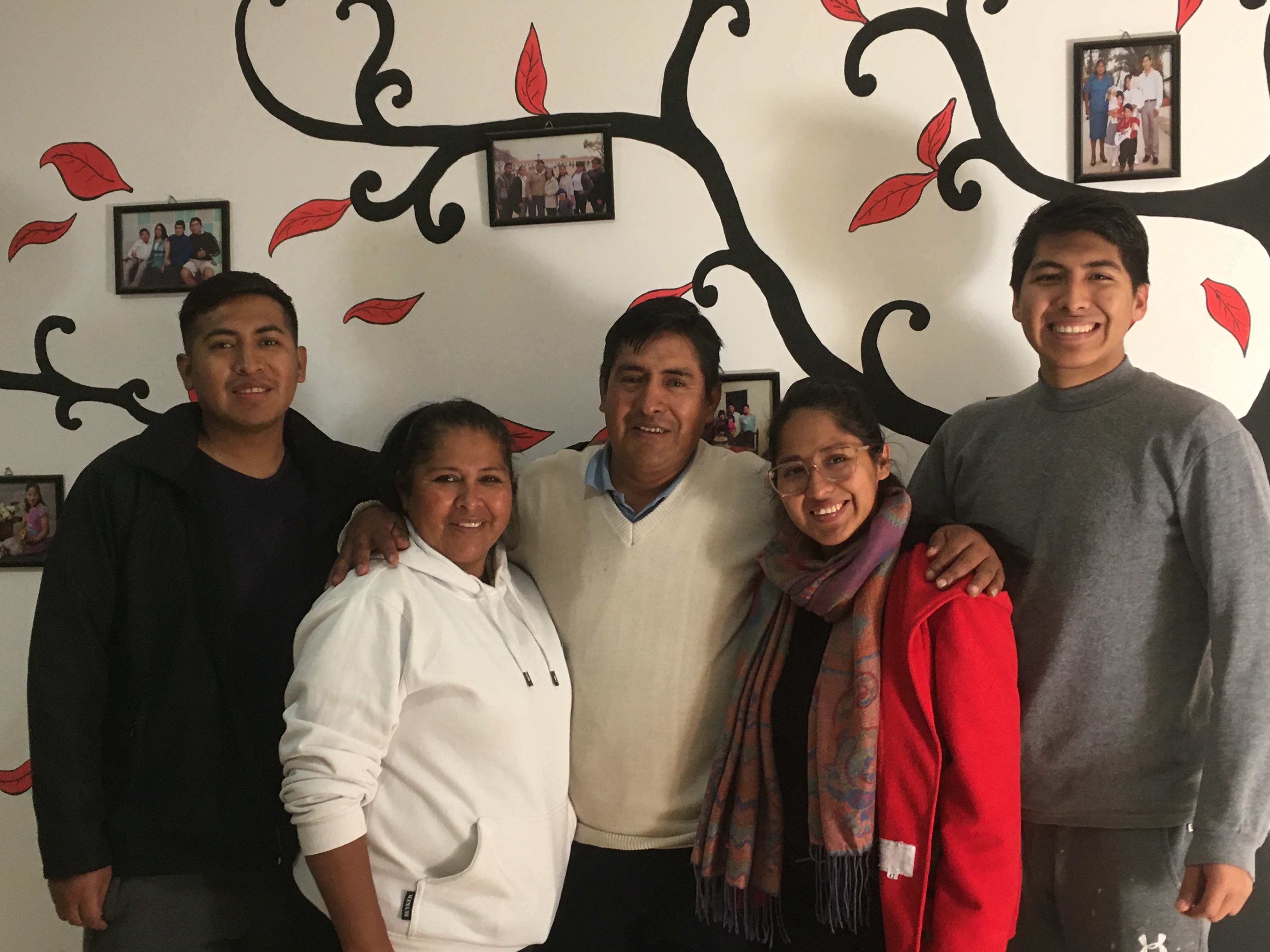
Three generations of Yachay Simi interviewees in one family! Reunited in 2024.

This farmer had two grown sons; one of them is a senior studying history at the university in the city of Sucre. The other brother is already a lawyer. Both young men were excited to hear that their interviews had been published – that their words and culture would be shared and mean something to others. They remembered with enthusiasm being recorded by us (2009) as children in the late Prof. Rene’s class. I had my own memories of Prof. Rene; he had welcomed me back two years later (2011) for a weeklong residency at the school and had allowed me to participate in a full day’s classroom activities. School residencies, up close and experiential, are the best way to figure out whether the materials you are producing are suitable for use in the contexts they are developed for.

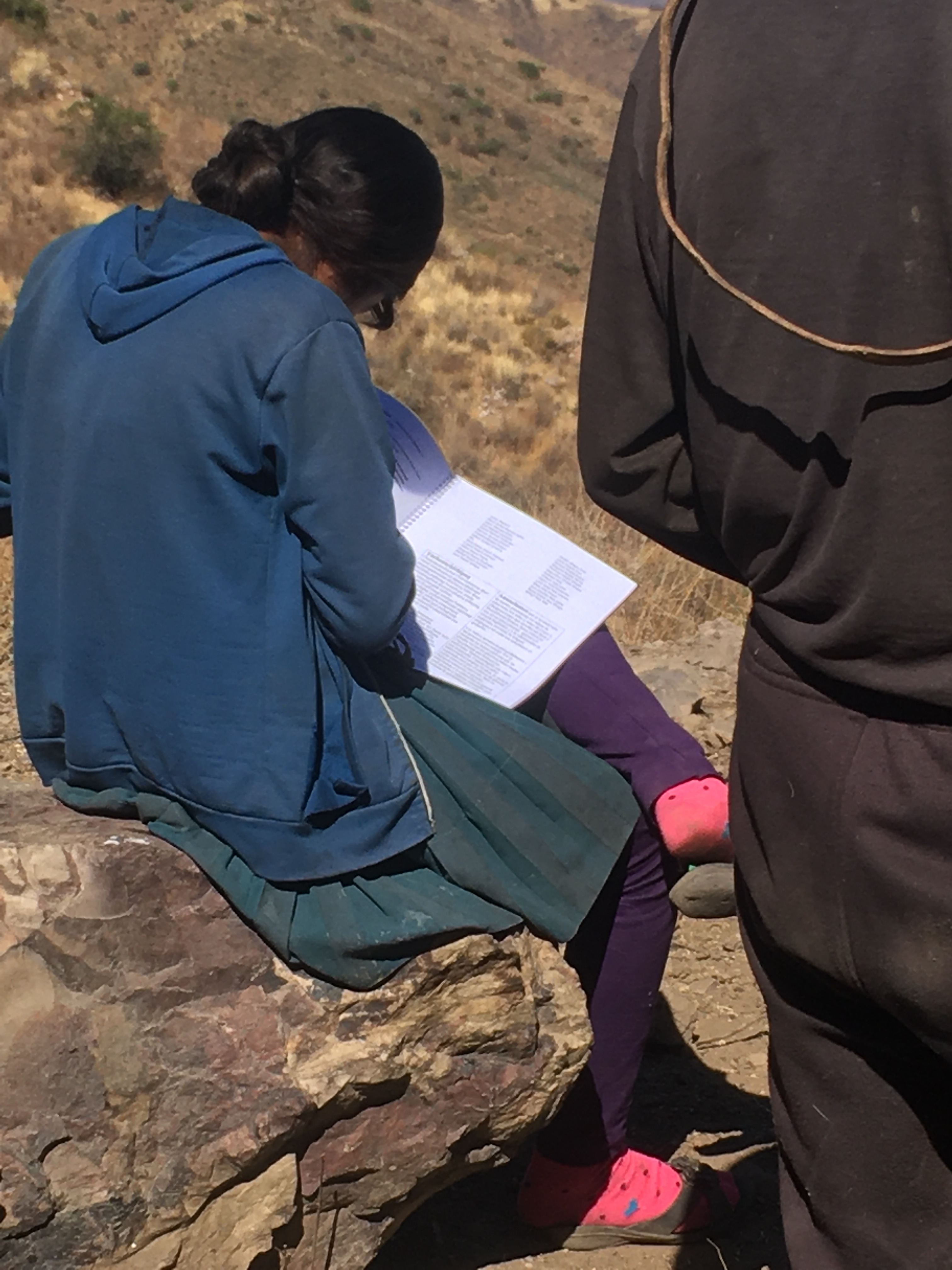
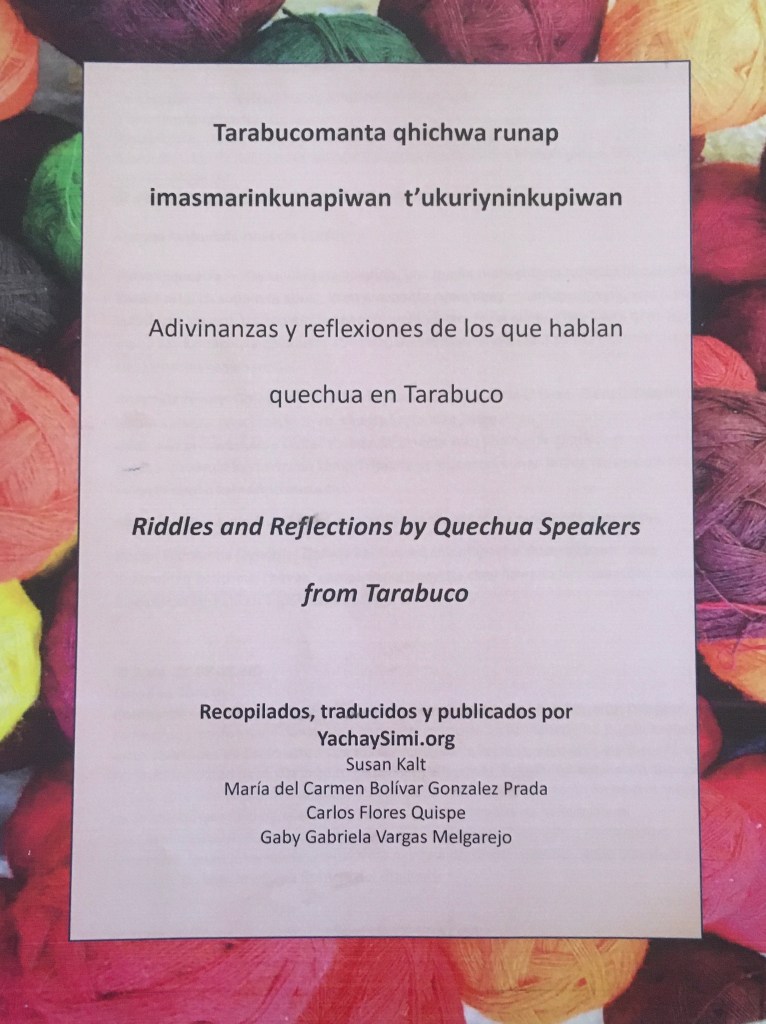
The booklet we returned to folks this year is in their own words, and has already been well received. Click on the image below to read the book.

Here is the link to our booklet, in Quechua, Spanish and English!

Car trouble

Nothing can stop us!

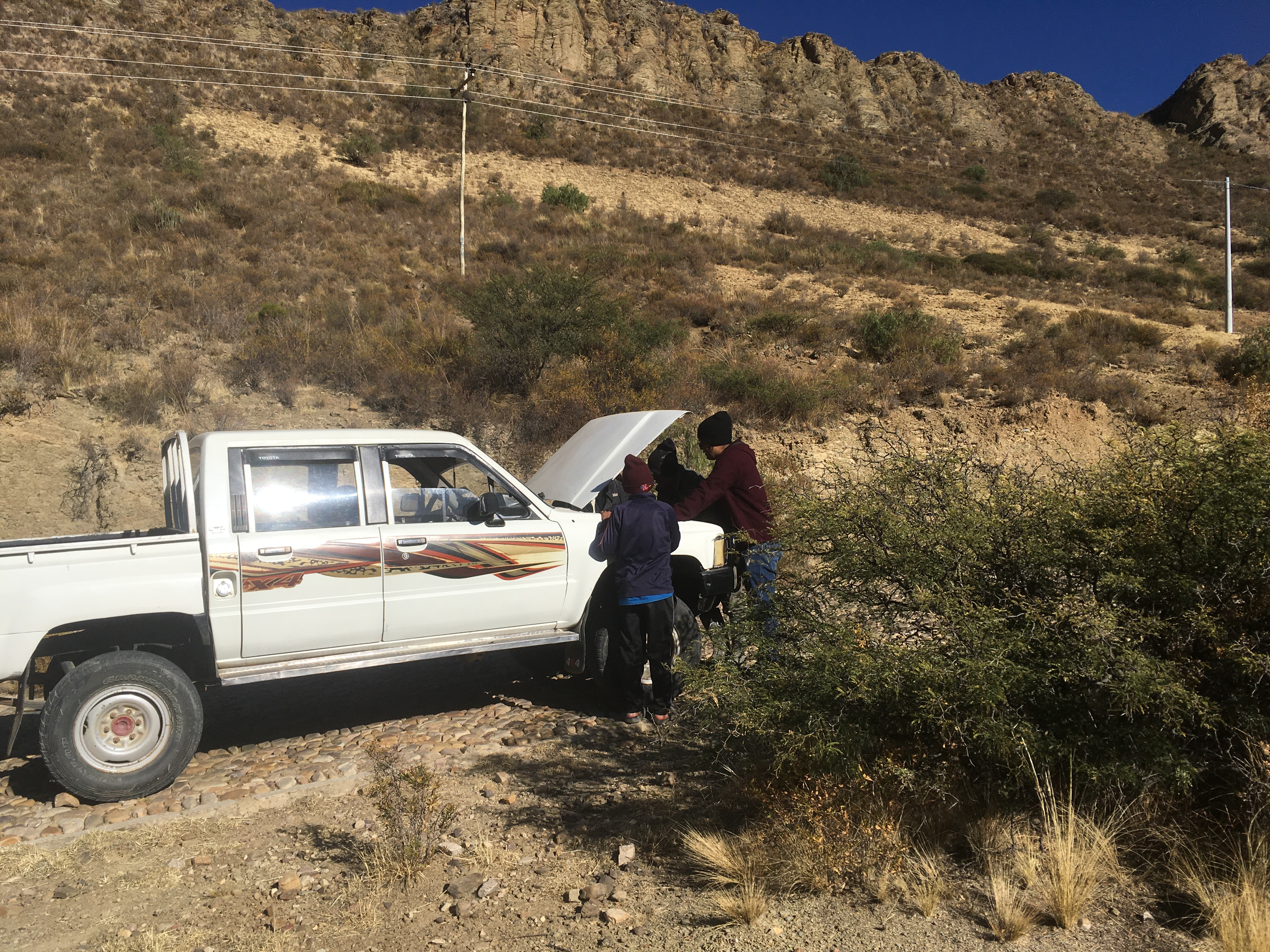
This is the first time I’ve traveled in the Bolivian countryside with someone who has their own truck. On previous trips I have traveled the same roads on foot, which is definitely the best way to see things and get a visceral feel for them. However, it’s grueling and time consuming. Plus, you can’t carry much in the way of gifts and books when traveling on foot. In the past, I’ve also shared rides with others in the beds of livestock trucks and pickup trucks, and squeezed inside crowded vans.

Traveling in Carlos’ pickup truck I was fortunate to have an attentive driver – he even made sure my seatbelt was buckled!

I learned that Bolivian vehicles have two different fuel burning options: gasoline and natural gas. Depending on the steepness of the incline, the driver will choose one or the other. Natural gas is cheaper.

Carlos learned a lot about rural driving and auto mechanics on the job. At one point while bringing books and supplies from the city his hood popped open, blinding him. Luckily he was able to pull over without further incident, though the hood now needs repair. We also experienced the car overheating, the horn getting stuck in the ‘on’ position due to a melted cable, and an hour’s worth of navigating loose farm soil at the end of a driveway. That last situation required about six of us to figure out how to build tracks out of loose boards to get back to solid ground. Never a dull moment! And we always had our walking shoes ready…!

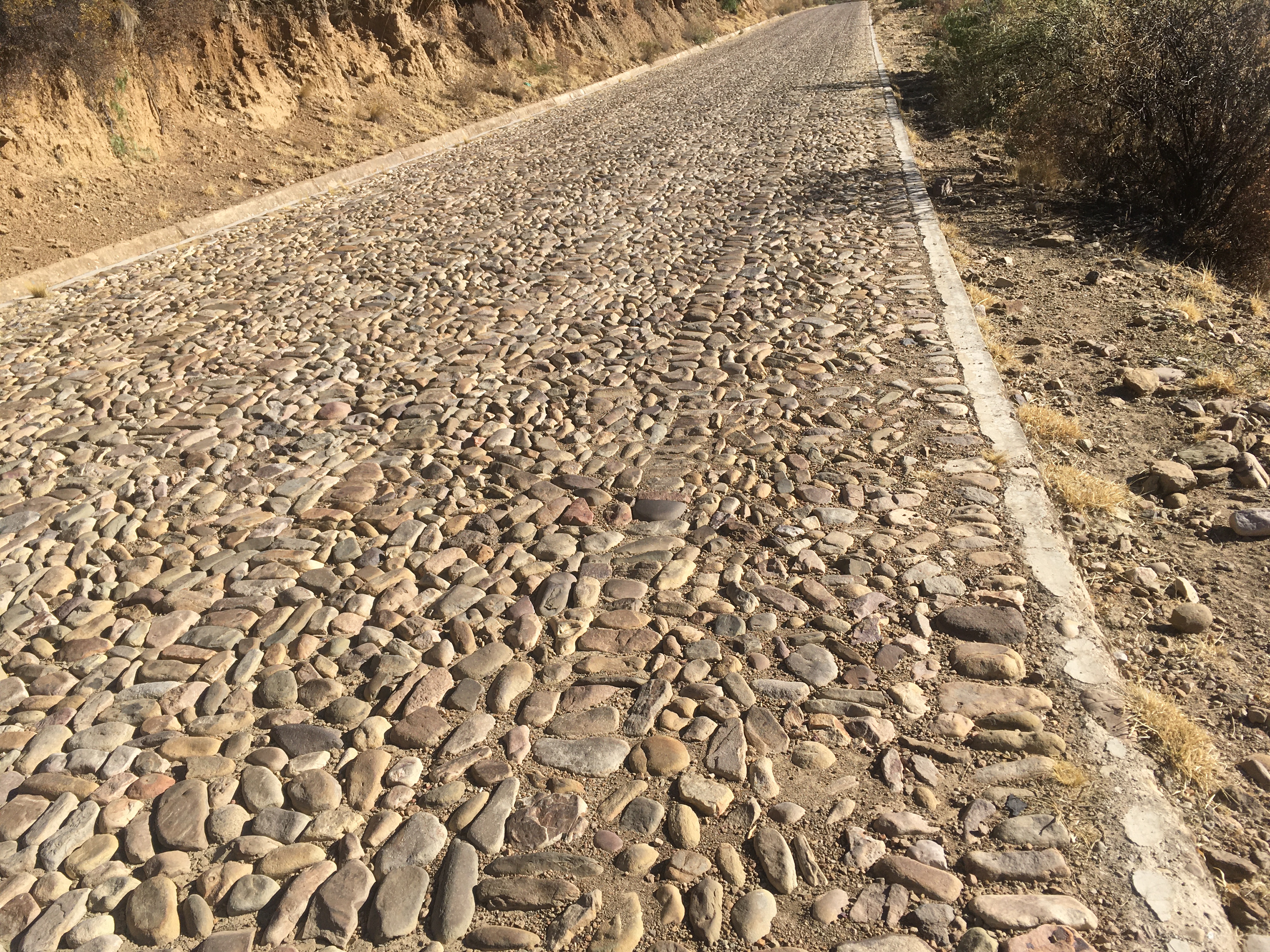
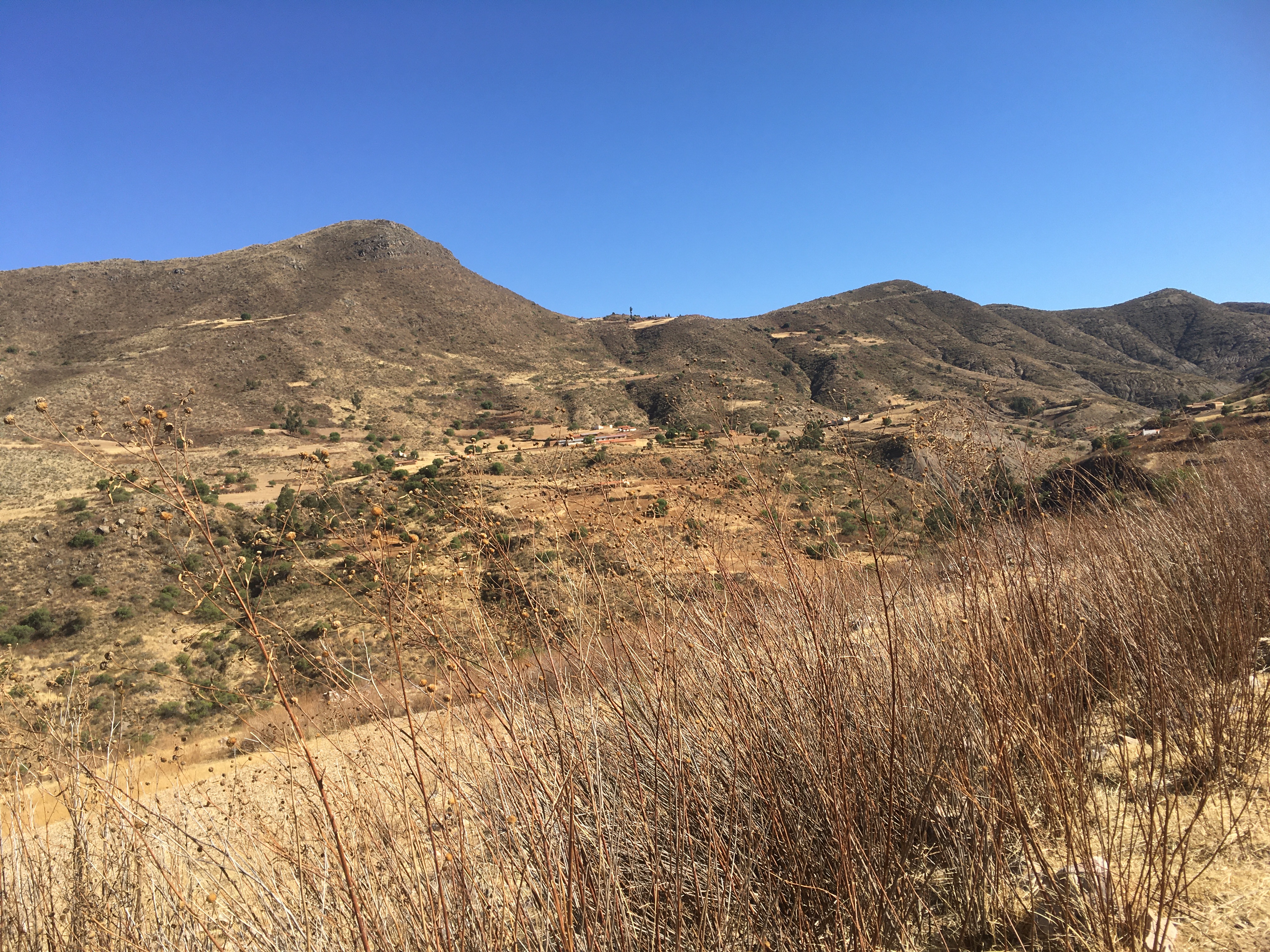
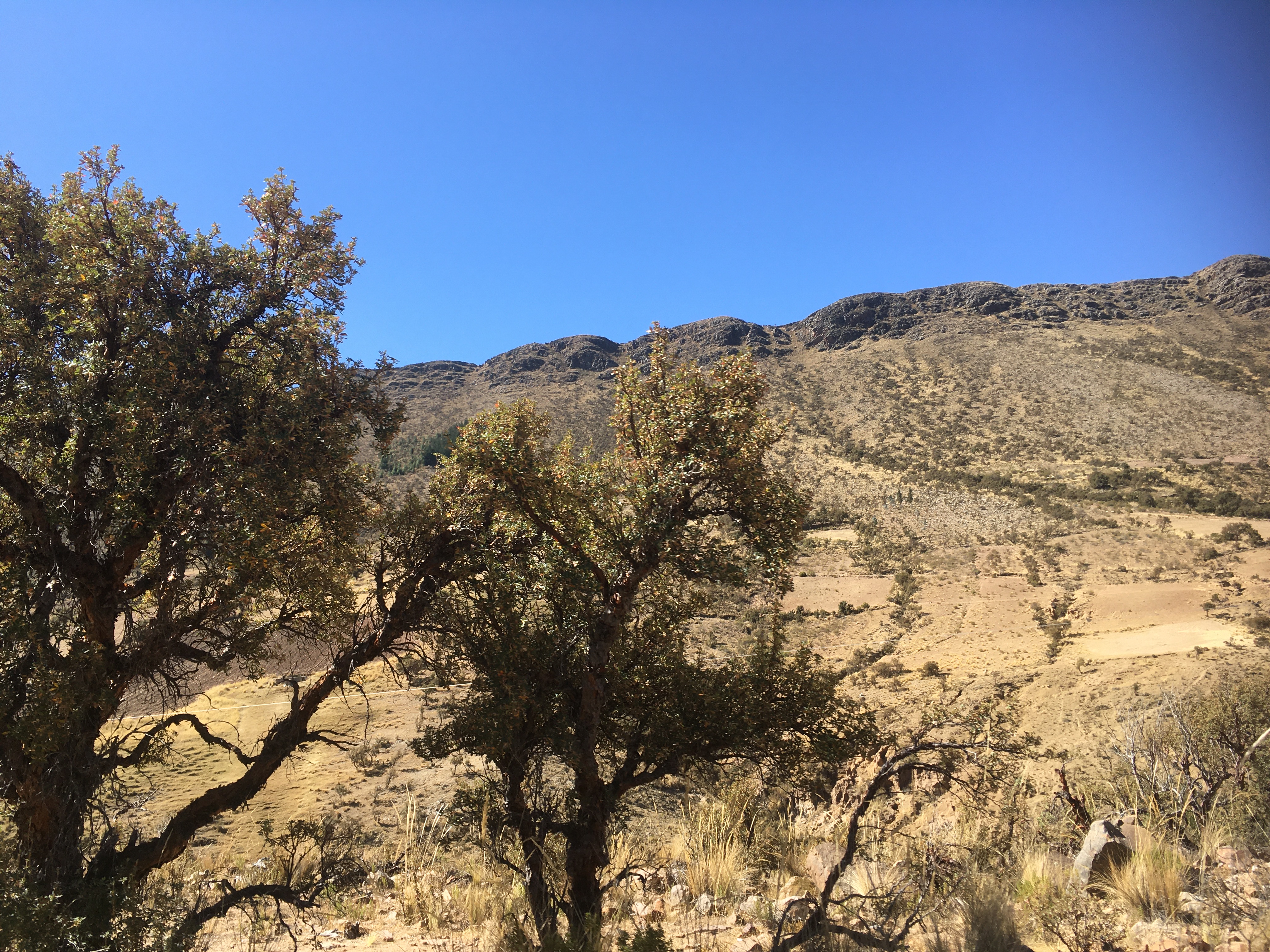
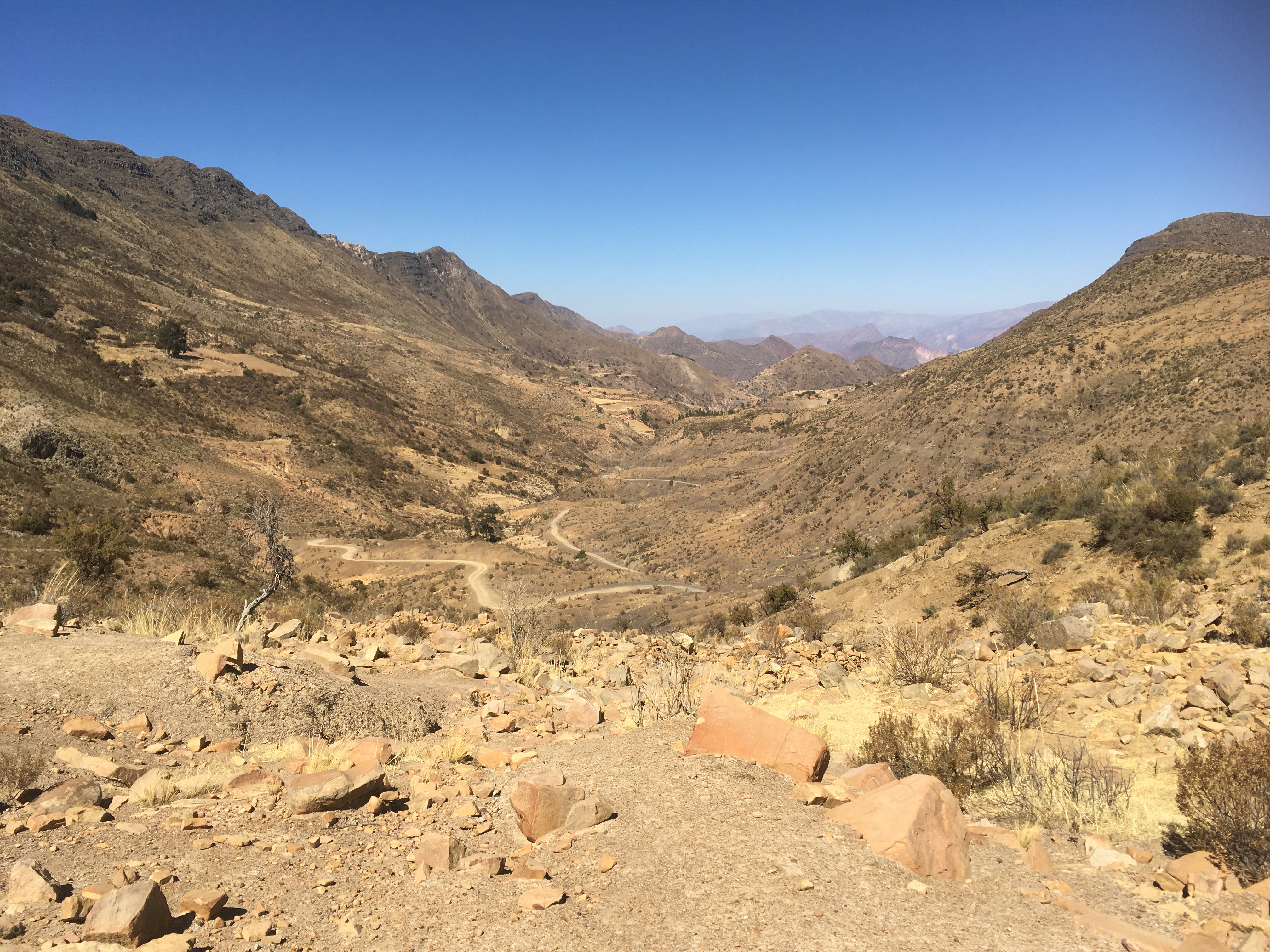
Here are some of the views from our travels.

Stone road
Distant farms
Qhiwiña trees

Lost and Found

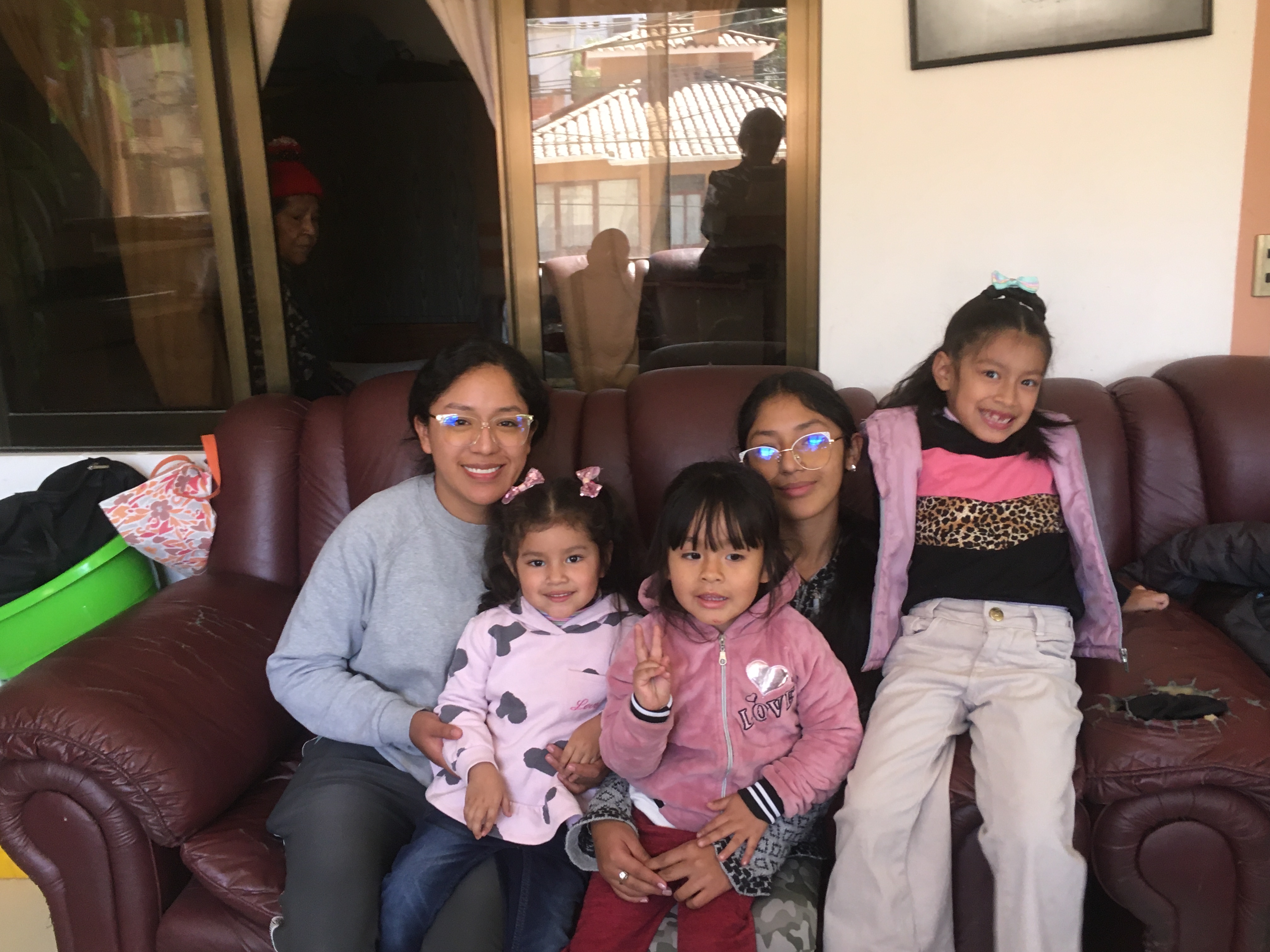
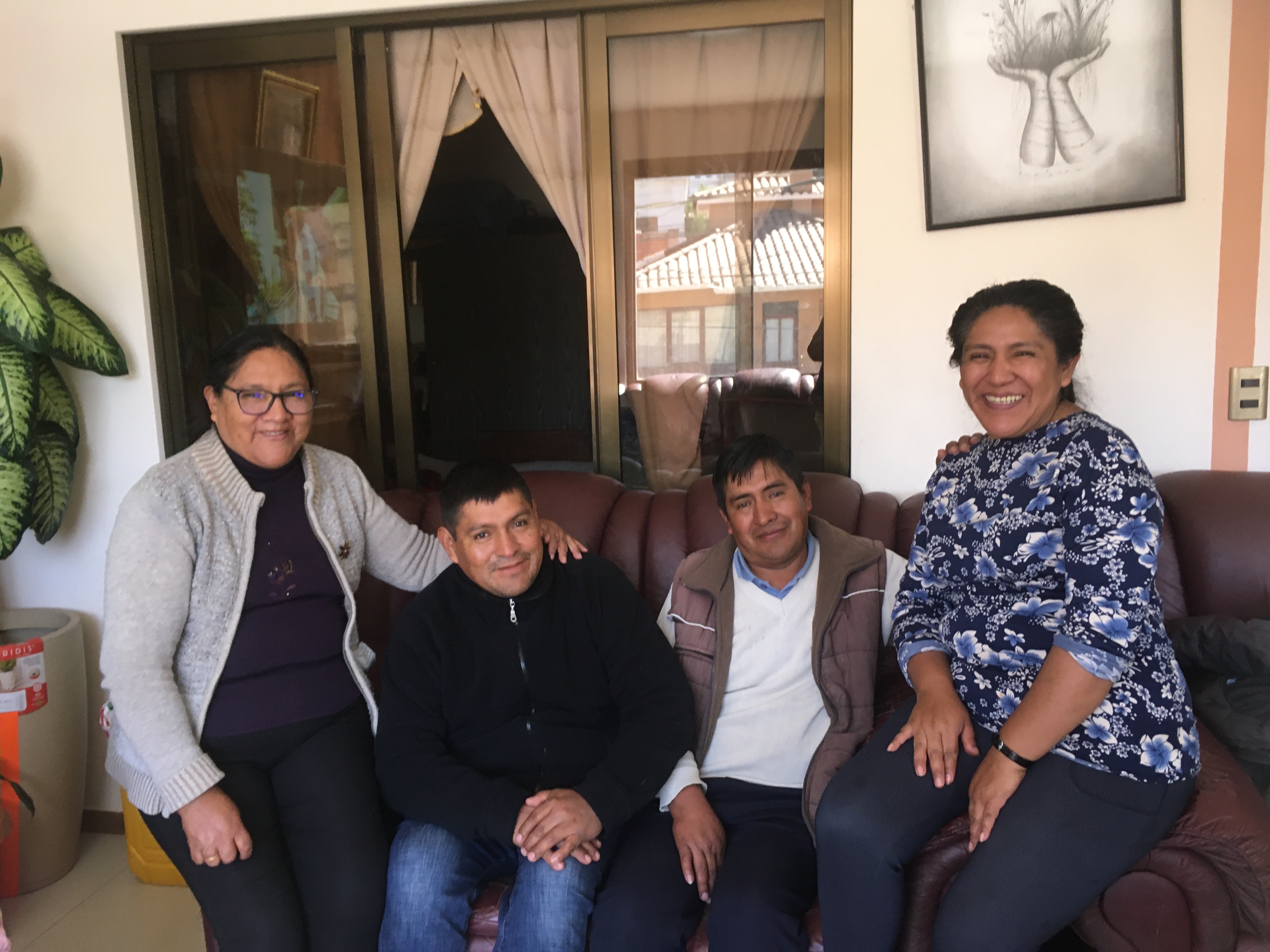
Maria Cristina Parackahua Arancibia and husband Jorge Segovia; their home has always been my launchpad and reception to and from rural schools in Chuquisaca, where Cris taught back in 2000.

Remember the lovely spiritual ‘Amazing Grace’ that features the words

‘I once was lost, but now I’m found…Was blind, but now I see!’

Traveling does seem to involve a lot of recovery – of relationships and vision.

I arrived in Bolivia a little over a week ago with the hope of reconnecting with my generous hosts and mentors from past and present.

I started with my host sister and family in the city of Cochabamba – when I lived with her for a year in 1976 the city had 200,000 inhabitants and now it is over two million. Back then, close to 75% of the population identified as indigenous and practiced agriculture and mining in the countryside and a few small urban centers. Now I share the table with grandparents who speak Quechua, contemporaries who may or may not speak it, and youth, children who say they don’t understand.

From our shared bedroom window Miriam and I could see the Cerro San Pedro – now it is nearly blocked by a few tall apartment buildings and a large white statue of Christ stands with outspread arms, competing for size with the one in Brazil. Despite all these changes, something in me stirs every time I come here and look up at the mountain range that runs along this high valley city.

The week in Cochabamba was rich with personal and professional rekindlings. In addition to introducing our sponsored scholar Carlos Flores Quispe to my host sister’s family, we visited the Centro de Investigacion ProEIB Andes at the Universidad Mayor de San Simon, where I’ve been welcomed as a visiting researcher once again. We met with Dr. Pedro Plaza Martinez, now nearly an octogenarian and beloved by myself and virtually all of my academic and educator activist friends who speak Quechua. Dr. Vicente Limachi, whom I met as a fellow grad student in 2000, now heads the graduate program there. Dr. Marina Arratia is working with him to start a new online master’s program in Bio-Cultura. Their colleague Dr. Fernando Galindo was away but we remain in touch. I still frequently use his method of cultivating students’ exploration of their own cultural and linguistic identities through in-class interviews, essays and autobiographical presentations.

On Wednesday Carlos and I returned to the University to meet with the dynamic Quechua language teacher Julieta Zurita, whose former students are now spread around the Andes and US as linguists, educators and participants in various governmental and non-governmental organizations. Our sponsored scholar Gaby Gabriela Vargas is a former student of Julieta’s, and it was great to catch up.

But wait – this blog was supposed to be about lost luggage!!

So let me get right to the point.

After the pandemic, many of us lost a bit of our nerve for travel and for meeting up with people in less-than-familiar situations. We also lost some confidence in our own health and strength. So I decided to give myself a week to acclimatize to the altitude and multicultural, multi-class, multi-racial fabric of Bolivia before heading off to connect with people in rural areas.

On Wednesday afternoon I regained my own sense of the city enough to take a bus on my own rather than a taxi while running errands. I got directions from a woman on the street and hopped on the bus and found my way on foot back to the house. On Wednesday evening, Carlos and I got on a plane to the city of Sucre, arriving after dark. Again we faced the choice: bus or taxi? (to get down to the city from the airport). We chose the bus. The driver and assistant put our suitcases on the roof and we waited for the bus to fill up with passengers. Part way down the mountain Carlos told me he would be getting off to head to his own house that he shares with his brothers close to the city. I didn’t panic because I’ve often traveled alone in the city of Sucre.

I was the last passenger on the bus and the driver pulled my luggage off the roof – except one suitcase he gave me was not my own! And since I was the last person on the bus, the driver insisted that it must be my bag, but it wasn’t. A slightly drunk man on the street suggested that I take a photo of the driver’s license plate and call the police. But instead, I asked the driver for his name and phone number, and he assured me that nothing would be lost. I should come back to the Plaza Camargo at 7:30 am where the driver’s union meets, and my bag would be found. Since the bag contained a donated projector for one of our communities plus most of my clothes, I was a bit concerned and told him I would wait for the bag’s return to pay the $1 fare (10 bolivianos). I took the rest of my bags and got in a taxi, heading to a friend’s place for the night.

Sure enough, when I got to the bus driver’s union stand in the morning, the driver was off giving rides to others, but my bag had been returned. I left my fare with the driver who attended to me, and exchanged the other bag which I am sure they returned to its rightful owner. I’m sure my bag had been grabbed in error by a family traveling with elders and small children.

I guess this is a lesson in confidence and trust.

Get up your nerve, treat people with kindness and respect, and others will do the same. Good things keep happening.

Cris’ son Ruben on the left was a child when we started out in 2000
Siblings Cris, Rene, Armando, Mery
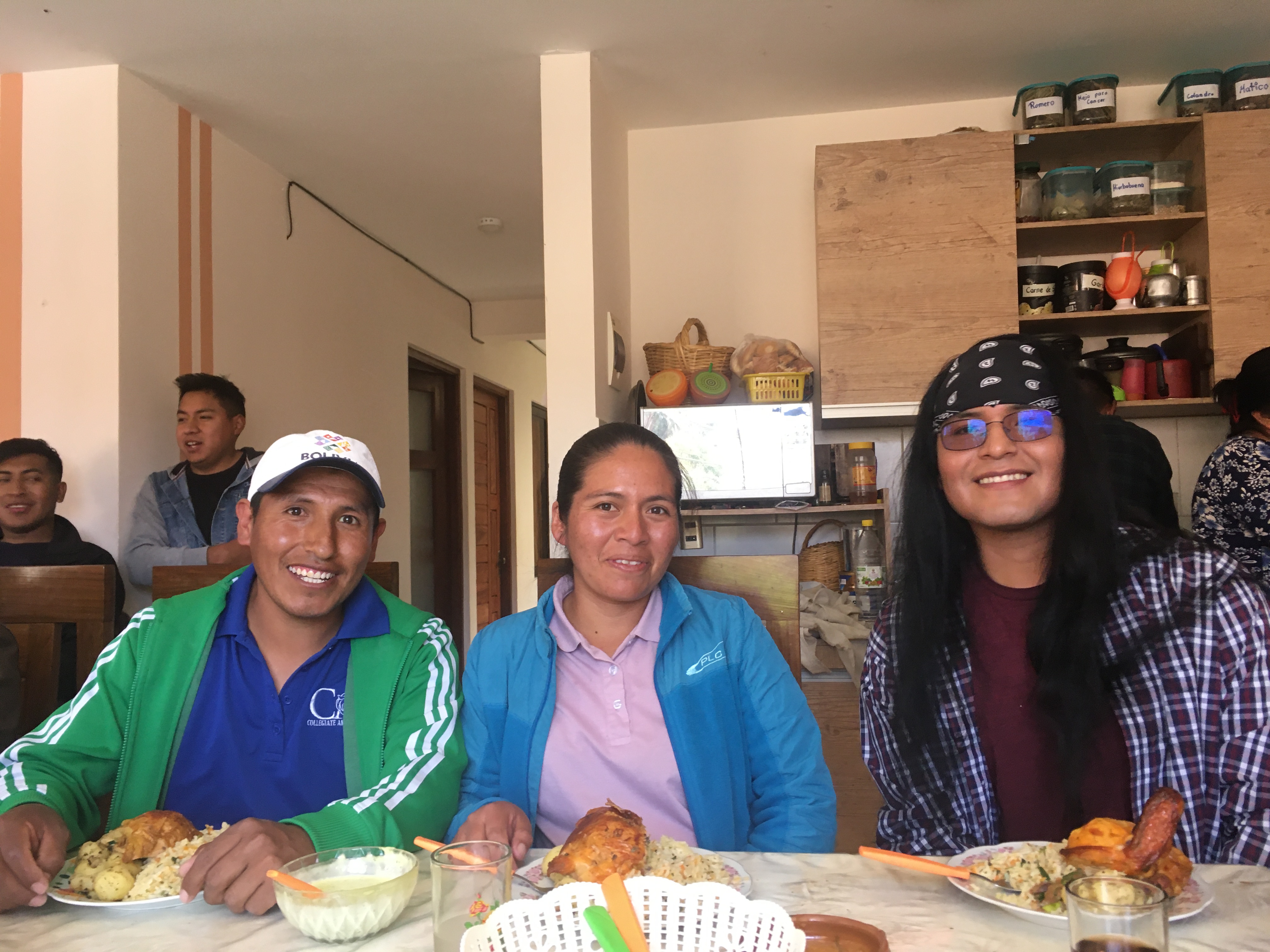
Cris’ family welcomed Carlos (right), our interviewee Rogelia and her fiance to their table
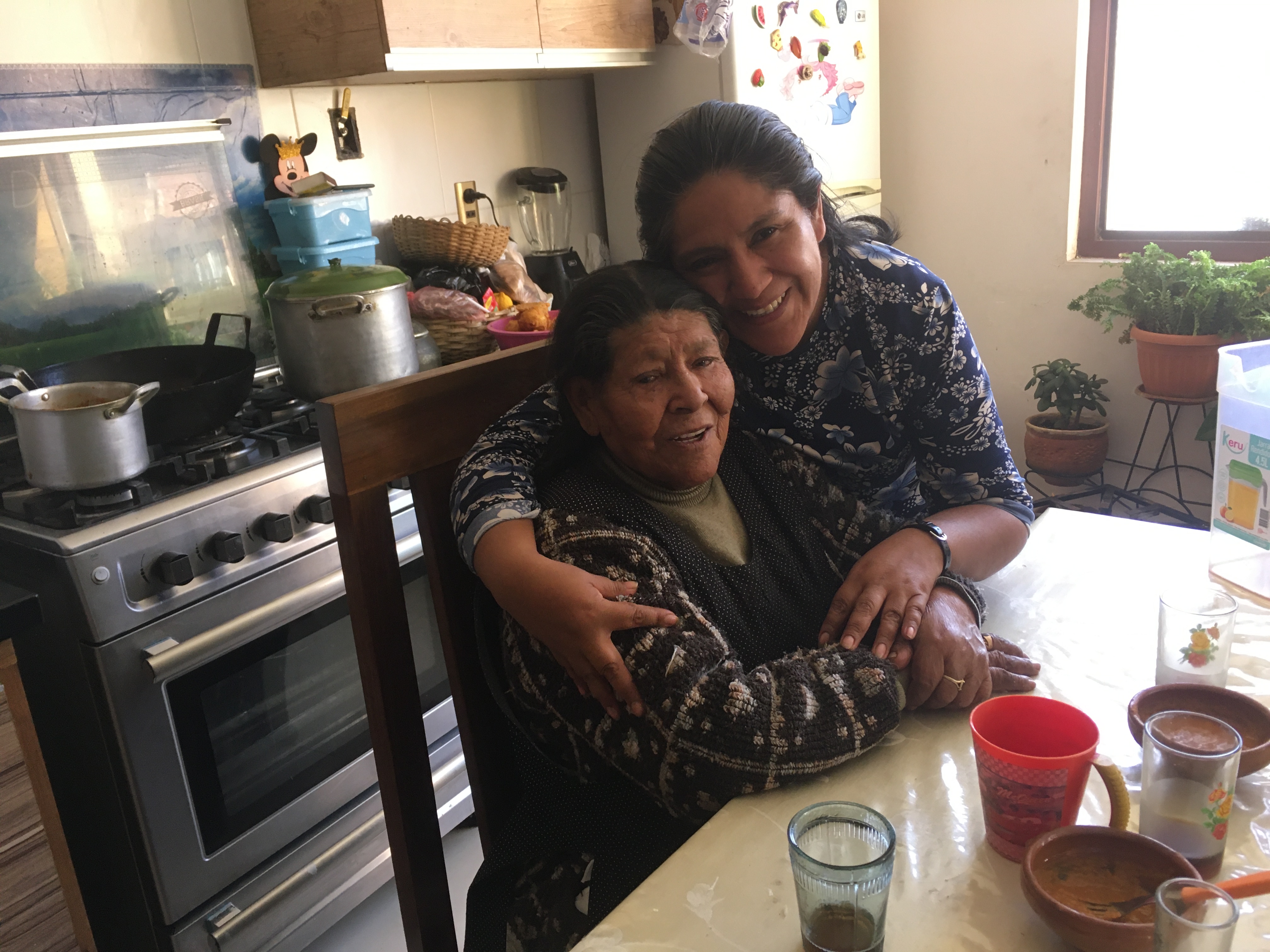
Mama Marcelina and her daughter Mery
Armando and Marilu and their grown kids; Jurgen on left just opened a hamburger stand
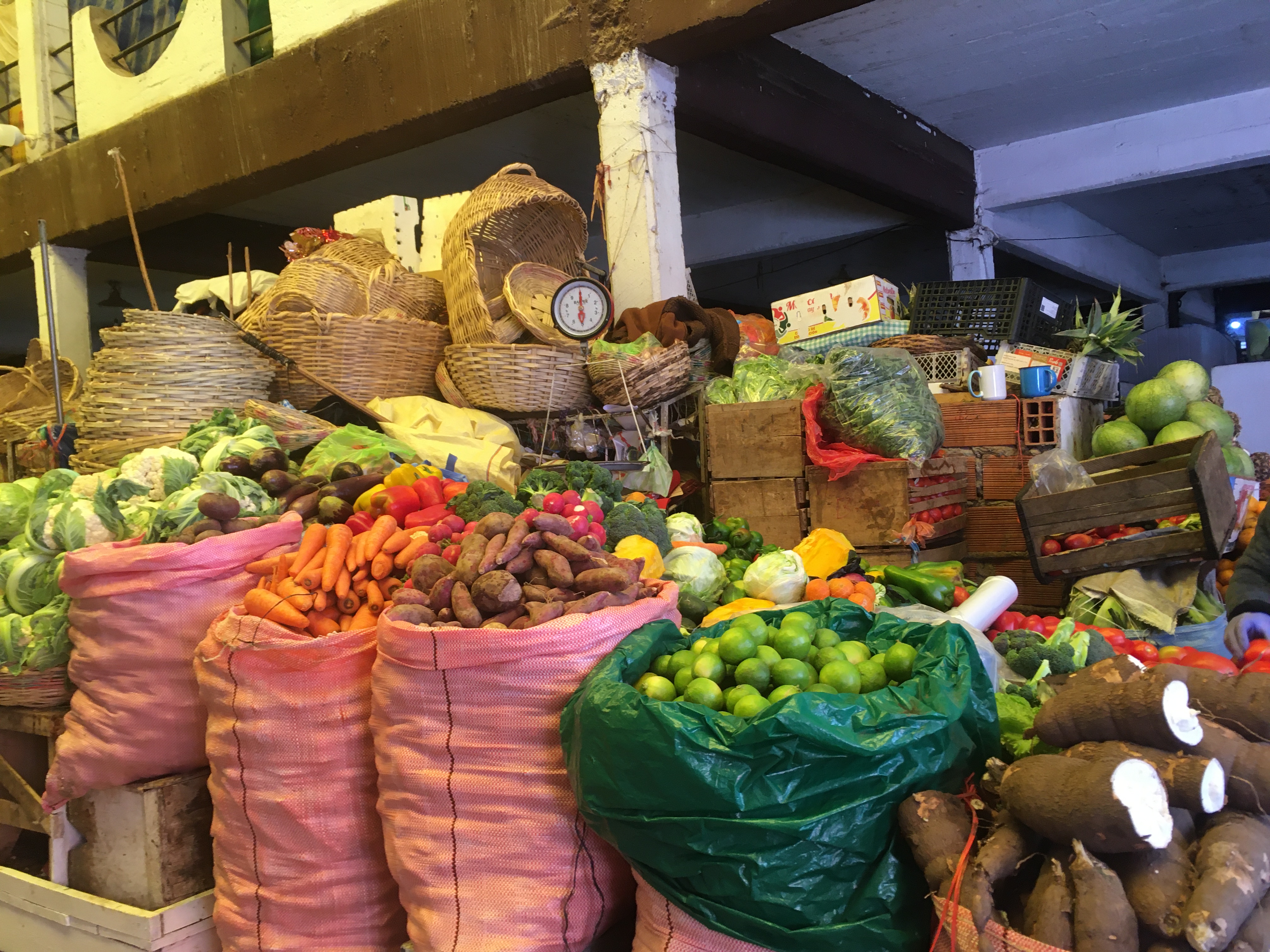
Mercado Central Sucre co exists with supermarkets

Kutimuy – To return

Return trip – 2024

I am excited and hopeful about returning to the Andes in July and August of 2024. My purpose this time is to reconnect after the pandemic. Priority number one is to visit the rural communities where we have recorded interviews since 2009. We’ll share access to what we have published as well as what we hope to publish next from these interviews. We promised to produce new school materials in Quechua and now we want to hear about which formats are most accessible and useful for families, teachers and researchers based in the rural Andes. Do they prefer monolingual, bilingual or trilingual versions? Print or internet versions? Illustrated or self-illustratable versions? All of the above? How can we best dovetail with the efforts of local community members and educators?

A group of us has been working hard this year to generate monolingual, bilingual as well as trilingual versions of the riddles, anecdotes and stories that we have recorded. Our group includes Quechua speaking grad students and researchers based in the Andes and US. We are using free software called Toolbox with extensive technical support by linguist Karen Buseman, and we’re learning to develop an automatic parser that also generates custom-tailored dictionary entries from the corpora we previously transcribed, translated and analyzed by hand.

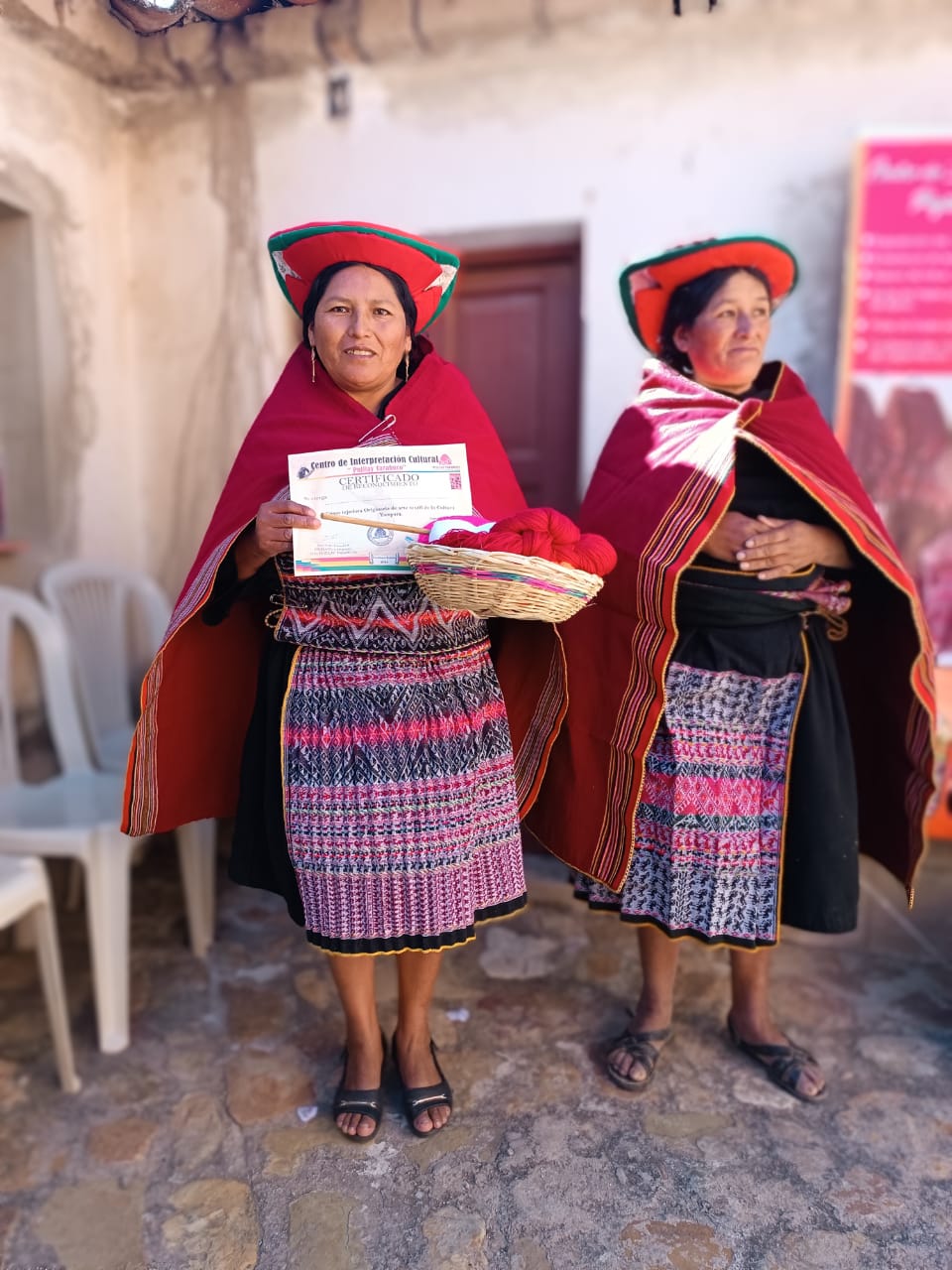
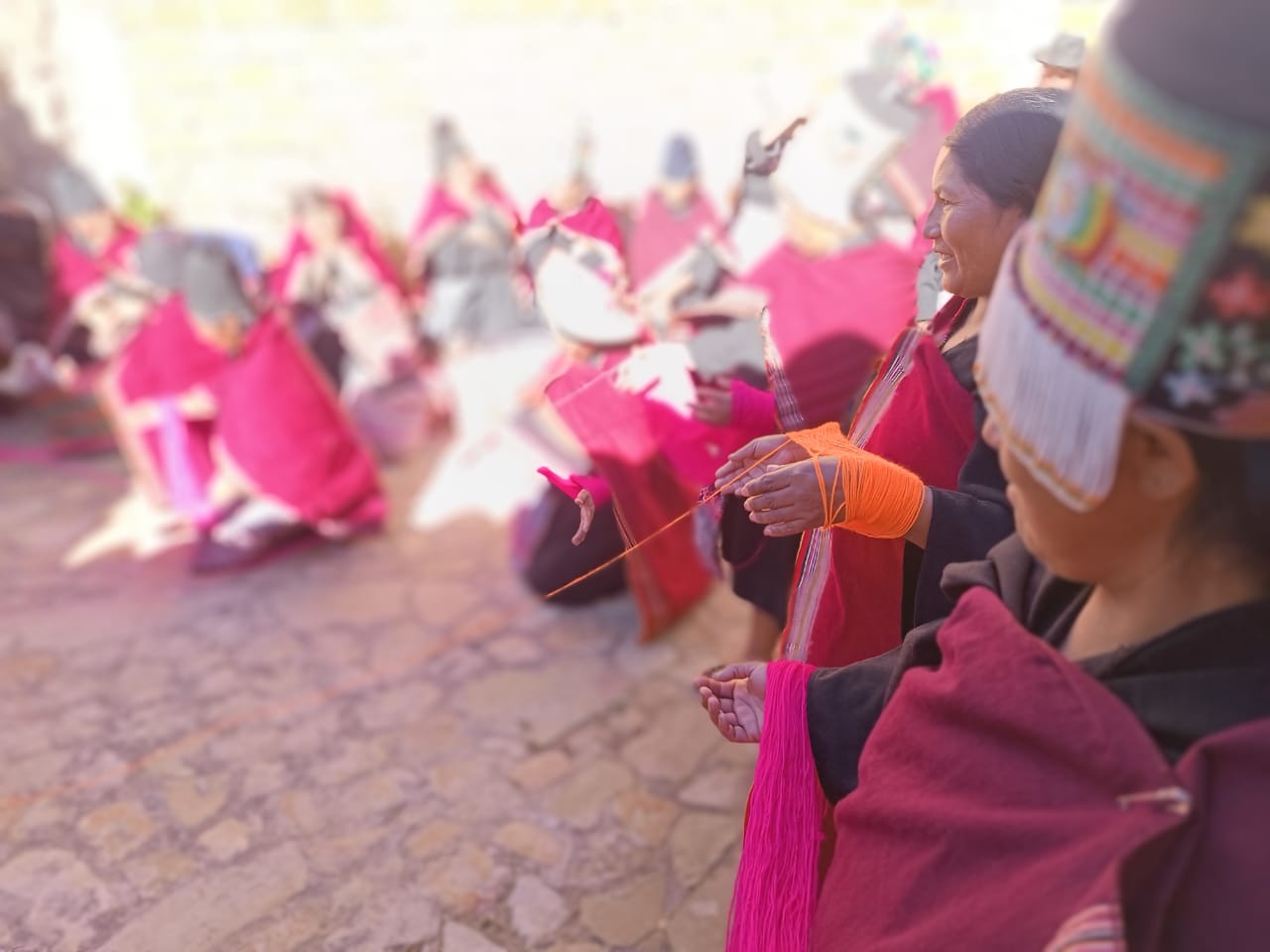
Our work is heavily focused on promoting pride and study of the Quechua language. Sometimes the urgency we feel about this seems like a tangent to folks in communities. They are actively confronting other issues related to cultural and physical survival. For example, some shepherding communities in South Bolivia are working to promote their hand-weaving practices which are increasingly abandoned in favor of machine-made imitations. Yachay Simi was among funders who were invited to sponsor a weaving festival for mothers and daughters by the indigenous-led Centro de Interpretación Cultural Pujllay Tarabuco in May 2024. Here are the results:


Centro de Interpretación Cultural Pujllay Tarabuco fosters ancestral pride
Weavers of beauty

Land acknowledgment

Although a website appears to be landless, the people who make it are not. I acknowledge that I have lived most of my life in Massachusetts, an Algonquian name meaning ‘At the foot of the Great Hills’. The Massachusetts, Scaticook and Mohican Indians have endured violence and disrespect continuously since the arrival of my European ancestors to this place.

I acknowledge that our collective sense of identity has been forged partially through erasure from memory of theft by the General Court of the Massachusetts Bay Colony. A history book about my hometown [1] begins by mocking the Scaticook Indians, who are referred to as ‘savages’. These same ‘savages’ however, entered a protest in court in 1750 over the theft of their land. Some of them ended up further north, others in Connecticut, where even a decade ago they continued to press for federal recognition as a people. Here in Boston, some of the original Massachusetts inhabitants continue to live in Ponkapoag (today named Canton); the Wampanoag and Mohican people continue to wage valiant attempts to reclaim their language and history, and to educate those of us who occupy their traditional homeland.

This webpage Yachay Simi is dedicated to people whose lands and lives faced similar disruption in the Andes. As I have come to know them through the work reported here, I have come closer to a provocative understanding of how European settler colonialism – a part of my own background and ancestry – continues to play a devastating role in the endangerment of native languages, lifeways and relationships with the land.

A writer who has influenced and encouraged me recently is Robin Wall Kimmerer, who with an incredibly light-hearted and deft touch, draws us into a life of rethinking science and rediscovering/recovering her ancestors’ language and wisdom in her book Braiding Sweetgrass. After reading the book I was privileged to see her speak (virtually) at the outstanding conference Here It Began sponsored by Massachusetts native people and Bridgewater State University.


[1] Williamstown Historical Commission, ed. Brooks, Robert R.R. Williamstown, the first two hundred years, 1753-1953 and Twenty Years Later, 1953-1973, second edition. Williamstown, MA, McClelland Press, 1974.

Where are posts from the field?

If you are a newcomer to this blog, or a former fan, you may have wondered what happened to all the posts from the field. Why are there big gaps?

I began blogging in 2008 while participating in the Andean Worlds Seminar in Peru, and those posts are found at the very bottom, since posts are in reverse-chronological order. The end is where it started…

I returned to Peru and Bolivia for an intensive field stay in 2009. I was also hard at work in Andean cities and countryside in 2010, 2011, 2016 and 2018. During these years I have made sure to bring collaborating educators and indigenous community leaders north whenever possible – to facilitate first hand exchanges.

As predicted at the very beginning of the blog, my perspectives and relationships to people in the field changed radically in the course of the passing years. So did my ability to catalog all that was happening in real time; in 2016 when I stayed for three full months, I did quite a bit of posting on facebook rather than on this blog. Maintenance of the blog has always been secondary to carrying out the real work, cultivating vital relationships and making the language and culture accessible as broadly as possible.

My awareness of intellectual property rights and the privacy needs of rural speech communities has increased over time, and at some point, much of the blog content may simply disappear, or be transformed for alternative modes of distribution. Please feel free to peruse the rest of this site to find the content that is of greatest interest to you.

Welcome to the field

I’ve been putting off writing this next blog post… where to start?

When entering a community to conduct field research there is a need to establish trust and common ground – two elements that are hard to maintain in a post for a broad audience. It’s tempting to present the community only in the light of what is different and new, which can easily make people look exotic. If you’ve ever had a visitor stay in your home and write or blog about it, you know that it is not always comfortable to live under someone else’s microscope.

On the other hand, if you’ve ever seen a great documentary film, such as “We Still Live Here” directed by Anne Makepeace, you’ll know that it can be worthwhile for a community to let strangers in to help tell their story to others, or in our case, document the local language and wisdom.

In 2016 I was privileged to return to a community outside the town of Tarabuco, Bolivia, for the fourth time since 2000. This time I was accompanied by a beloved native speaker and Quechua linguist, Pedro Plaza Martínez, who has had a relationship with community members for twenty years but hadn’t been back there since 1996.

We had initially considered attempting to interview people in the town of Tarabuco itself, but quickly found there was no place to set up – so we found a vehicle that was heading for a community further out where we had connections, and climbed on board. We arrived unannounced at the home of Pedro’s godson and co-author, Modesto, who was busy replacing his thatched roof with corrugated tin, along with his two younger sons. Our chauffeur parked his car and promptly joined in on the roofing project, which lasted for several hours that day and continued to absorb our host for the entire week we were there.

You might have done a double-take when I said “co-author” in regards to a Quechua-speaking farmer, and you should. There are very few people actively writing in the Quechua language today, and even fewer are shepherd/farmers. However, Pedro had developed a unique relationship with two farmers who asked him to take over their literacy class at the beginning of the education reform in the 90s. Pedro asked them to write about daily life, and eventually to interview other community members, serving the dual purpose of learning to write and helping him develop material for a dictionary. The two went on to produce what he believes may be the largest body of written work produced by shepherd/farmers themselves in modern Quechua history. They also visited Cochabamba several times and shared their knowledge with indigenous graduate students at the ProEIB Andes back when it was a new program.

We didn’t stay long at Modesto’s house on the first afternoon – we headed straight for his sister and mother’s house and arranged to conduct our first interviews after helping  with the potato harvest and watching a violent thunderstorm in the distance. Everyone seemed very busy – too busy to take time off for a video-recording, but Modesto’s younger brother and his wife agreed that we could interview them if we came back at 6:30 am the next day – which we did.

Marta Llaveta 1

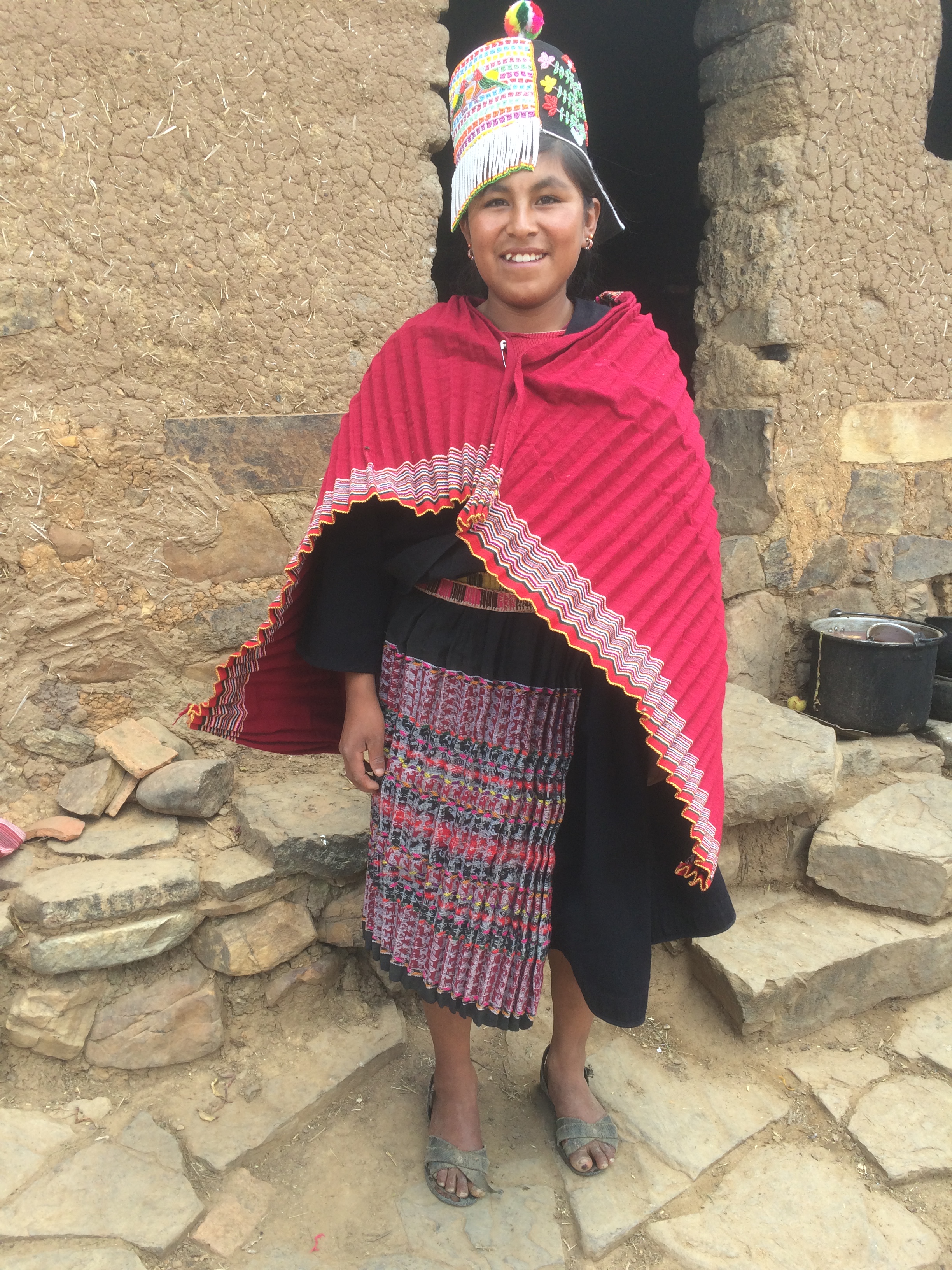
Marta Llaveta Roque in traditional dress

Here are some photos from our first and second days in the community.

Paying attention

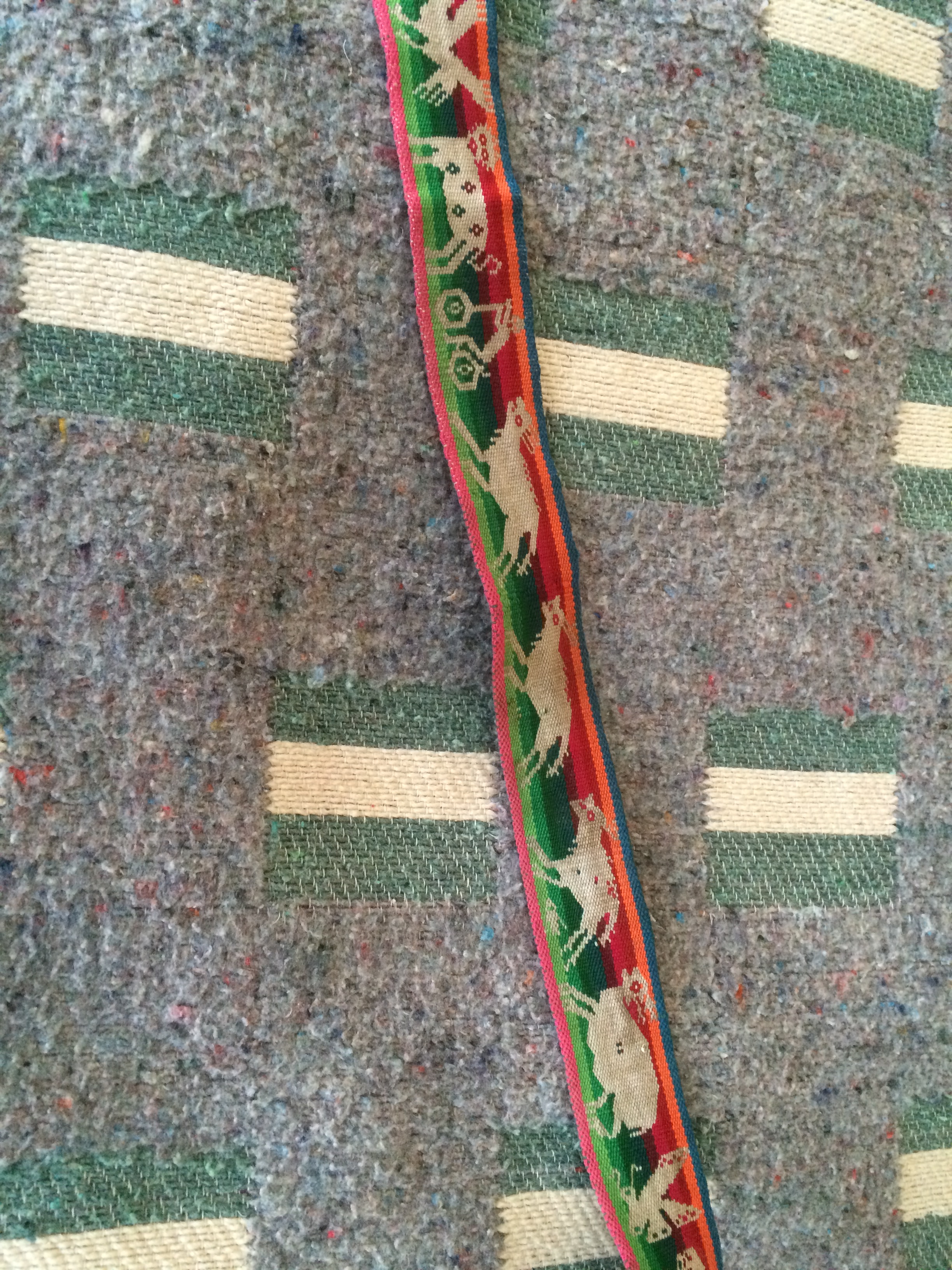
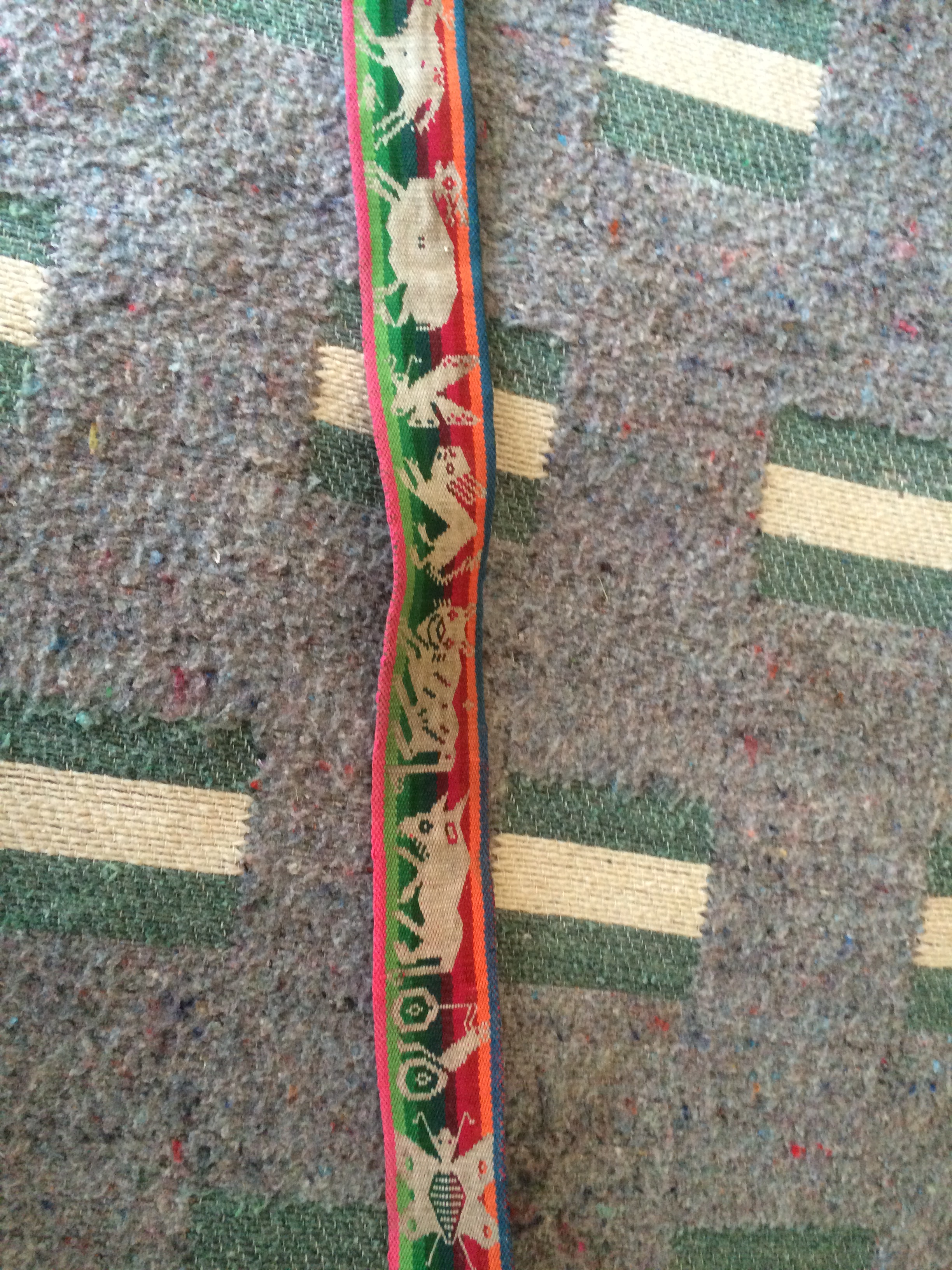
The woman who wove this belt was obviously paying attention!

First, I see a llama, then a condor attacking a rodent, a surprised fox, a rooster confronting another condor attacking another rodent, a spotted dog, a kid on a bike…

IMG_0757[1]

then a series of galloping goats and sheep! A butterfly…

funbelt 2

a chinchilla (in Quechua wiskacha), a ridiculously happy cat, an ox, another kid on a bike, a butterfly seen from a different angle…

funbelt 3

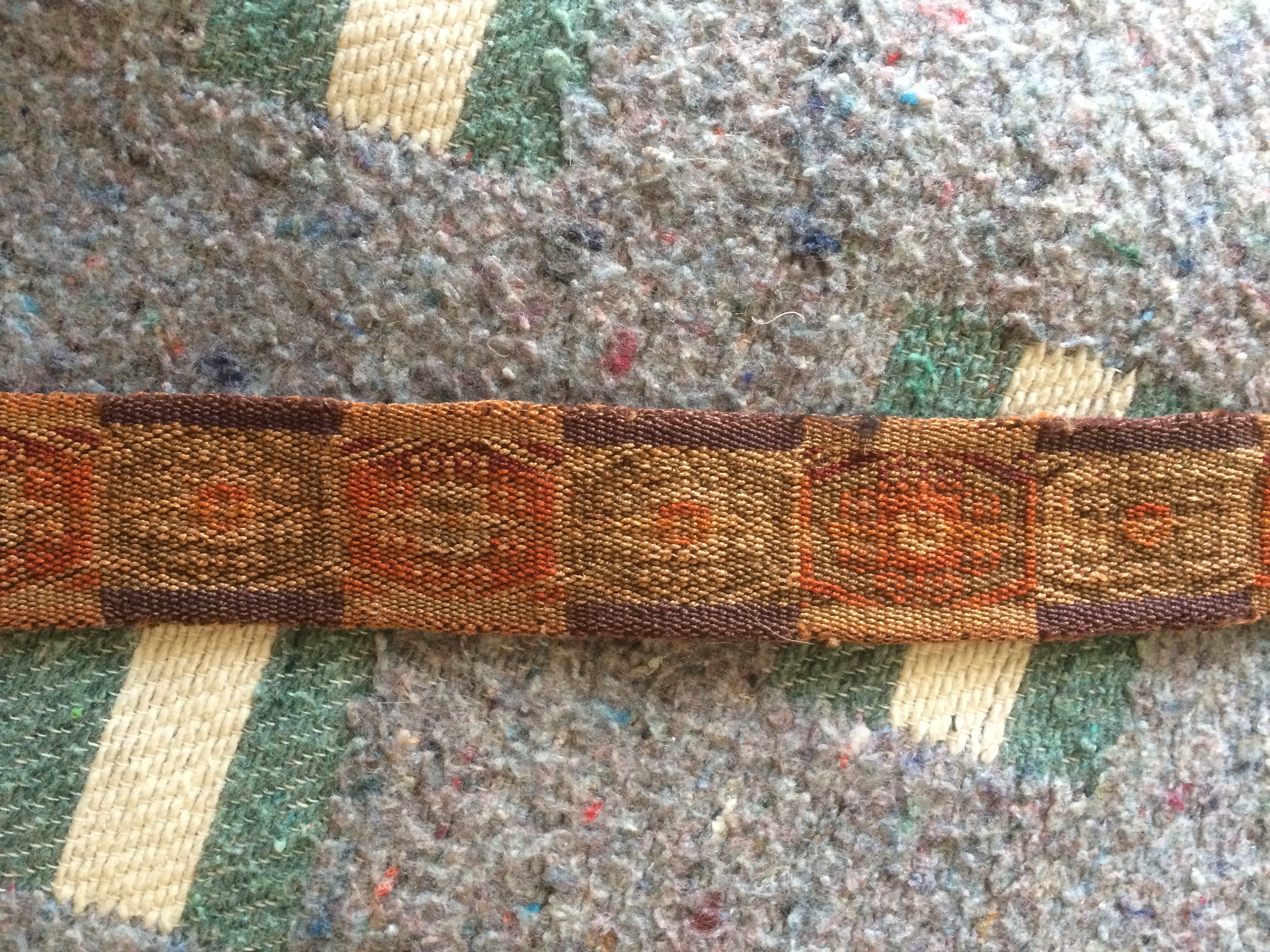
I picked this belt from among hundreds of weavings brought to a small store in the city of Sucre. I also chose this older-style belt with stylized puma paw prints in natural colors.

Puma paw belt

At first I tried to act like someone who didn’t know much about weavings, because I wanted to hear what the store-owner would tell me and get a sense of city prices. But as time went on she began to ask me where I was from and what I was doing in town. The whole family got interested when they heard I was researching Quechua in local communities.

It turned out she and her husband have a deep respect for the weavers; her parents speak Quechua and their daughter is just beginning Quechua studies at the local university. The husband has already read Harvard anthropologist Gary Urton’s book ‘The Social Life of Numbers’ which was written about weaving practices in nearby Candelaria, and he pulled out a Quechua classic to talk excitedly about pre-Spanish counting systems.

This woman has a great eye and told me a number of things that confirmed my own observations: first of all, the really expert weavers in the countryside now prefer synthetic yarns over sheep’s wool except for their own heavy blankets, and they buy it already dyed, then respin it themselves. Hand weaving is time-consuming and weavers have trouble competing with machine made items (the old-style belt cost me thirty dollars! While the extraordinarily artistic one depicting animals with synthetic colors was only fifteen and half as long – both prices way out of reach for the average farmer or even city dweller.)

But she also confirmed that people are leaving the countryside in droves and moving to the cities of Santa Cruz and Buenos Aires. It is harder and harder to find traditional weaving practiced in this area, one of the finest traditional weaving centers in the world.

The store is at Aniceto Arce #108, in the plazuela San Francisco opposite the church. And for a truly extraordinary experience, spend a few hours at the weaving museum ASUR which supports the continued practice of several thousand year old weaving techniques still observed in the countryside around Tarabuco, see bolivianet.com/asur.org.

Connecting rituals

I’m a person who gets really excited about the underlying connections among different people’s rituals. So let me continue by recommending the first chapter of the book Zealot: the Life and Times of Jesus of Nazareth, written by Reza Aslan. The book begins as a thriller taking place in the first century Jewish temple – and you can almost smell the offerings and feel the jostle. Whether you end up agreeing with the author’s take or not, you get a really great sense of where much of ancient Judeo-Christian life and spirituality intersected. You can also get a great sense of where it meets other traditions that practice sacrifice of various kinds.

Here I want to talk about connections I see in Andean and Judeo-Christian sacrifice: human sacrifice, animal sacrifice, offerings to the earth, to the ancestors, to the gods or one God. I also want to talk about the unfortunately close relationship between wonder/awe/respect and fear.

Macchu Picchu has several altars where sacrifices were practiced, as do many of the amazing Inca and pre-Inca ruins throughout Peru and the high and coastal Andes. When I was first confronted with this in 2008, I recoiled. How could anyone intentionally offer the life of another being or offer one’s own life to satisfy the appetites of the gods – how could that be a good thing? Those of us who participated in the Andean Worlds Seminar grappled with this as we viewed archaeological evidence of many people being killed to accompany a dead ruler in his tomb, or being offered in ritual fights to the death which we were told brought great honor to the participants.

Altar temple of sun MP

Altar and solar observatory, Macchu Picchu, Peru

I remember telling my own children that the Old Testament or Torah was full of mentions of animal sacrifices and ‘burnt offerings’, and that some people believed that the death of Jesus was supposed to put an end to that culture of sacrifice by being a kind of ultimate sacrifice – a human sacrifice and a divine sacrifice at the same time – God accompanying humankind in death in order to overcome death.

As my life has gone on and some of the people I respect and love the most have died, I have come to care less about what happens to the person after death and more about how we carry on in the face of the loss of those we care about.

And now I am simply wide open to the beliefs and meanings that people ascribe to death and sacrifice.

In the little Inca town of Ollantaytambo you can go into a house in which people have the skulls of some of their most revered ancestors sitting above the hearth. In almost every archaeological structure around Peru there are niches in the walls for people to keep their mummies or some kind of altar or representation of their ancestors. In Catholic homes these mummies take the form of saints or statues that may simultaneously signify some kind of force of nature. People venerate and revere these representations by offering them food and drink or flowers and incense. Modern ceremonies such as the Mexican Day of the dead remind us in a living way that the intention of these altars and offerings is to strengthen our relationship with those we choose to remember.

Ollantaytambo house

Niche with skulls of ancestors in Ollantaytambo home

I like the term used by anthropologist Frederique Appfel-Marglin to describe this relationship: ‘entanglement’. In Judeo-Christian traditions there seems to be a deep mistrust of entanglement with the animal and plant worlds and the forces of nature that indigenous people continue to venerate. This mistrust was expressed early as a prohibition against the worship of idols and an admonition to worship only one God.

So here is where I take a moment to distinguish between wonder and fear.

I have friends who have been traumatized by religious practitioners who preyed on fear. My sense is that there are fear mongers in every religion – think of pedophile priests, or think, like an indigenous friend of mine in rural Chuquisaca, of Protestants who are obsessed with hellfire and ‘always sound angry when they preach’.

On the other hand, I have atheist, Protestant, Catholic, Jewish and indigenous friends who cultivate a sense of awe and wonder and awareness. These are the people I would like to be entangled with, and the ones whose rituals I would like to share in.

So I’ll end this post by drawing some connections among the altars I’ve seen during holy week and those I’ve seen in the Andean countryside.

The very first altar is the one people create by raising two sticks and a crosspiece or several crosspieces in the air. On this altar or pukara everyone in the community hangs an offering of food or handiwork such as a very fine weaving – and they sing and parade it around for all to see. You can see the raising and celebration of such a structure in the movie ‘Kusisqa Waqashayku – From Grief and Joy We Sing’ by Holly Wissler and the Q’eros people of Peru.

You can see it if you go to Pukllay in Tarabuco, celebrated a couple of weeks before Easter. I’ve also seen such a structure at a celebration of mother’s day in the countryside of Yamparaez. After the structure has been raised and covered with offerings, people dance around it and someone traditionally walks around cracking a whip and making sure they dance well. You can see this moveable community altar depicted in many weavings from the Tarabuco area – look for a rectangular structure with items suspended from it.

To see recent footage of the Pukllay celebration in Tarabuco (featuring the Pukara altar in the first 10 seconds) click here.

My husband and I saw a similar moving altar on a much grander scale in the city of Cusco on the first Monday of holy week. We waited for several hours in what used to be the central plaza of the Inca empire, blocked by policemen and cameras who surrounded the cathedral as thousands awaited the emergence of the ‘Señor de los temblores’ (Lord of Earthquakes). Finally, a crucified black Jesus emerged on a rack that very much resembled a pukara, and was paraded in slow motion around the plaza, showered with offerings of smoke and flower petals and heralded first by people in traditional dress blowing on conch shells, later by a military band.

291088

I was struck by the resemblance of the backdrop of altars in various Andean Catholic churches to these pukaras – big rectangular structures full of saints and the ornate handiwork of local artists and craftspeople.

Maybe it is all connected in some basic way – or should I say, entangled.

Santa Ana of Maca 3

Altar at Santa Ana of Maca, Peru, photo by Judy Kalt Skeels

Altar-banner San Jeronimo Peru

Altar to be carried in parade, San Jeronimo, Peru, photo by Jaime Araoz Chacon