Author Archives: suekalt

Chayamuchkani!

– estoy volviendo a la llaqta – I’m coming back!

My plane leaves for the Andes tomorrow. They say home is where the heart is – and this means I have more than one home.

As I contemplate where I am going, I remember a vivid paragraph from a favorite book called “Blanche Cleans Up” by Boston author Barbara Neely. In it she describes the thoughts of an African American woman, Blanche White, as she walks from her job cleaning the home of a wealthy client in Brookline, along past familiar landmarks into Roxbury where she feels the comfort of community. It’s a wonderful, hilarious and challenging book. http://www.goodreads.com/book/show/592956.Blanche_Cleans_Up

That same trek from Roxbury to Brookline and back is one I have made for nearly a decade. I find comfort and community in both places – and an astonishing array of barriers to authentic movement between the two worlds.

But the journey I’m about to embark on spans an even larger physical and cultural space. I’ve been going to Cochabamba for forty years now – as a teenager, young woman, mother of small children and now mother of grown children – first and always as a language learner and lover of music. My professional role now is ‘linguist’ and ‘educator’ and I am proud to wear these hats in relationship to communities for whom they make a difference in terms of breaking down barriers.

In Barbara Neely’s book, the protagonist is a woman of color who crosses many racial, cultural and class boundaries and exposes them as they arise. My own color (pink) is usually the color of privilege, and it is the one I was born with and grew into. But the color and experience of privilege is always changing in subtle ways depending on who we relate to and what we hope to be for each other. Boundaries and privilege only remain if people agree on them, and life usually calls on us to cross over both.

My first stop in Cochabamba will be in the household of the family who hosted me for a year in 1976 and who shaped my journey in unforgettable ways. In recent years various members of that family have asked where I developed such an interest in the Quechua language, and I’ve told them “In your home!” The process of distancing oneself from the ancestral languages is intense and seems to grow with time – akin to the process of ‘passing for white’ or ethnic/cultural/linguistic assimilation in the US and other places. It has to do with people deciding to ally themselves with whatever seems most fruitful for themselves and their children. Sometimes it’s a matter of survival. I don’t know if this generation is distancing itself from the grandparents’ languages more intensely now than in 1976, or if I am simply crossing that boundary more often than I could back then. I only know that it is a hot issue.

The contested value of Quechua is a major reason why it’s important to learn to speak it, and help communities to appreciate and document the language today.

Yachay Q’ipi Norte (Bringing the Wisdom Bundle Home)


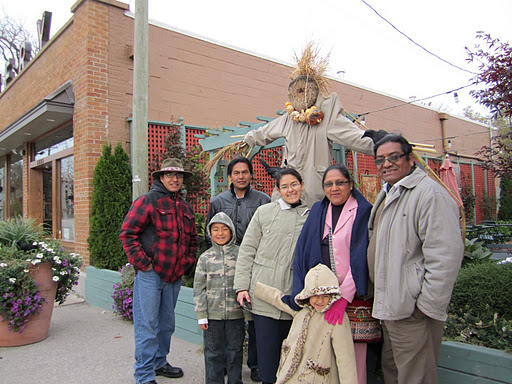
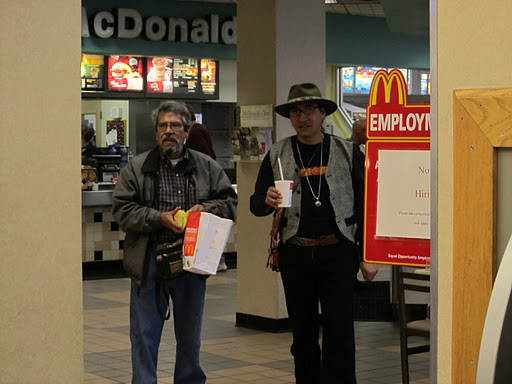
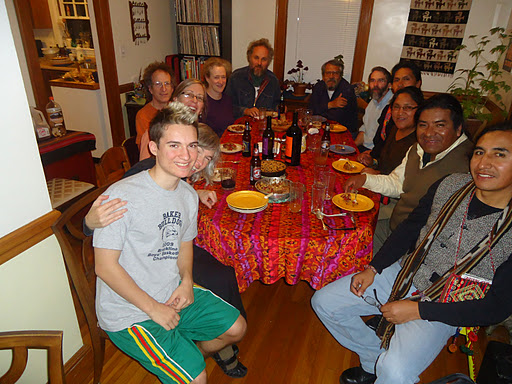
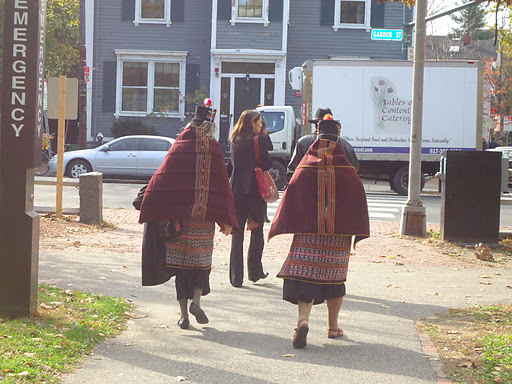
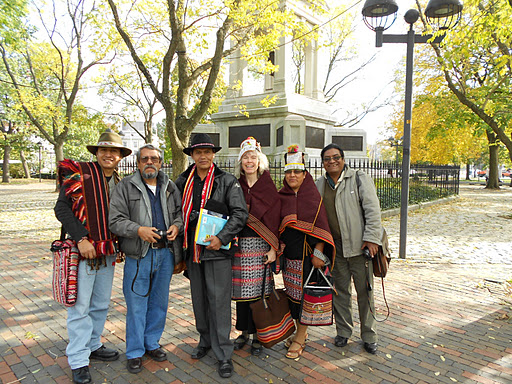
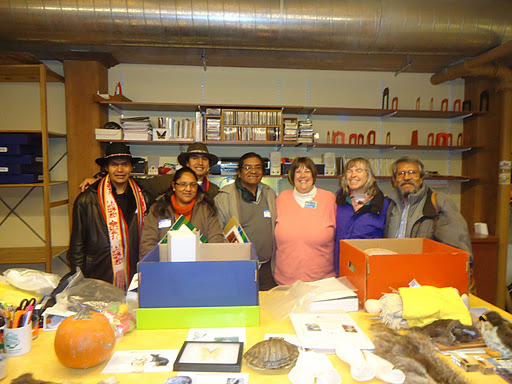
Late October and early November brought several of my indigenous colleagues north on a joint speaking tour. It was truly a dream, and sometimes a bit of a nightmare, to introduce these friends to life up here. Not that they haven’t seen us all on TV and in the movies…but there are many realities that you can only get by being here.
The nightmare of course is getting a visa and traveling by air these days. Everyone seems to be treated like livestock, with potential criminal tendencies. An exaggerated fear of invaders forces us to walk through mazes in long lines, obediently removing shoes, belts and submitting to searches. All travelers must walk through immigration and customs and act calm while others go over our passports and belongings, sometimes confiscating things we were hoping to bring as gifts. My indigenous friends did this in pairs, coming from Bolivia and Perú, some leaving their hometowns for the first time ever and some, more seasoned travelers.
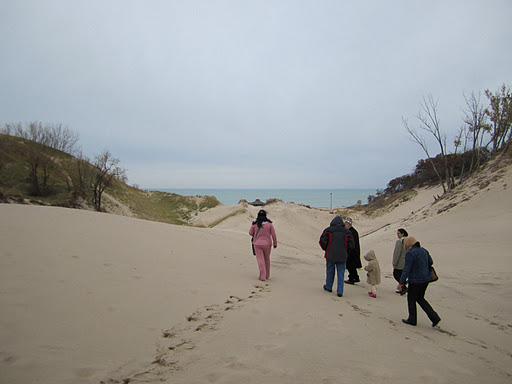
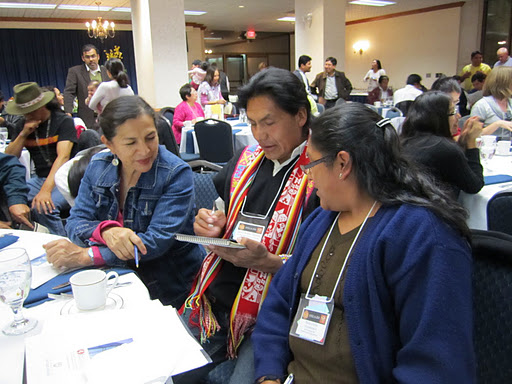
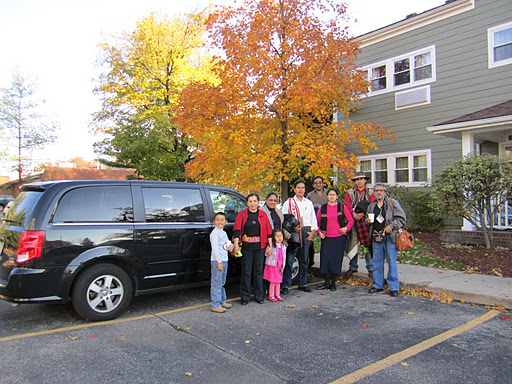
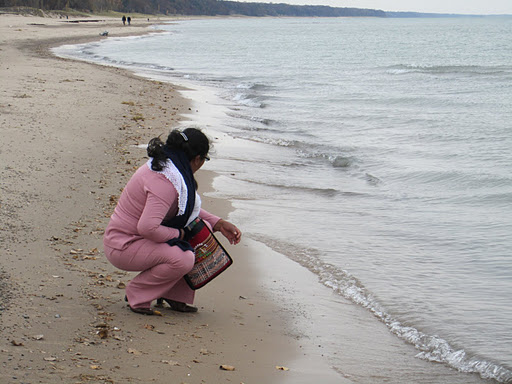
But the fun part was showing these folks some northern hospitality, the beautiful fall foliage, a bit of snow from the freak storm, some stunning parks and wooded places. And of course, our overabundant shopping malls and highways. We spent the first night near Warren Dunes State Park on the edge of Lake Michigan, then went to speak and listen at the University of Notre Dame in Indiana. The occasion was a Symposium on the Teaching and Learning of the Indigenous Languages of Latin America, and there were classroom teachers, endangered language specialists, curriculum developers, a handful of anthropologists and historians, all talking about supporting and learning from speakers of populous languages like Quechua and Maya, and languages with few remaining speakers, like Yurakeré.
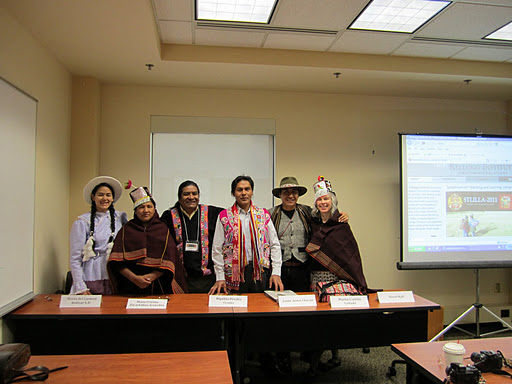
From Notre Dame, we went on to speak at Harvard School of Education, saw the curriculum kit room at the Boston Children’s Museum, and then to Rutgers University in New Jersey. Now we are back to our scattered places of work, hoping to keep the fires of collaboration burning via the internet and future joint projects.

Two weeks in Chuquisaca, and back


I have been way too busy to blog for some time; having left off just when things got exciting (around the time I embarked on the field portion of the research, in other words, my residence in a rural Quechua-speaking community.)
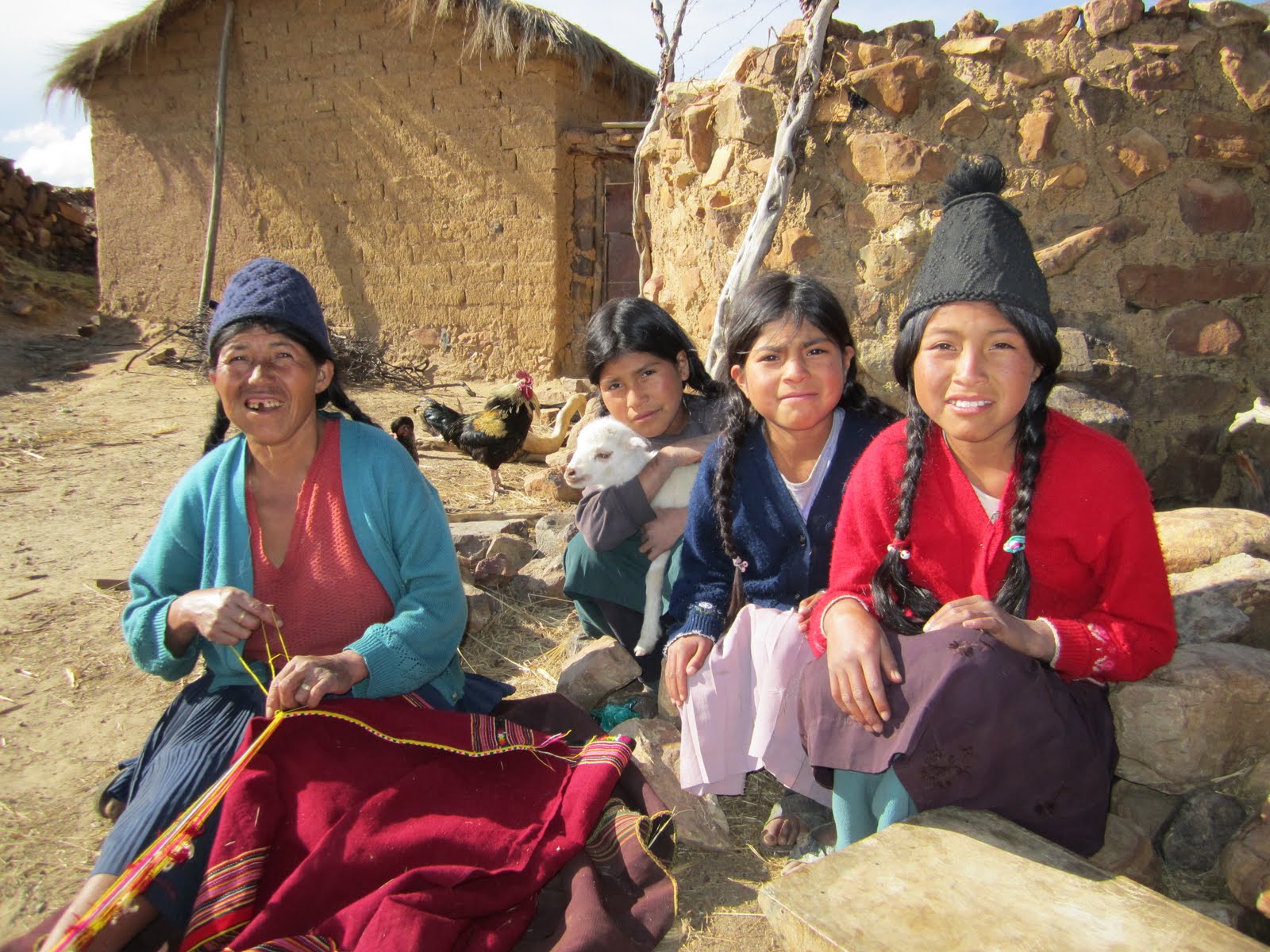
My two weeks in the countryside were intense and deeply tied to previous trips to the same area and to similar communities in Perú. It was particularly exciting this time to be working without partners from the city, finding myself face to face with the daily labors of old and new friends who spend their time cultivating and preparing food for themselves and for their sheep, goats, chickens, pigs, horses and cows. (Notice: no originally Andean animals in current cultivation in this region.)
I observed the results of rapid changes: in 2000 there was running tap water outside these homes but no outhouse or electricity. Now there are solar panels offering dim electric light and cellphone charges. Some homes have outhouses, though not the one I was staying at. But a big change this year is that almost every house in the community now sports a tin chimney and a more efficient square clay oven. This helps reduce the amount of wood burned and smoke inhaled on a daily basis.
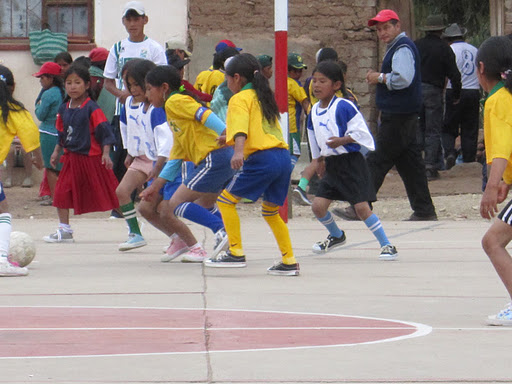
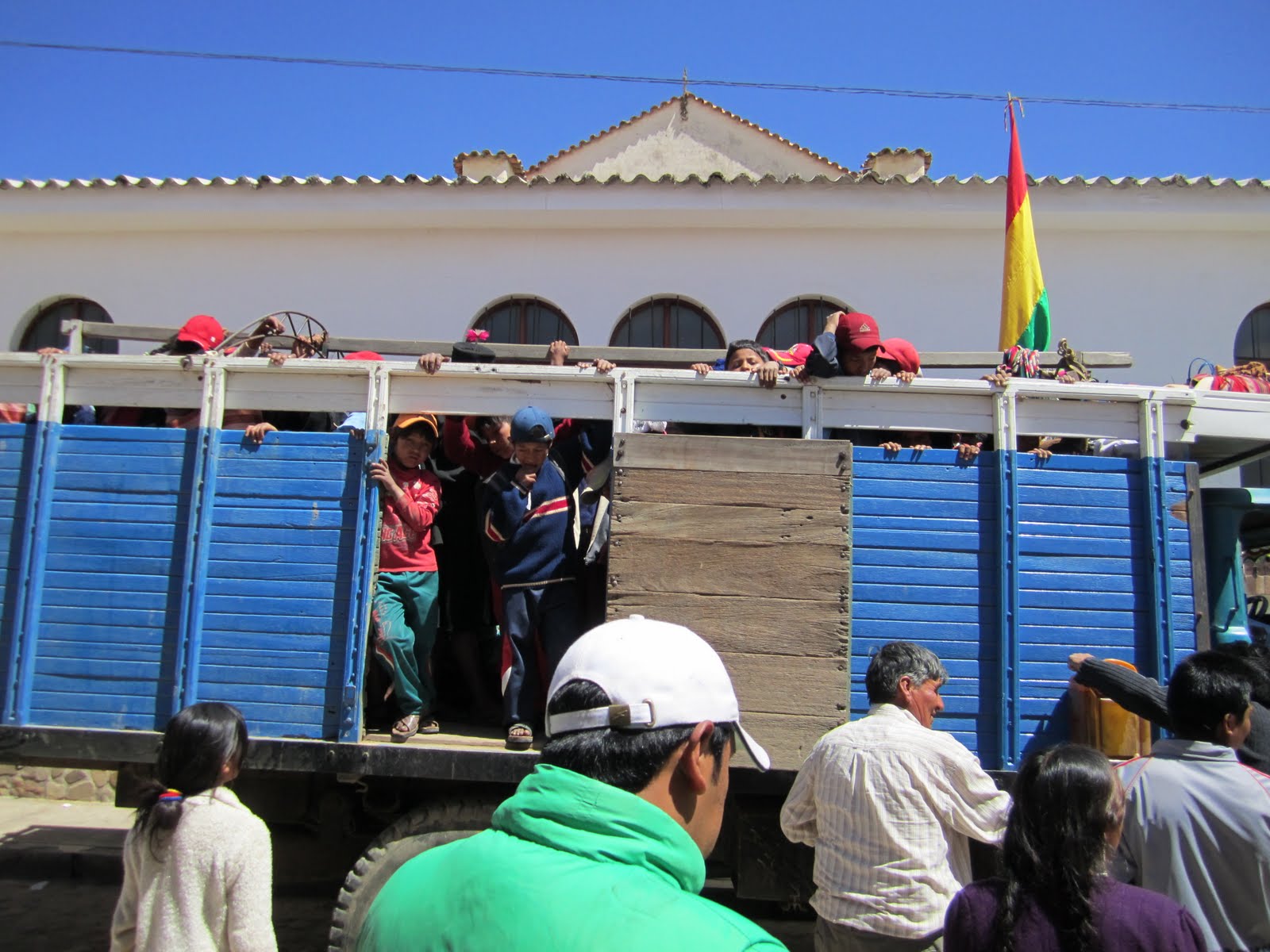
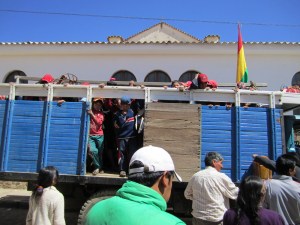
During my first week in the countryside I traveled with children and a handful of parents and teachers from the school to a ten-school reunion that lasted two days. In fact, my travel was in a jam-packed open livestock truck hired by parents from the next town, and there were eighty persons plus their bundles crammed in for the two-hour drive across the mountains to San José de Paredón.
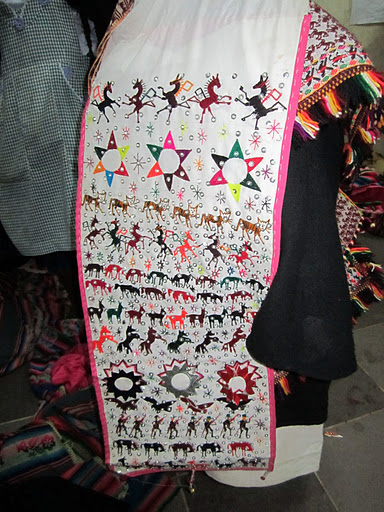
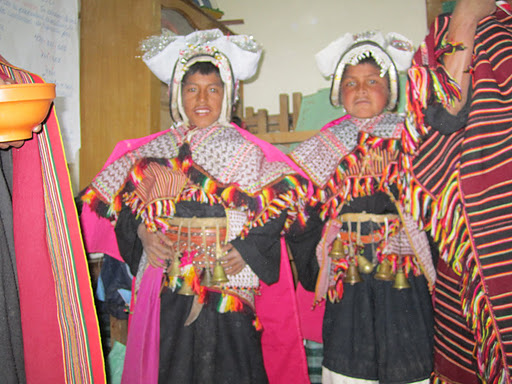
The event included soccer contests, an evening dance contest with tremendously complex costumes, and a schoolwork contest in which work was on display. It was a sort of dream-come-true for me to have children, parents, and teachers from ten local communities all in one place for two days. I could never have visited all the communities in the short time available to me, but in this context I was treated as an insider (or special, honored guest) by the community that was hosting me and I had the ability to photograph, tape, meet, and ask lots of questions in a context that is outside the everyday rhythm and yet very much inside the Andean tradition of inter-community encounters and festivals.
There is enough to write about concerning those two weeks to fill many, many pages. But instead, I will add some pictures here and tell about an encounter with someone here back in the city of Cochabamba.
One of the reasons I am here is to document an endangered language – but why is a language with over ten-million speakers endangered? The answer might be seen on a personal level multiplied many, many times in communities, towns and cities around the Andes.
First of all, there is no sixth grade being offered in the community of Qullakamani this year, because nearly all of the parents of sixth graders have decided to move their children to the nearest town (Tarabuco) to continue their education in the larger school there. This means, for many families, that children are living in town with scant or no adult supervision while parents remain on the farm during the week. Basic cleanliness and meal preparation is left in the hands of kids between the ages of ten and fifteen, many of whom seem anxious to get on with their lives and move to even bigger cities where their older siblings have found a way into the money economy. I won’t even begin to tell you some of the trouble these kids are getting into, starting with basic cleanliness and moving on to getting exploited in semi-legal activities. It may seem minor that in the towns, Quechua is used less and less, while Spanish is the power language.
But the moment that brought me to tears today was a conversation with a grown, professional man, native Quechua speaker, raised to adulthood by his parents, who holds an important job in the city involving Quechua. This man told me that he chose to teach his children Spanish before Quechua, because even today he has trouble distinguishing between the vowel sounds of Spanish (Quechua has fewer phonemic distinctions among vowels) and this makes him constantly insecure.
Another person, the head of a team of Bible translators working on a revised version of the Judeo-Christian scriptures for Bolivia, talked about the practical issues and choices facing his team. Since there is very little literature in Quechua, the Bible is an important source for literacy campaigns and in fact constitutes the first and only writing in an indigenous language that many of its speakers will ever see. As such, the Bolivian Bible Society used to supply a great deal of materials for national literacy programs, but these are currently being rejected, supposedly by the speakers of indigenous languages themselves. The head of the religious literacy program declined free materials in these languages because he said the speakers preferred to learn to read in Spanish; reading in their own language is “humiliating.” I heard this third hand from the Quechua-speaking Bible translator; I have heard it second hand from rural teachers; the story I have heard first hand from parents is: teach us and our children the language that will give them the most prestige and opportunities.
Why the tears?
As friends and family have pointed out, these are choices and losses made by many Europeans and others just a generation or two ago. Abandon what is perceived as ‘old country’ and adopt what is perceived as sophisticated. Learn the language that will keep food on your table.
The tears are for the loss to humankind of the rich, intimate knowledge of the earth encoded in the language and rituals of subsistence farmers.
The tears are for the next generation, who might not learn how to weave, but will know how to push buttons.
But let’s not end with tears. There are people across the spectrum who see the value of the Quechua language and the knowledge it embodies, and I am fortunate to work with them. Some of them will be coming north with me in just a couple of weeks.
Hiking to the Countryside

In the morning, I met with the assistant to the school district’s authority on education. I explained the history of our child language documentation project and that I would like to revisit the schools in the area to give community members and teachers the native language teaching materials we developed with Peruvian partners last year. The school authorities were friendly and signed a paper for me granting permission.
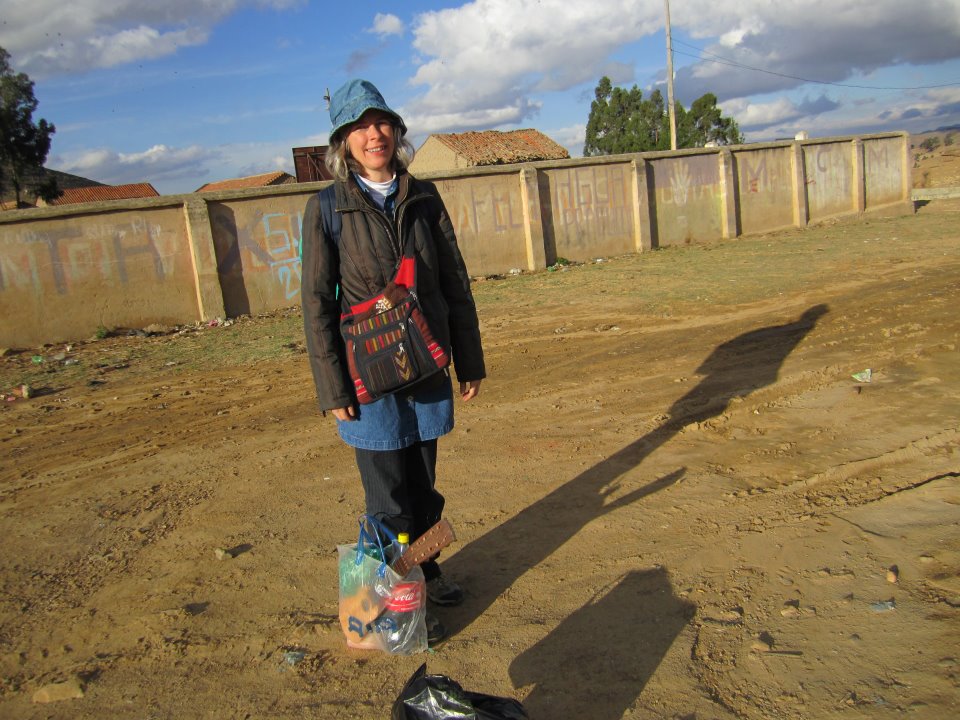
I got to hike over the mountains to the countryside again. Haven’t done this in eleven years. We were supposed to leave at 2 pm but Modesto was delayed and couldn’t leave his workshop. They kept asking if I wanted to hire a car, but I knew that would be expensive and would start us off with a precedent of perceived extravagance that would be hard to shake. Also, I wanted to see the breathtaking views again. We set out at 5 pm, carrying a couple of bags, a large coca cola for my stomach plus the charango and some pipes he is planning to use for irrigation. It was challenging to keep up with Modesto on these twisting desert roads up over a mountain pass where I could really feel my heartbeat and the wind was picking up. The road is unpaved and really hard for vehicles to pass on, although one or two do drive over it every couple of days. One of Modesto’s many jobs is to transport the male nurse who now works at the clinic in his community; he brings him back and forth to Tarabuco on the hospital’s motorcycle.
We chatted in my stilted Quechua and his more fluent Spanish all the way to the community; two of the hours in total darkness, but the road felt familiar.
I asked Modesto about the traditional medicine workshop. One of his civic responsibilities is currently to be president of a municipal association in Tarabuco; which involves hosting a lot of workshops. He says there is a new law which requires the integration of traditional medicine with Western practices. I asked if elders from the community were teaching traditional medicine, but he said no, it was specialists from Sucre. He said that it was a very positive trend however, and described an ailment of his eyes that the local doctor had been unable to treat with injections but was able to treat with herbs and minerals, to his great relief.
A few days later I met briefly with the young woman who is the new doctor in town. The clinic was built seven years ago and only got a solar panel for electricity two years ago. The doctor says they are unable to do anything requiring major electricity, referring most difficult cases to the hospital in Tarabuco. She said that it is very important for rural doctors to speak Quechua, and commented that Cuban doctors visiting in Tarabuco have been offering support to patients who cannot understand the instructions they are given for their medications.
Parked outside the clinic is a mobile dentist vehicle and I noticed that many people aged fifty and over were getting their teeth removed in this vehicle.

Twenty-four Hours in Tarabuco

I spent the next twenty-four hours hanging around with Modesto´s kids in Tarabuco. His wife and sister left almost immediately for the countryside after doing their marketing, and Modesto had work to do. The kids also disappeared off and on, so I went to spend time in the central plaza. At some point I recognized Lorenzo´s wife who was selling hamburgers and fries at a stand with her teenaged daughter, I had had lunch with her briefly in 2009 while trying to find a ride to get to the countryside.
She was very kind to offer me a free meal and a seat behind her hamburger stand, and I felt more like a guest than an alien for about an hour and a half.
I bought a charango (ten stringed Andean mandolin) thinking it would help pass the time socially, and it was a great hit with Modesto´s kids. We spent a lot of the evening taking turns passing it around and sharing strumming techniques. In between, his boys dove and jumped and chased each other around the large windowless room they all shared in town. They reminded me of kids everywhere – wiggling and chasing and making farting sounds when they got bored.
I had to resist the urge to protect them and keep them clean and safe (in my particular version of clean and safe.) They ran out to play in the rainy, muddy street with bicycle tires at around 8 pm. In my own childhood, kids ran around with great freedom; perhaps not to this degree, but a lot more freedom and lack of supervision than North American middle class kids enjoy today. I went to bed exhausted around 10 pm only to wake up and hear a young male voice around midnight; this young man hung out with the kids, chatting and whispering with the 15 year old girl until at least three am. Next day I asked who he was; the 15 year old said he is a cousin whose parents are away and have left him in town alone.

Twenty-four Hours in Tarabuco

I spent the next twenty-four hours hanging around with Modesto´s kids in Tarabuco. His wife and sister left almost immediately for the countryside after doing their marketing, and Modesto had work to do. The kids also disappeared off and on, so I went to spend time in the central plaza. At some point I recognized Lorenzo´s wife who was selling hamburgers and fries at a stand with her teenaged daughter, I had had lunch with her briefly in 2009 while trying to find a ride to get to the countryside.
She was very kind to offer me a free meal and a seat behind her hamburger stand, and I felt more like a guest than an alien for about an hour and a half.
I bought a charango (ten stringed Andean mandolin) thinking it would help pass the time socially, and it was a great hit with Modesto´s kids. We spent a lot of the evening taking turns passing it around and sharing strumming techniques. In between, his boys dove and jumped and chased each other around the large windowless room they all shared in town. They reminded me of kids everywhere – wiggling and chasing and making farting sounds when they got bored.
I had to resist the urge to protect them and keep them clean and safe (in my particular version of clean and safe.) They ran out to play in the rainy, muddy street with bicycle tires at around 8 pm. In my own childhood, kids ran around with great freedom; perhaps not to this degree, but a lot more freedom and lack of supervision than North American middle class kids enjoy today. I went to bed exhausted around 10 pm only to wake up and hear a young male voice around midnight; this young man hung out with the kids, chatting and whispering with the 15 year old girl until at least three am. Next day I asked who he was; the 15 year old said he is a cousin whose parents are away and have left him in town alone.

Pissing on Main Street

On my first visit to this region eleven years ago, I was given the name of a farmer (Lorenzo) from the countryside and instructed to take a small bus to the remote trading town of Tarabuco, where I would surely find him in the central plaza on a Sunday. From there, Lorenzo would take me hiking over the mountains to the community where I would do my research.
That´s why this time I felt no qualms traveling to the same small town to look for another farmer (Modesto) whom I had not been able to reach by phone. I knew he would most likely be in the town on Sunday, and that he would be waiting for my arrival, as prearranged by a mutual friend.
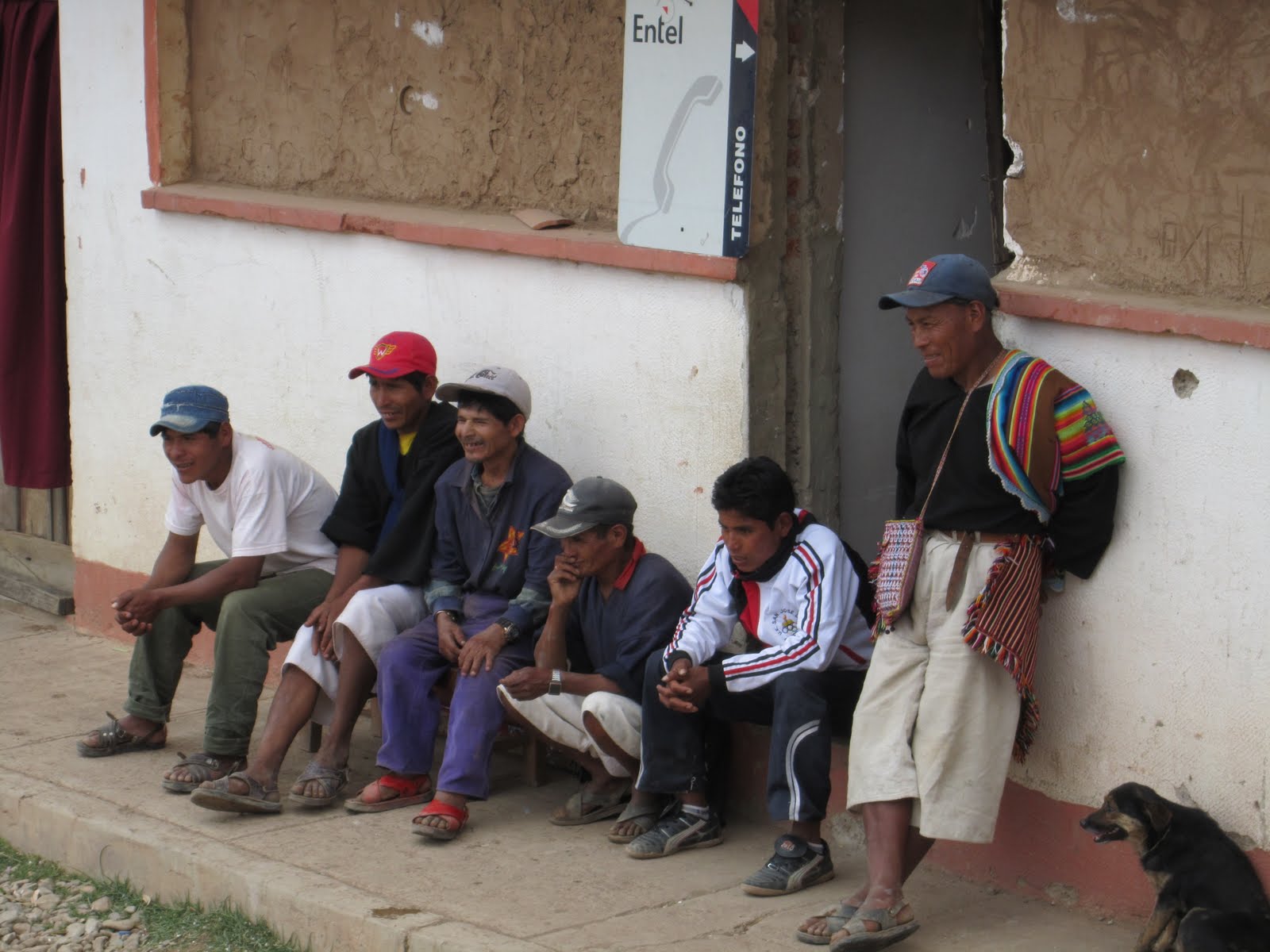
This time I was accompanied by a Bolivian teacher to the trading town. When we got to Tarabuco, we didn´t see my host in the square, so we walked down the main street toward the house where his father-in-law had been staying when we passed through two years ago. Sure enough, there were the farmer´s fifteen year old daughter and three younger siblings. Within a half hour, they had called their father on his cellphone and he had come over from the local hospital, where he was participating in a two day seminar on integrating traditional Andean healing practices with modern medicine. Three of his sisters also emerged.
It turns out that since 2009, the entire younger generation plus most of my generation has migrated to Tarabuco from the countryside, leaving only Modesto and his wife, plus a single sister and their mother, and one eleven year old daughter, back on the farm. Two grown siblings have married and moved to the cities of Santa Cruz and Buenos Aires. The fifteen year old daughter has dropped out of school and is in charge of caring for her siblings, ages 7, 9 and 11 in Tarabuco, mostly making sure they eat and get to school. I was told that the reason for this migration is schooling.
A parallel migration is happening among many families in rural Bolivia and Peru. Many communities only offer schooling through 6th (maximum 8th) grade. Kids are moving, younger and younger, to small towns and cities where they begin speaking only Spanish and participating in schools with more resources than they can find in the countryside.
My teacher friend made sure that I was in good hands with this family and that they would take me to the countryside after meeting with the local school authority in the morning to ask permission to enter the school. We spent a couple of hours shopping for food and traditional clothes in the markets around town, then my friend left. I made my way back to Modesto´s house and found the door locked, so stood waiting for awhile on the narrow sidewalk.
Then I saw her: a young woman in a skirt only a half block away, squatting to pee right on the sidewalk, and not avoiding my gaze. I have seen many folks peeing in Andean ditches and on trails, but never right on the sidewalk, and never being quite so indiscreet!
When I related this tale to my teacher friend back in the city, she and her husband laughed and said ´that´s our Andean culture!´ There is no collective shame among folks from the countryside about peeing in public, (although other streets in Tarabuco have signs forbidding the practice.)
On the other hand, lest these people seem entirely without a sense of manners or cleanliness: we went today to a public market in the big city of Sucre and found our way to the food stall area where my friend´s fifty-something niece has a tiny restaurant service. Everyone greeted each other with great formality, calling each other ‘aunt´and ‘uncle’, helping the niece serve her guests. We had a delicious two-course meal in one of the humblest looking places in the city and the diners were all incredibly gracious and formal with each other.

Fun at the FEL conference


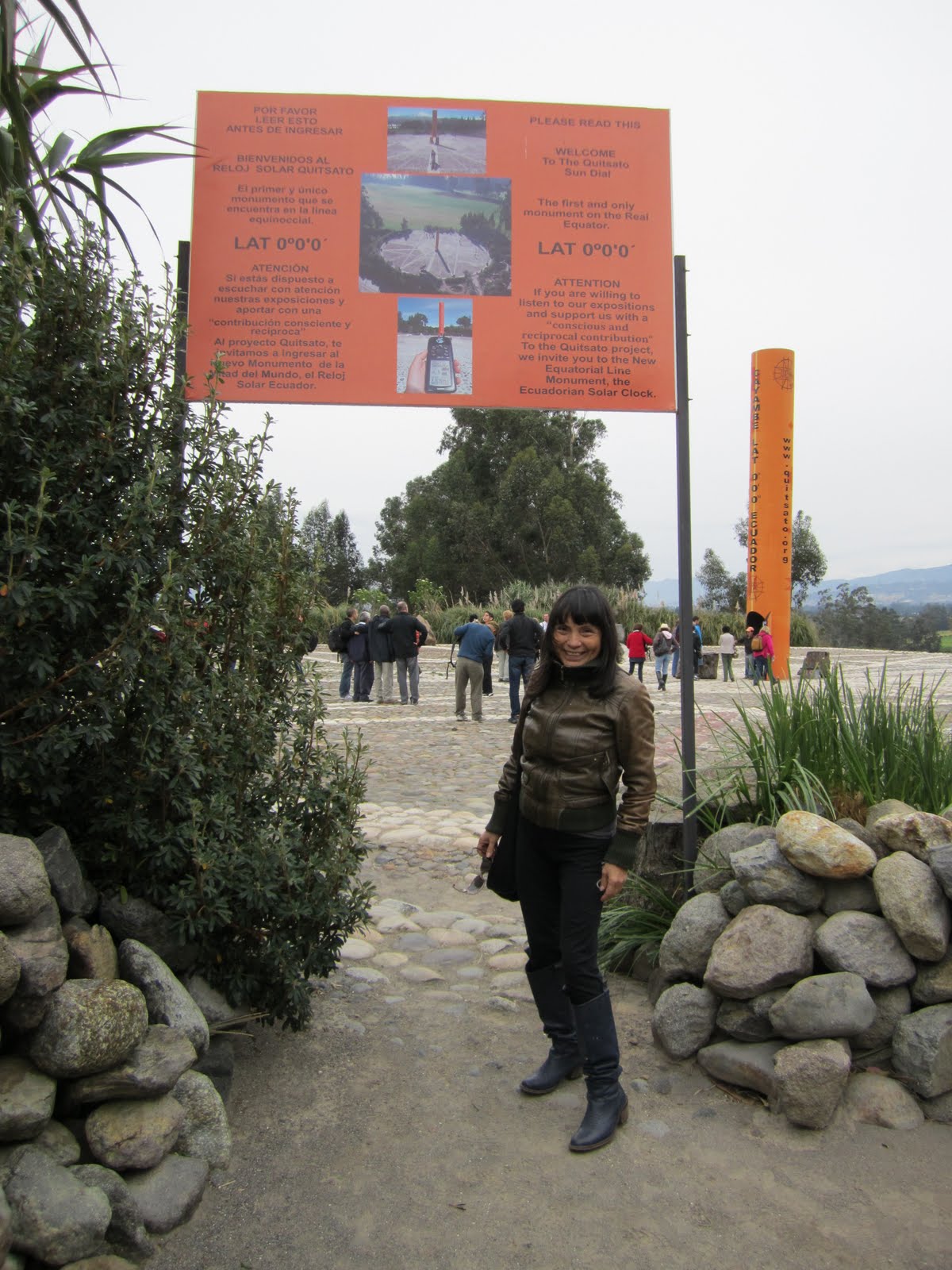
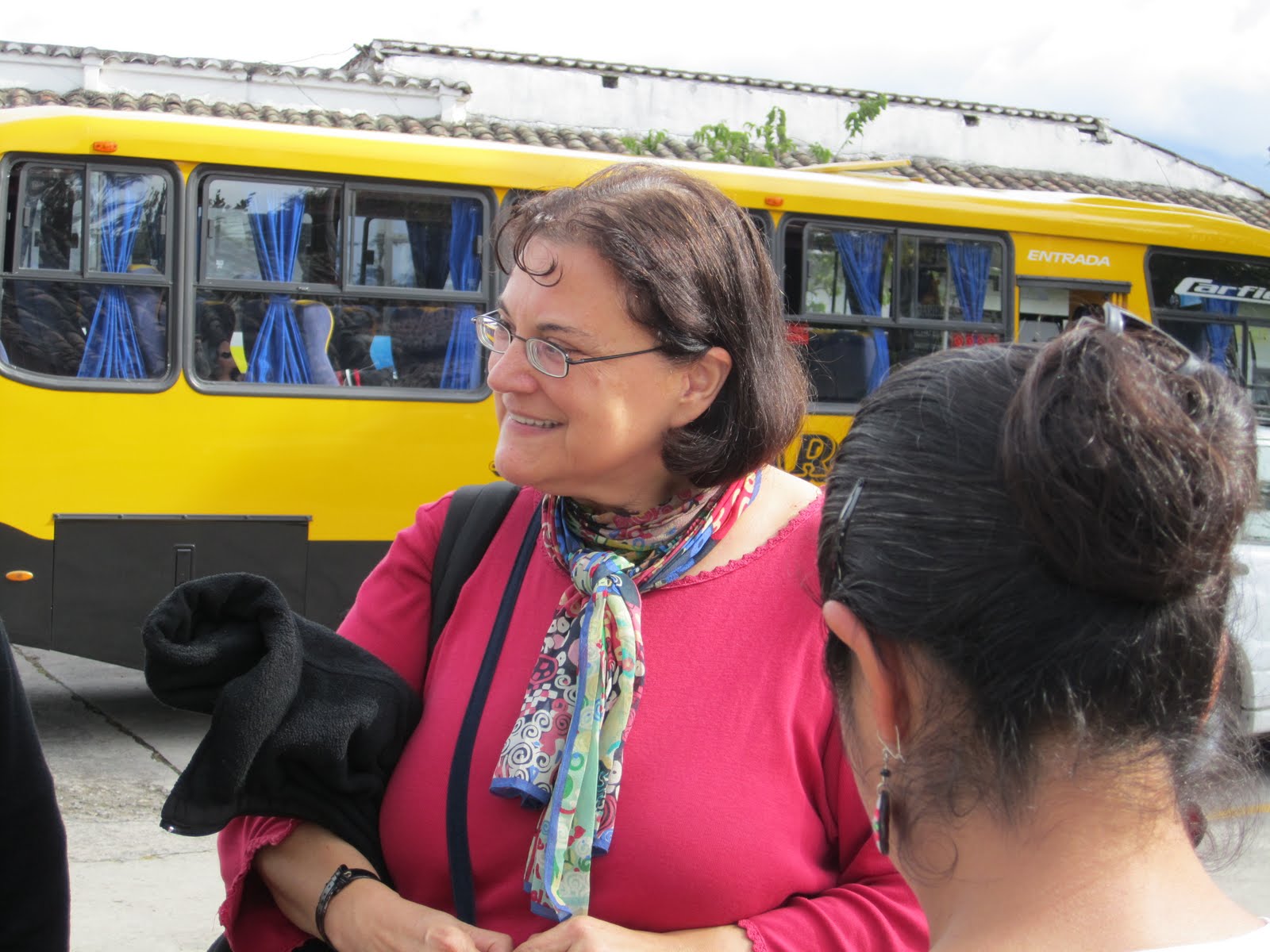
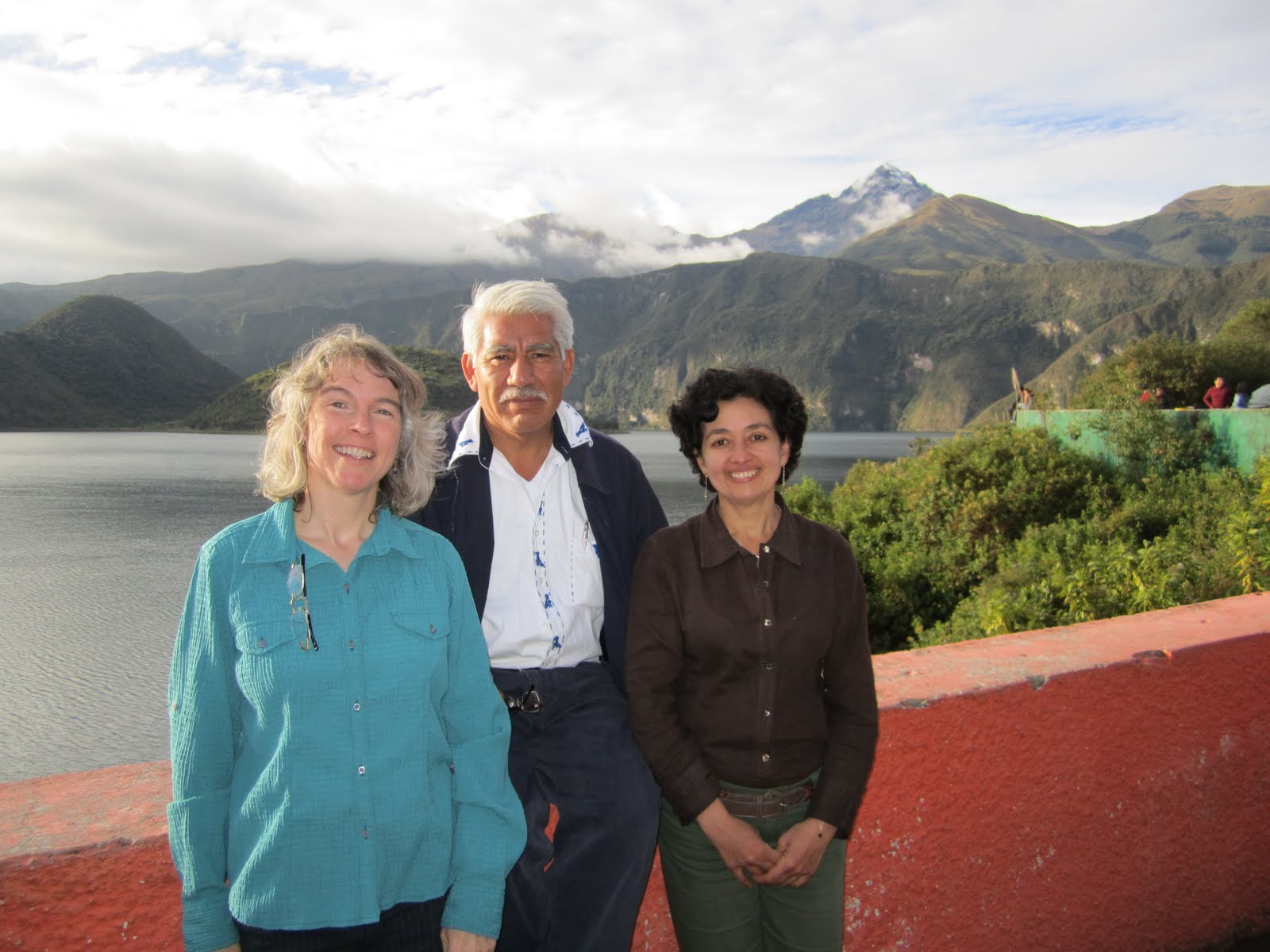
Here are some pictures of new friends from the Foundation for Endangered Languages conference in Ecuador; presenters of many nationalities spoke about their efforts to revive languages as diverse as Quichua, Shuar, Siona, Tunica-Tulane, Palenquero and coming all the way from Australia, Czeckoslovakia, Mexico, Colombia, Peru, Bolivia, Argentina, the US and of course, Ecuador.